
As the 2026 Formula 1 season approaches, drivers are preparing for cars with unprecedented complexity that will demand intense mental focus. The upcoming regulations introduce a radically new power unit design and chassis rules, significantly increasing the cognitive workload on drivers during races.
This 2026 Formula 1 car complexity centers around a power unit producing half of its power from electric components, supplemented by a 1.6-litre V6 internal combustion engine, marking one of the most substantial technical shifts in F1 history. Drivers and teams are already grappling with how these changes will influence performance and race dynamics.
Driver Workload and the Challenge of the Next-Gen Power Units
Carlos Sainz, a Williams driver, highlighted the mental challenge the new cars will pose, noting they will
“occupy a lot of brain space”
while on track. He drew parallels to the significant regulatory change between 2013 and 2014 when Formula 1 transitioned from V8 engines to V6 hybrid power units, which initially overwhelmed drivers with new systems like battery management but eventually became routine.
Sainz expects that next year’s cars will trigger a similar adaptation process. Early races will feature drivers struggling to understand the intricate details of the car’s behavior, frequently encountering unexpected changes every lap. However, as the season progresses, drivers will acclimate to the new normal, though whether this will enhance racing remains uncertain.
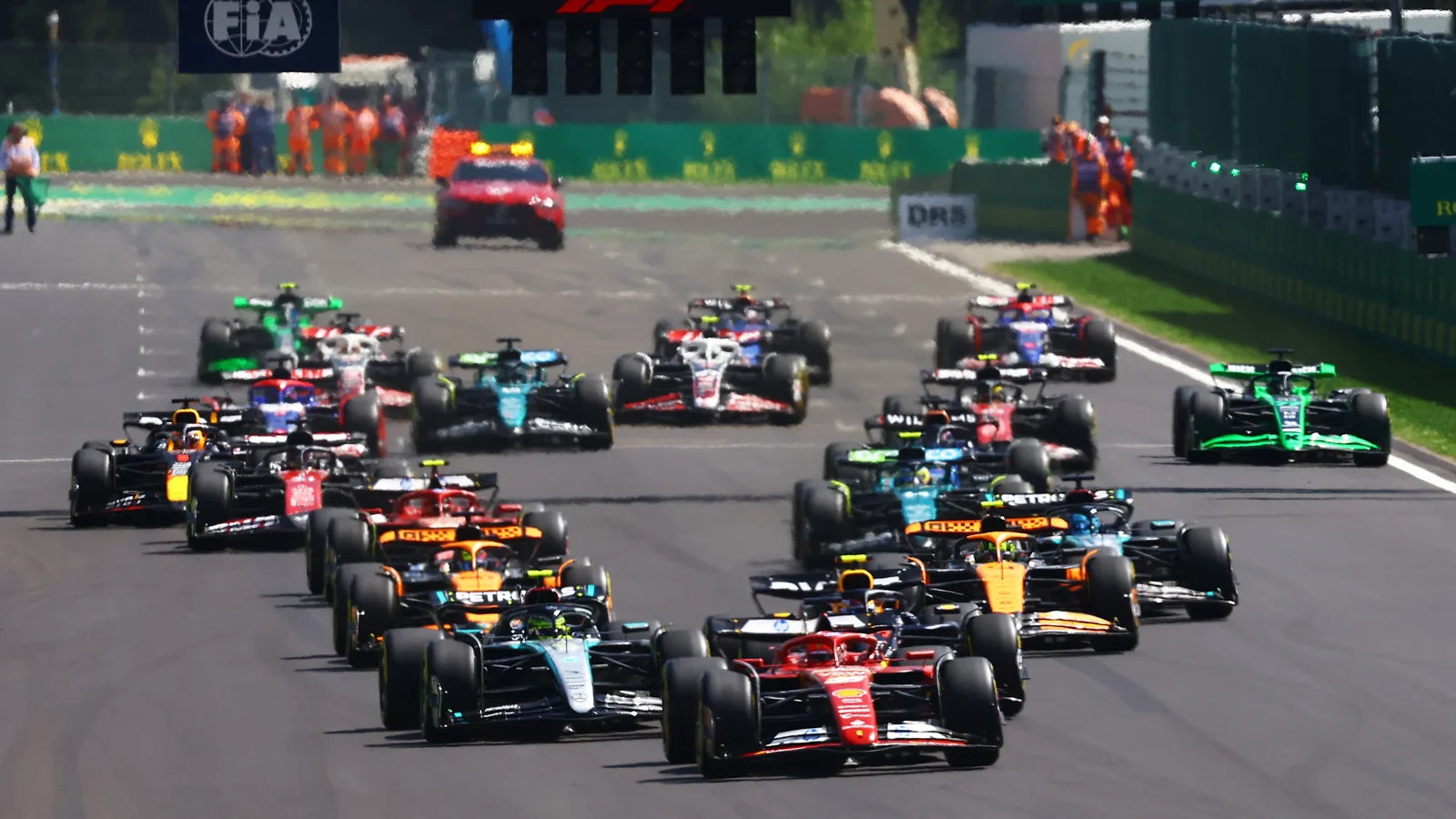
“But as drivers we will just adapt to whatever they give us. We will just go as fast as we can if we have to do six or seven switch changes through the lap, we will do them and we will just become good at it like we always do,”
Sainz said.
Adjusting to the New Driving Style and Power Unit Management
Williams’ Alex Albon shared Sainz’s views, emphasizing the intellectual demands of mastering the 2026 cars. He remarked,
“It’s difficult to drive. The load on the driver mentally is high as well,”
underscoring how vital it is to learn a new approach to throttle control and energy deployment to exploit the power unit’s full potential.
Albon explained that drivers will need to manage the hybrid system effectively, striking a balance between performance and conservation of electric energy throughout the lap. Although he wasn’t shocked by the performance capabilities of the cars, adapting to the power unit’s characteristics has been a steep learning curve.
“It was more just getting my head around the PU and understanding how to make the most of that,”
he said.
Concerns Over Hybrid Energy Usage and Race Impact
One of the major concerns for teams is the limited hybrid energy available on long straights, which could force excessive lifting and coasting, potentially reducing racing excitement. Albon expressed a desire for quality racing above all else but remains unsure if the new power units will significantly change race dynamics.
“In the end I just want good racing,”
Albon stated.
“We all just want good racing. I’m not sure the speeds of the cars or the way that they’re driven is going to change too much.
Despite worries, he does not believe the sport will move towards Formula E-like racing with frequent lift-and-coast periods. Instead, he anticipates the driving style adjustments required will be subtle yet important.
The Importance of Adaptability and Intelligence Behind the Wheel
Albon highlighted that drivers with the ability to rapidly learn and intelligently manage the new systems will have a distinct advantage next season. Success will depend less on raw cornering skill alone and more on understanding and maximizing the complex power unit capabilities.
“A driver who’s quite smart and can understand the system and abuse the system, to understand how it works and becomes efficient on it, they’re going to find performance in that as well,”
Albon said.
He stressed that the complete package of car control, power unit management, and race strategy will demand a more open-minded and adaptable mindset than ever before in F1.
Looking Ahead to a New Era of Driving Demands
The move to 2026 technical regulations represents a pivotal moment in Formula 1, ushering in vehicles that are vastly more sophisticated and challenging to operate. Drivers like Carlos Sainz and Alex Albon are already preparing mentally for the steep learning curve, aware that mastering these machines will require more than speed—it will necessitate technical acumen and mental endurance.
This evolution could transform racing strategies and driver skill sets, marking a new chapter in motorsport history. How this complexity will influence competition and fan experience remains to be seen, but adaptation will be crucial for those aiming to excel in the next generation of Formula 1 cars.
