
The 2026 MotoGP world champions grid will make history on March 1 when 15 full-time riders who have clinched world championship titles compete together at the season opener in Buriram, Thailand. This remarkable assembly brings the total number of world crowns on the starting line to a record-breaking 32, reshaping the landscape of the current premier-class competition.
An Unprecedented Gathering of Champions
The motorcycle world championship, which began in 1949, has never before witnessed such a concentration of world champions on the MotoGP grid. Previous eras, including the 500cc bike period, peaked at 10 world champions present at the same time. Even after MotoGP replaced the two-stroke era in 2002, the debut four-stroke race featured only seven reigning champions—including icons like Valentino Rossi, Loris Capirossi, Max Biaggi, and American rider Kenny Roberts.
As the sport evolved, new talent brought their own credentials. Notable arrivals like Dani Pedrosa and Jorge Lorenzo, both having conquered intermediate class championships, joined soon-to-be MotoGP champion Casey Stoner, bringing the total to 12 world champions by 2010. That growth persisted. Andrea Dovizioso, Nicky Hayden, Marco Simoncelli, Alvaro Bautista, and World Superbike titleholder Ben Spies all featured in this influential group, further demonstrating the depth of talent entered into premier-class competition.
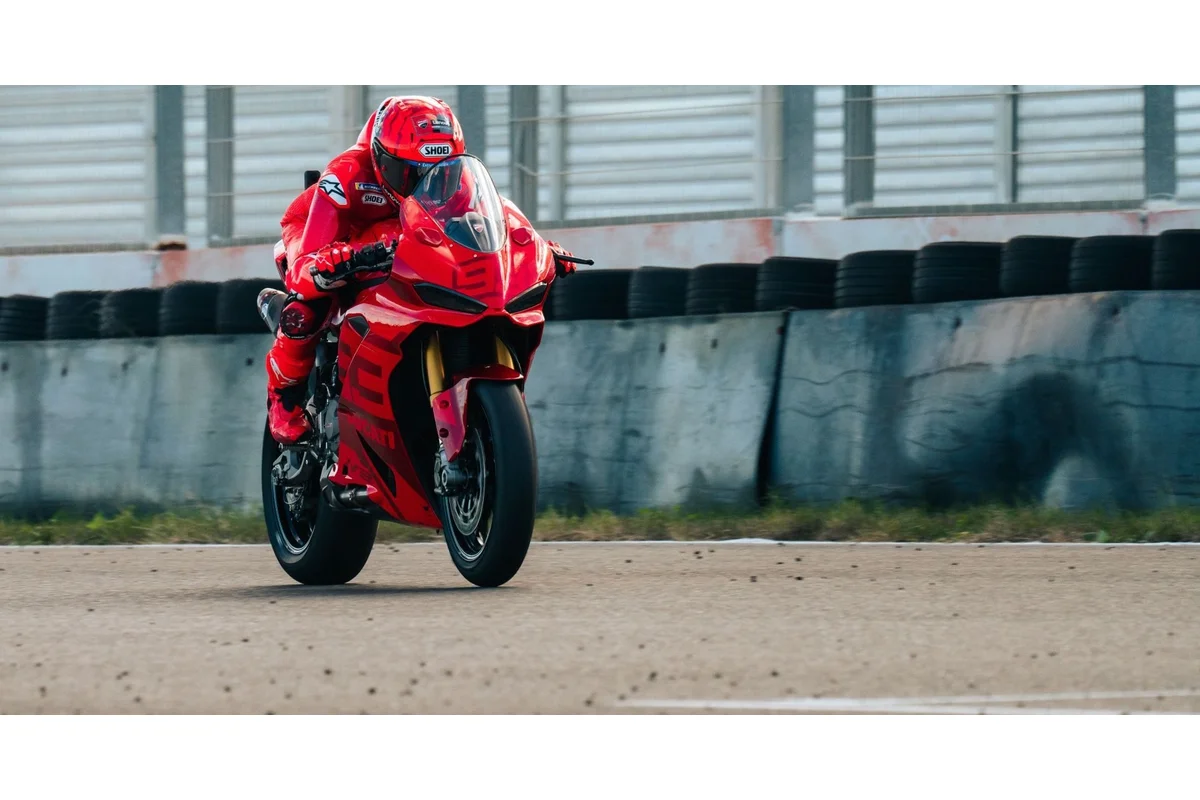
In the following years, the presence of champions on the grid remained strong, not falling below 10. By 2021, there were 13 world champions competing at once, which increased to 14 in 2022—a mark that, up until now, had not been surpassed despite the presence of wildcards and replacement riders such as Pol Espargaro or Augusto Fernandez. Although 15 different champions participated in races last year, no single grand prix featured all of them together.
Which Riders Compose the Historic 2026 Grid?
The 2026 season’s dramatic increase is due to the mix of experienced champions and new arrivals with a background in various motorcycle racing classes. Marc Marquez, the standout figure among champions, enters the season defending his ninth world title and his seventh MotoGP championship. His teammate, Francesco Bagnaia, arrives with two premier-class crowns plus an earlier Moto2 victory. Joining them is Toprak Razgatlioglu of Turkey, who is set to compete in MotoGP after securing three World Superbike Championship titles.
Other premier-class world champions set to race in 2026 are Joan Mir, who took the 2020 crown; Fabio Quartararo, the 2021 champion; and Jorge Martin, who claimed the world title in 2024. Both Joan Mir and Jorge Martin also hold Moto3 world championship victories to their names, highlighting their versatility across motorcycle racing’s different divisions.
The rest of the grid is filled out by accomplished competitors with world championship wins in intermediate or lightweight classes: Johann Zarco, Alex Marquez, Pedro Acosta, Franco Morbidelli, Enea Bastianini, Ai Ogura, Maverick Vinales, Brad Binder, and the promising new rookie Diogo Moreira. Their success illustrates the importance of progression through the ranks as preparation for MotoGP’s top step.
Adding further depth, several test and development riders will be present on the sidelines with world championship histories, such as Pol Espargaro (KTM), Augusto Fernandez (Yamaha), 2011 Moto2 champion Stefan Bradl (Honda), and Spanish three-time world champion Dani Pedrosa (KTM). These names provide additional experience and could, depending on injury or team need, bolster the list of champions participating in races throughout the year.
Significance of the Record-Breaking Grid
The gathering of 15 champions, should all remain healthy and eligible, is set to take place at the season-opening race on March 1 in Buriram, Thailand. This marks a new milestone for the 2026 MotoGP world champions grid, emphasizing both talent density and the pronounced pathways for riders progressing through global and regional motorcycle championships. Not only does this historic number of world champions on a single grid reflect the enduring strength of MotoGP as the sport’s highest level, but it also sets up fans and competitors for a season where experience, legacy, and championship-winning pedigree will be central to the championship battle across each race.
