
The 2026 MotoGP transitional season is set to become a pivotal chapter for teams and riders as Ducati’s ongoing dominance meets an approaching sea change in technical regulations. With revised rules entering effect in 2027 and engine development frozen a year early, the coming season is defined by uncertainty, strategic recalibration, and high expectations at the highest level of motorcycle racing.
Ducati’s Reign and a Shifting Landscape
Since 2022, Ducati has established itself as the unrivaled force in MotoGP, securing four consecutive world titles and consistently outperforming the competition under current regulations. Their supremacy has set the benchmark, but with 2027 introducing 850cc machines and significant aerodynamic updates, the established hierarchy faces imminent upheaval. Manufacturers and teams that have struggled to unseat Ducati so far anticipate that the forthcoming changes will reset the order and allow new contenders to emerge at the front.
Approaching 2026: Teams Target the Future
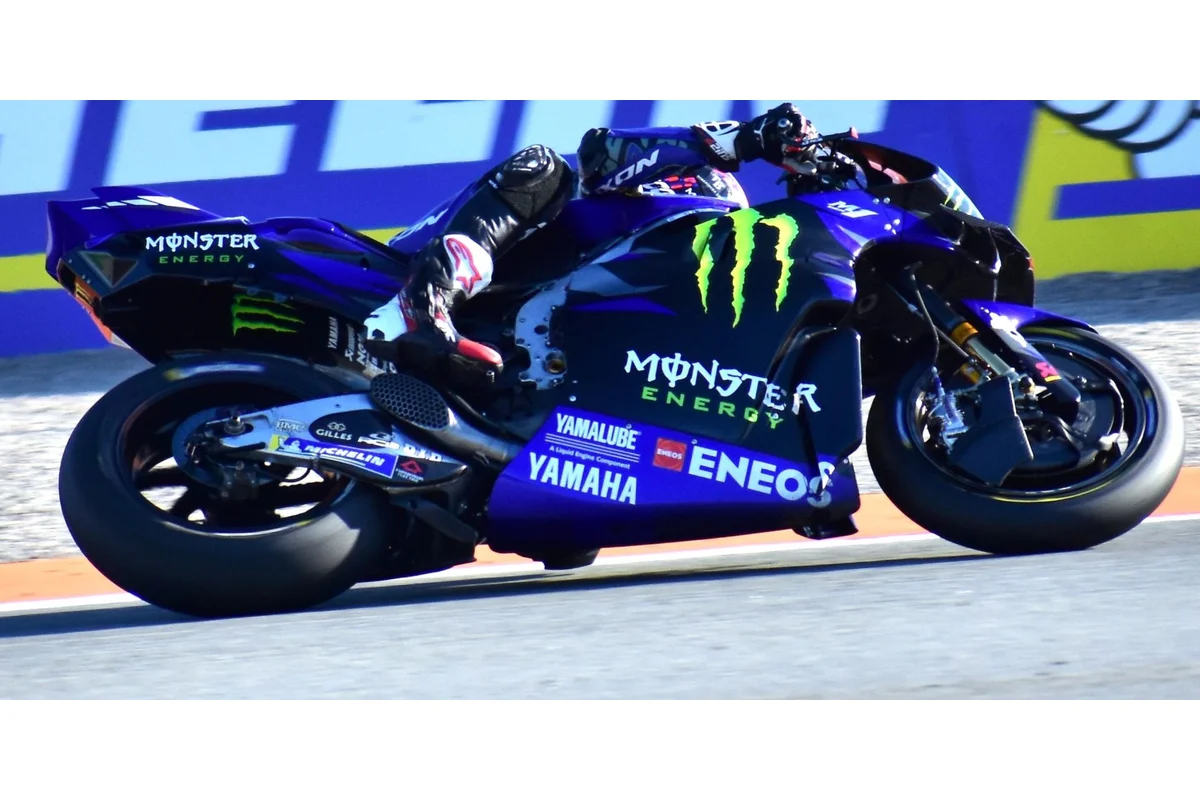
The sense among major manufacturers is that 2026 will serve as a provisional period, a necessary adjustment phase before the dawn of new technical rules. Aprilia, despite coming closest to Ducati in both results and performance, remains a step behind. Other brands, such as KTM, have moved past recent financial instability and are now seeking stability and competitiveness on the track. Honda aims to build on its signs of recovery shown last season, hoping to convert momentum into consistent points. Yamaha is relying heavily on recent investments, looking for signs that its revitalized effort might finally bring an upturn in fortunes as the next regulatory era approaches.
Frozen Engine Development and New Priorities
The 2026 MotoGP transitional season presents a unique technical environment. Engine development will be locked from the start of 2025, which eliminates the possibility of mid-season progress on one of the sport’s most challenging components. In response, teams are adjusting their upgrade strategies, concentrating resources on early-season improvements. Plans for bike developments now differ far from what was standard in recent years, as the looming prospect of 2027 changes overshadows short-term priorities.
The schedule for introducing updates to bikes is changing as well. As one experienced voice from inside the paddock explained,
Before the summer break — scheduled for July — I will already be focusing exclusively on the 2027 bike,
admitted Aleix Espargaro, Honda test rider. This reflects the broader trend for teams to gradually direct their efforts toward next-generation machinery even as the current championship plays out.
Tyre Shakeup and Supplier Exit Loom
Tires are another area marked for transition in 2026. With Michelin set to leave MotoGP after the season, Pirelli will take over as exclusive supplier in 2027. Michelin’s final year will see a reduction of available front tire specifications from three options to two, and a halt to further development on its compounds. This stability in tire specs means teams will adapt their strategies around a more predictable—yet limited—set of variables just as they brace for broader upheaval the following year.
Rider Market Pressure and Contract Dynamics
The shifting priorities are also felt off the track, as the top teams work to secure or attract key riders before the next wave of changes. Yamaha, KTM, and Honda in particular all feel pressure to convince their lead talents to stay. The Iwata-based team is eager to renew Fabio Quartararo’s contract, which expires at the end of 2026. Patience appears to be wearing thin for ‘El Diablo,’ who awaits a turnaround in Yamaha’s performance to justify a continued partnership rather than seeking opportunities elsewhere.
KTM faces similar concerns with Pedro Acosta, whose contract officially runs through 2026. The Spanish rider mulled an early departure at the end of 2025, but negotiations never materialized. Ducati and Honda are known to be pursuing Acosta, leaving KTM with little margin for error; their hopes rest on producing a competitive machine before the championship’s opening round in Thailand, as Acosta is intent on finalizing his future ahead of the new season.
Honda, too, is in the spotlight after delivering improved results relative to 2024—achieving a 25% increase in points. Whether this signals a sustained turnaround remains to be seen, with the coming months poised to offer clarity. When asked about expectations for change during this transitional year, a Honda executive remained realistic:
No one should expect the picture to be very different this year, because things will be more or less the same as in the past,
a Honda executive told Motorsport.com.
Developments Across the Grid
Yamaha has already initiated a restructuring of its MotoGP division and brought back a satellite team in hopes of triggering on-track improvements. The split focus was evident last season, as Yamaha juggled the M1’s inline four-cylinder motor while developing a V4 concurrently, with Augusto Fernandez even competing on the new platform at select events. Yet meaningful progress remains elusive for the Japanese manufacturer.
At Aprilia, performance is expected to be in line with 2025 results, unless lead rider Jorge Martin can capitalize on a fresh start in his second contract year following a challenging debut season. Parent company Piaggio faces mounting pressure to approve additional funding as the new rules approach, making it a critical and uncertain time for further development of the RS-GP program. Over the course of a full championship, Aprilia’s bike still trails Ducati’s Desmosedici in key statistics despite ongoing improvements.
Significance and Uncertainty Heading into 2027
No team or rider has publicly declared an all-in focus on the 2027 regulations, but the strategic reality is evident. Many participants are devoting increasing attention and resources to future projects, even as the 2026 title fight looms. The overlapping efforts of manufacturers, engineers, and executives reflect a championship at a crossroads, where the present is informed by the anticipation of sweeping regulatory change and the competitive unpredictability it promises to bring. Rider movements, technical freezes, and shifting team dynamics all point to 2026 as a unique staging ground—one that will shape MotoGP’s next era.
