
NASCAR has taken significant steps to renew excitement in the sport by changing up its traditional race schedule, a shift that has been welcomed by drivers like Alex Bowman. The integration of new venues and historic tracks aims to offer a fresh experience for fans and competitors alike, with Bowman specifically highlighting the benefits of NASCAR’s new track schedule.
In recent years, NASCAR teams and officials have actively worked to introduce diversity into the Cup Series, partly through recruiting international talent with Trackhouse Racing’s efforts. However, a key part of the transformation involves rotating race tracks to move away from routinely racing on the same circuits year after year. This shift is designed to keep the sport engaging and broaden its appeal geographically and competitively.
Speaking on the podcast Chasing Checkers with Chase McCabe, Bowman expressed his approval of the revised schedule.
I think that’s a really good thing. I think our schedule was the same for so long that I guess you could say it got a little bit stale. So, I think just continuing to change it up, go to new places, kind of rearrange it a little bit, I think it’s a really good thing.
—Alex Bowman, NASCAR Driver
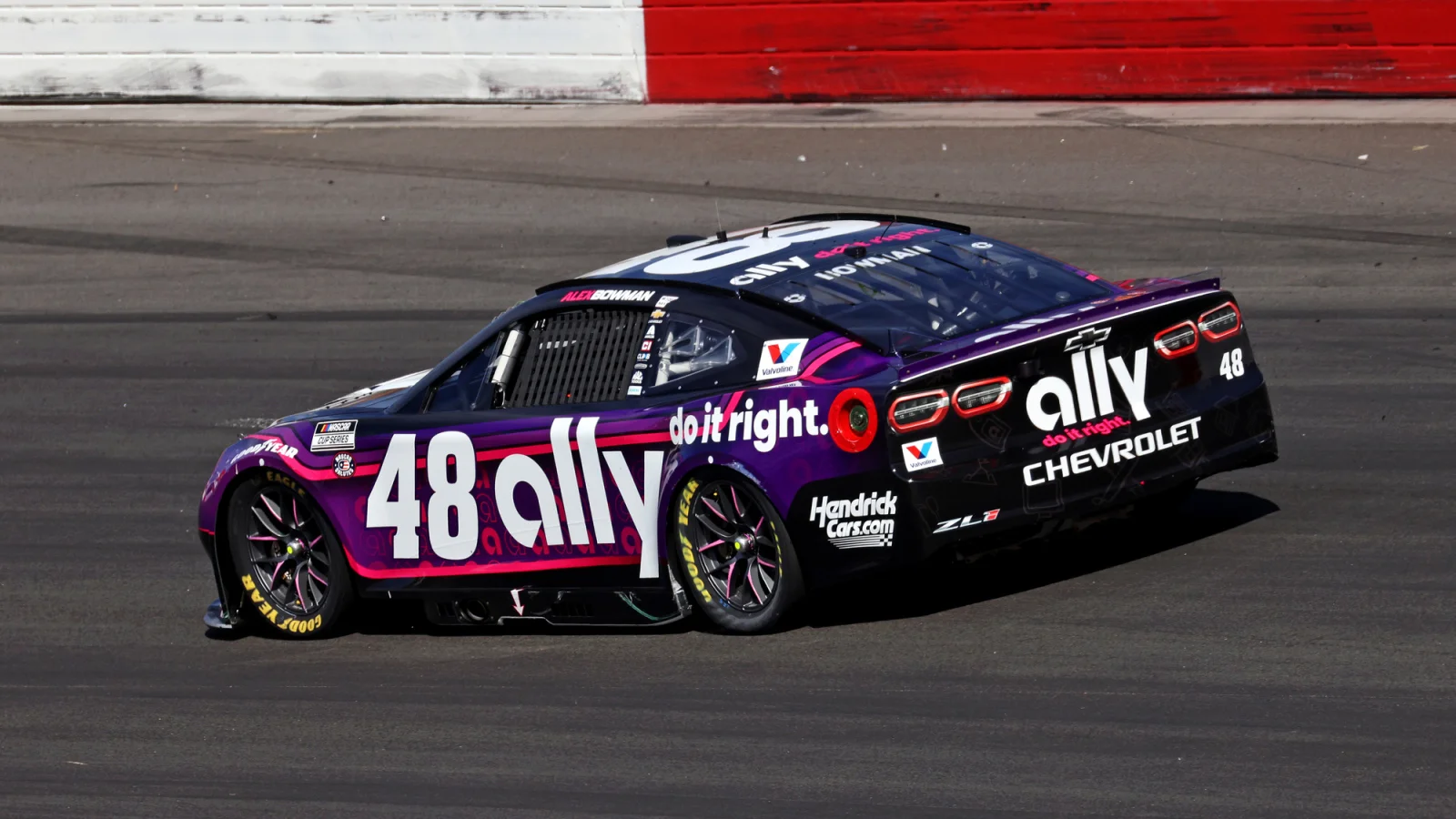
He continued by advocating for expanding the schedule further to include more new locations.
Hopefully, we continue to add more new places going forward. I think that’s important for our sport to go to new places and not go to the same 15 tracks twice a year forever, right? Like we want to go to different places and kind of change it up. There’s so many great racetracks in the country and around the world. So, there’s definitely a lot of cool places that we can go race.
—Alex Bowman, NASCAR Driver
Recent Innovations: New Tracks and International Expansion
NASCAR’s experimentation with new race venues began to gain noticeable momentum in 2023, marked by the debut of the Chicago Street Race. This event attracted a large viewership and introduced road course specialist Shane van Gisbergen to the series, highlighting NASCAR’s openness to diverse racing styles. Following this success, NASCAR extended its footprint internationally by hosting a race in Mexico City for the first time in over sixty years. This event was well-received, drawing strong crowd numbers and validating NASCAR’s forward-thinking approach to scheduling and expanding its market.
Looking Ahead: Potential New Venues in Urban Centers
Building on these successes, NASCAR is now exploring further opportunities to innovate its schedule. Attention has turned toward urban locations that offer unique challenges and the potential to attract new fans. One such target is Franklin Field in Philadelphia, a historic stadium dating back to the 19th century and known as the oldest active college football venue in the United States. NASCAR President Steve O’Donnell acknowledged that while discussions are still preliminary, Franklin Field’s layout appears promising for hosting a temporary street-style race.
O’Donnell noted,
Pocono has delivered for us in terms of fans, but when you look at opportunities, one of the places we looked was Franklin Field.
—Steve O’Donnell, NASCAR President
The urban setting and flexible configuration are critical factors in NASCAR’s considerations, as the sport seeks venues that can support quick construction and dismantling of tracks with minimal disruption. Franklin Field fits this vision, combining a historic backdrop with the practicality needed for modern racing events.
Southern California’s Return to the NASCAR Map
Besides Philadelphia, NASCAR is actively pursuing the addition of a street course in the San Diego area for the following season. This move aims to reintroduce NASCAR to Southern California’s fanbase after a period without points-paying events. The closure of California Speedway in Fontana last year marked the end of an era, but renewed interest in the region is strong. Additionally, NASCAR’s recent exhibition races inside the Los Angeles Memorial Coliseum, which concluded in 2024, demonstrated ongoing enthusiasm for local racing.
Restoring a competitive event in Southern California would not only reconnect NASCAR with a vital market but also provide fresh excitement within the sport’s garage and industry as a whole. The introduction of a street course in the San Diego vicinity represents a strategic step toward expanding NASCAR’s presence on the West Coast.
Implications for NASCAR’s Future
The deliberate reshuffling and expansion of NASCAR’s race schedule aim to revitalize the sport by capturing new audiences and challenging drivers with different racing environments. For athletes like Alex Bowman, the evolving lineup renews motivation and helps prevent repetitive routines. As NASCAR pursues innovative venues such as urban stadiums and street circuits, it signals a commitment to growth and adaptability in a changing sports landscape.
If the plans for Philadelphia and Southern California materialize, fans can expect a more dynamic and diverse series of races that blend tradition with modern, high-energy experiences. This evolution reflects NASCAR’s broader strategy to remain relevant and compelling while honoring its heritage and competitive spirit.
