
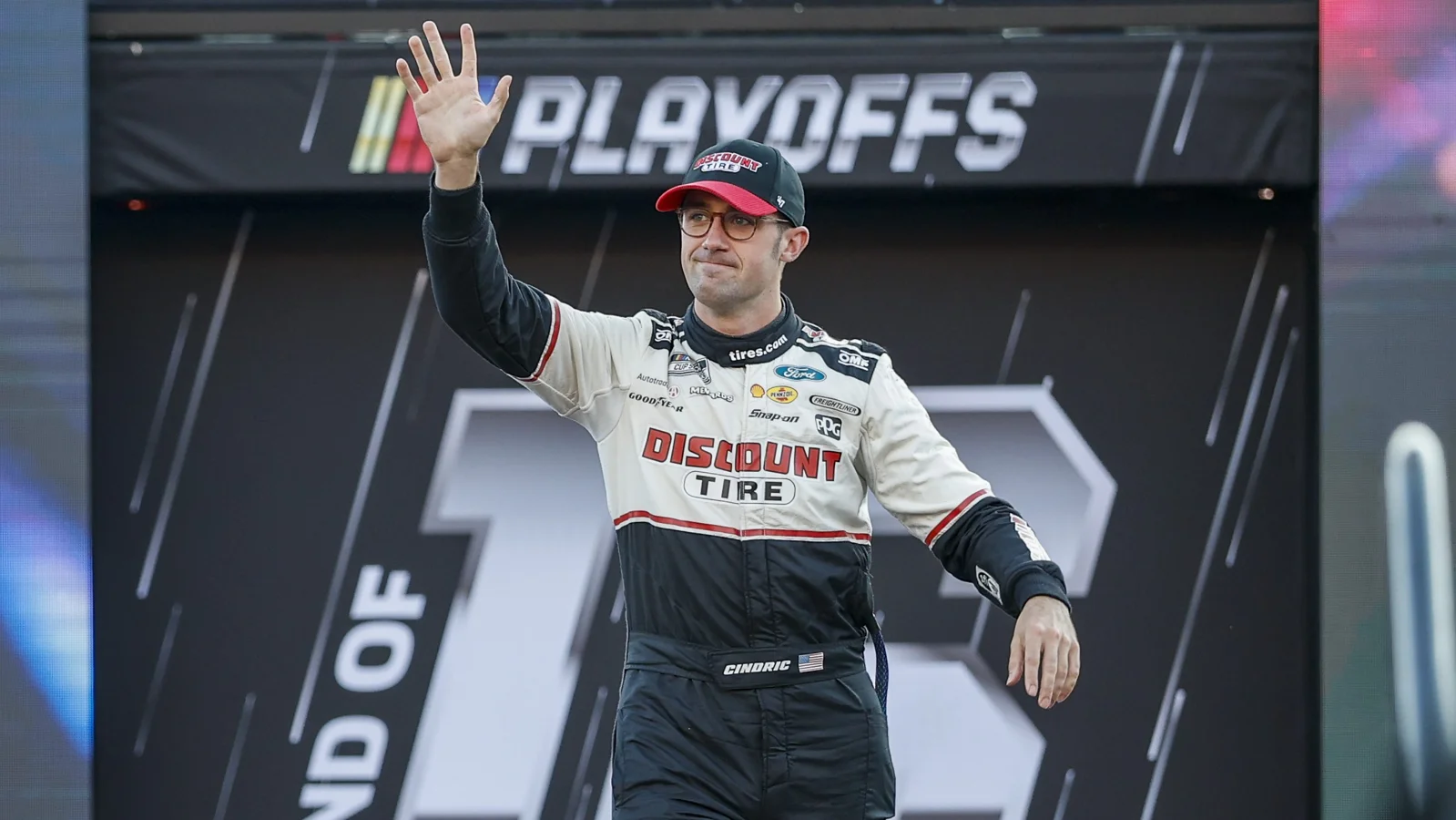
Austin Cindric faced a challenging night at Bristol Motor Speedway during the Bass Pro Shops Night race, but thanks to the meticulous work of his Austin Cindric Team Penske crew, he remains a strong contender moving into the Round of 12 in the NASCAR playoffs. Despite finishing 30th, Cindric entered the race with an 11-point cushion and managed to hold onto his playoff position through a difficult contest on the unpredictable short track.
Cindric’s advantage allowed some margin for error, but the team’s ability to adapt to unexpected tire wear as the track conditions changed was critical. The cooling temperatures increased tire degradation beyond their initial predictions, but the squad’s calm, precise response kept the driver competitive enough to advance in the postseason. Austin expressed deep appreciation for his team’s efforts after the race.
“I think preparation and the process with our group is second to none, and I take a lot of pride in that. So, yeah, just proud of the total team effort to be able to bring this into the next round.” Austin Cindric said via FanBuzz.
Spotter Doug Campbell played a crucial role during the race, providing strategic updates about other drivers experiencing grip loss. This guidance helped Cindric preserve his tires and avoid risky battles that could have compromised his playoff chances. Despite a strong start where he qualified third and led laps early, the issues with tire wear forced a setback, but the team’s foresight ensured survival in the championship hunt.
Managing Tire Wear: How Team Penske’s Triggers Helped Cindric Navigate Bristol
The tire challenges at Bristol presented a significant hurdle for many competitors, but Austin Cindric and Team Penske had a system in place to handle the unpredictable drop in grip. Their strategy involved identifying specific “triggers” that indicated when to adjust their approach as tire performance deteriorated during the race. These warning signs helped the team make timely decisions and kept Cindric out of serious trouble.
Austin reflected on the situation, noting that while the team wasn’t fully prepared for the extent of the tire issues on the car itself, their pre-planned triggers gave them a way to manage the evolving conditions proactively. This approach was vital as cooler temperatures progressively reduced track grip and increased wear, demanding swift adaptation.
“I wouldn’t necessarily say that we were prepared on the car side like we were expecting that to happen today, but we had triggers that we were definitely keying off of with the chance of the cool temperatures, and I just chose to be prepared.” Austin Cindric said via FanBuzz.
These early signals prompted Team Penske to adjust pit strategies and inform Cindric on the track to conserve his tires when needed. Such preemptive planning is essential in a sport where split-second decisions often determine championship outcomes. Cindric currently stands ninth in the Cup Series rankings as the playoff Round of 12 commences, positioning him well for upcoming races, including the next event at New Hampshire Motor Speedway.
Playoff Position and Future Prospects for Austin Cindric and Team Penske
Although Bristol presented difficulties, Austin Cindric’s confident handling of the situation, along with the unwavering support from Team Penske and spotter Doug Campbell, kept his championship ambitions alive at a critical stage. The Cup Series field is highly competitive, and with only 12 drivers left in the playoffs, every point and strategic decision can impact who advances to the next round.
Cindric’s ninth-place standing reflects the steady consistency and team coordination that will be needed as the season progresses. With the Round of 12 underway, the forthcoming races, especially the one in New Hampshire, will test the team’s ability to fine-tune car setups and maintain composure under pressure, crucial for extending their playoff run.
As NASCAR continues to grow its motorsports fanbase globally, drivers like Austin Cindric, combined with strong teams like Penske, highlight the sport’s appeal through passionate competition and technical excellence. The collaboration between driver, spotter, and crew remains a key ingredient to success in this dynamic sport.
