
NASCAR returns to Dover Motor Speedway this Sunday for the track’s 107th Cup Series race since joining the schedule in 1969, highlighting the continued importance of the so-called “Monster Mile.” In 1995, Dover was repaved with concrete instead of asphalt, a change made to increase durability. This concrete surface has remained largely unchanged for nearly 30 years, but it introduces specific challenges for drivers and teams alike. Austin Dillon, driver of the No. 3 Chevy for Richard Childress Racing, shared his perspectives on the unique demands of NASCAR concrete racing ahead of the weekend’s race.
How Concrete Affects Tire Performance and Track Feel
Dillon explained the difficulty in managing tire grip on concrete, which differs significantly from asphalt tracks. He described the sensation when rubber begins to fill in the crevices of the concrete, causing the front tires to feel slick and less responsive.
“When the rubber starts to fill those crevices in the concrete, the best way I could explain it is your front tires feel very greasy, like they just kind of slide across the top of the track and you don’t really feel them ever take a good bite.”
—Austin Dillon, Driver
He went on to contrast this with asphalt track racing, where drivers often feel a stronger connection and grip through the front tires. At Dover and similar concrete tracks like Bristol Motor Speedway, drivers tend to feel as if they are “on top” of the track surface rather than firmly gripping it.
“You’re sliding up, and when it’s ready to go back left, you pick up the gas and try to get back going. On asphalt tracks, you always have that edge. You can feel the right front. At Dover Motor Speedway and Bristol Motor Speedway, you’re a little bit on top of the track as it rubbers up.”
—Austin Dillon, Driver
Adjusting to Track Evolution and Banking Changes
The varying banking angles—from 24 degrees in the turns to 9 degrees on the straights—further complicate how the car handles throughout the race. As the track surface evolves with rubber buildup, practice sessions become crucial for drivers and crews to fine-tune the car’s balance.
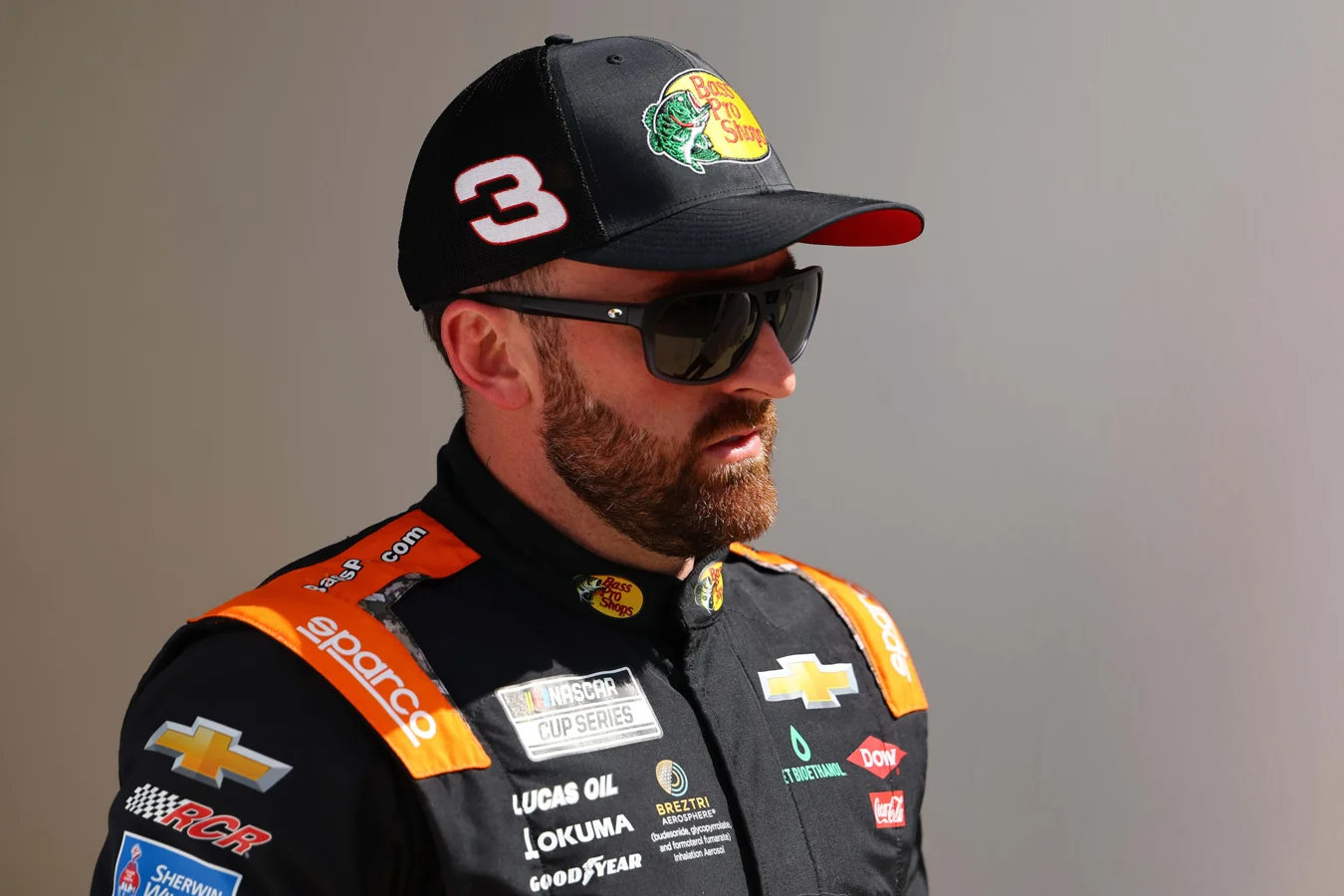
Pit crews must stay alert and adaptable, as lap times can change notably due to surface conditions shifting during the race. Dillon acknowledged this ongoing challenge but remains committed to navigating it successfully.
“As a driver, I’ve got to know that it’s not going to drive perfect at all times,”
he said.
You look forward to when the rubber gets laid down, because you’re going to have a better car at that point in the race.”
—Austin Dillon, Driver
Race Dynamics and Recent History at Dover
Qualifying at Dover has become rare, with only seven sessions held in the past 15 races and just two in the last six events, reflecting the track’s challenging and unforgiving nature. Despite this, certain drivers have mastered the Monster Mile’s difficulties, including Kyle Busch, who has claimed victory three times—in 2008, 2010, and 2017.
With the upcoming showdown, Busch may once again assert his skill on this demanding surface, adding excitement to the weekend’s event as teams and drivers prepare for a race that will test their ability to adapt to the distinct challenges of concrete racing.
