
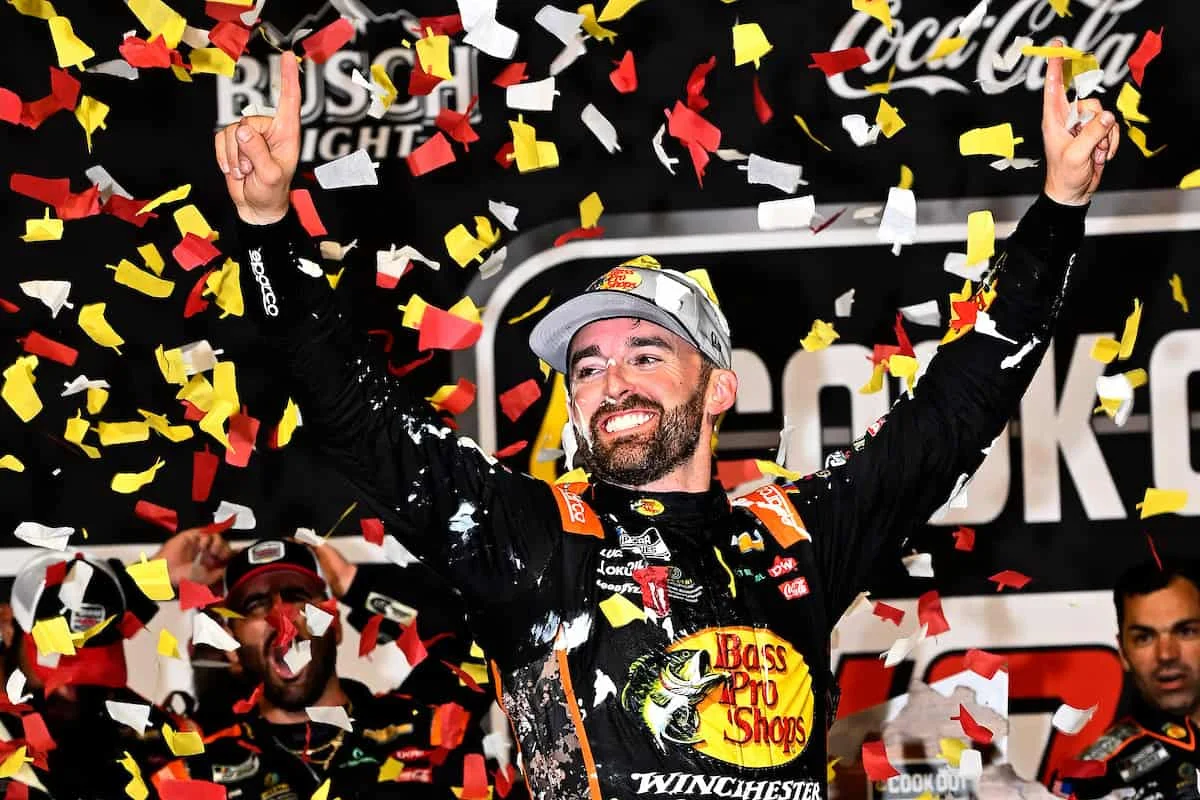
Austin Dillon secured a significant win at Richmond Raceway during the Cook Out 400, on a night dominated by tire performance. This race, held recently at Richmond, showcased some of the best short track competition the Next Gen era has seen, driven largely by a new softer right-side tire compound introduced by Goodyear.
The Austin Dillon Richmond NASCAR win has not only marked his first victory of the season but also disrupted the current NASCAR Playoffs landscape, signaling a potential turning point for the sport amid ongoing debates about the Next Gen car’s performance.
New Tire Strategy Elevates Racing Quality
Goodyear’s introduction of a softer right-side tire option created varied tire wear and degradation, encouraging strategic decisions and close battles among drivers. This change revitalized short track racing at Richmond, as the old asphalt surface allowed noticeable tire wear, contributing to more dynamic on-track action.
Richard Boswell described the race as a strong display of competitive racing, while Jeff Gluck from The Athletic saw the event as a crucial moment for NASCAR’s direction. Gluck pointed to the sold-out crowd and side-by-side racing as signs of renewed excitement and possibly a step toward resolving issues with the Next Gen car.
Expert Observations on NASCAR’s Current State
Jeff Gluck commented after Austin Dillon’s win on The Teardown podcast:
“This was a really big night for NASCAR, I think.”
He noted the growing dissatisfaction with the Next Gen car yet acknowledged this race brought a welcome reprieve.
“It just feels like this building sense of rage and dissatisfaction – and I’m not saying that certainly one race is going to make that go away, but it certainly for this week going to take the focus off that and have people talk about other stuff. As you talked about with the side-by-side battle, great stuff. Like, a great short track race. And then, with the tires.”
—Jeff Gluck, Journalist
Regarding the impact of the tire choice, Gluck added:
“Again, Goodyear brings this softer option tire and you’re go, ugh, you see there’s a glimmer of hope here, right? Everybody’s been putting this on the car, you know, ‘The car sucks, the car sucks.’ It’s like, okay, Goodyear, you’ve gotta fix it for us, right? And Goodyear has shown they’re getting closer to really figuring this thing out here. At least on a track with high wear. That’s the difference. Not all tracks are able to wear the tires like Richmond is with the old asphalt.”
—Jeff Gluck, Journalist
Wider Implications for NASCAR’s Playoffs and Future
Austin Dillon’s win delivered more than just a race victory; it has intensified discussions surrounding the NASCAR Playoffs and the win-and-in format. While the race helped ease frustrations with the Next Gen car on short tracks, it reopened debates about playoff fairness and competition structure.
This outcome reflects the uncertain and restless atmosphere within NASCAR, where fans and insiders alike await more consistent solutions to vehicle performance concerns. The Richmond event, with its exciting racing and strategic tire challenges, has temporarily shifted focus toward promising adjustments and renewed enthusiasm.
Moving forward, NASCAR will need to balance tire innovation with competitive equity to maintain fan interest and driver satisfaction, especially as the playoffs continue. Meanwhile, Austin Dillon’s breakthrough at Richmond stands as a key highlight in the sport’s ongoing evolution amid significant pressure to improve the racing product.
