
Brad Keselowski Brickyard Run saw one of its most intense moments during this year’s race at Indianapolis Motor Speedway, where the stakes were high and victory nearly slipped away. As the regular NASCAR season nears its climax, Keselowski and his team faced a critical challenge that almost derailed their chance for a top finish, highlighting the fine line between triumph and setback in this fiercely competitive sport.
Ryan Preece’s Surprising Performance Shakes Up RFK Racing’s Season
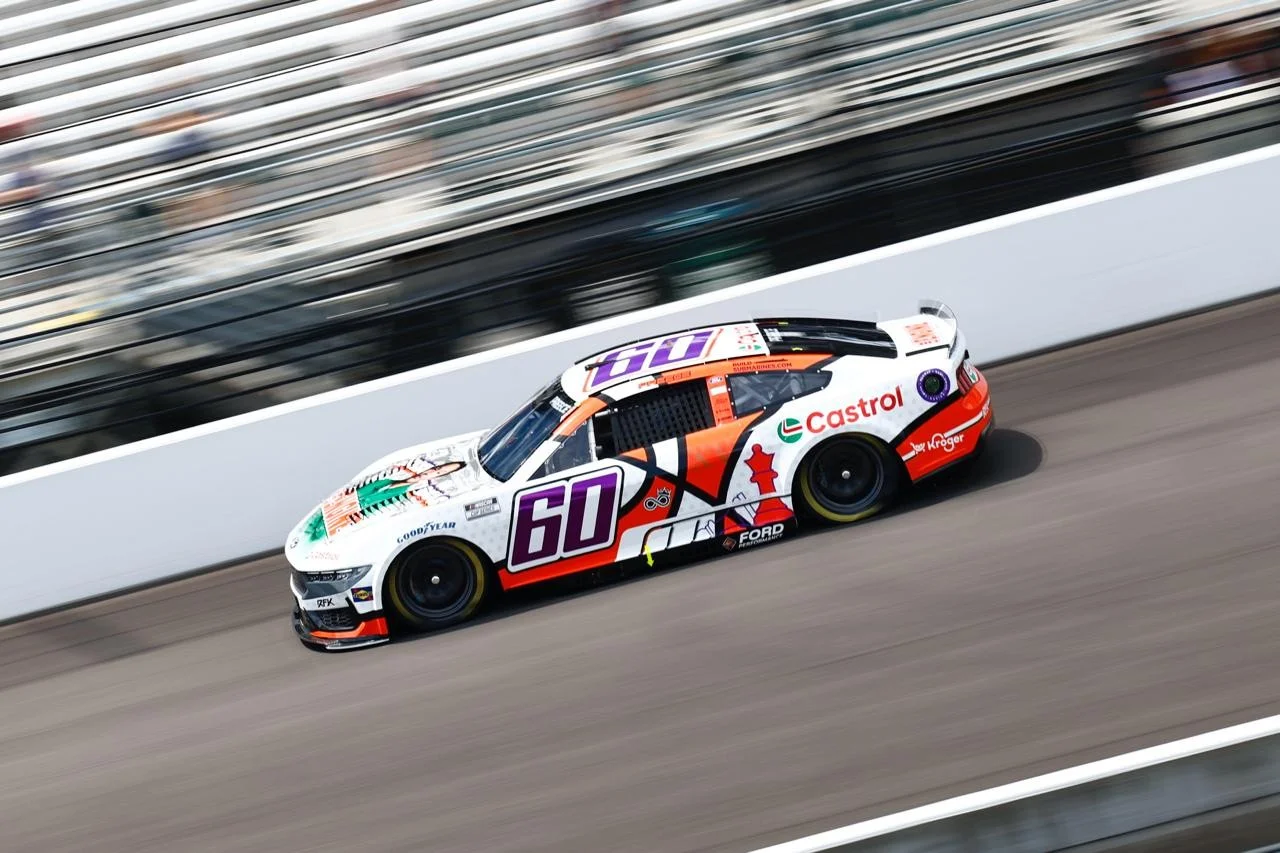
At the start of 2025, Roush Fenway Keselowski Racing (RFK) had uncertainty about expanding to a third full-time NASCAR Cup Series car, fearing it might reduce their overall strength. However, the No. 60 Ford, raced by Ryan Preece, defied early doubts by surging into playoff contention. Preece’s impressive fourth-place finish at the Brickyard 400 was notably unexpected and marked a significant turning point for both the driver and the team.
Preece’s strong run wasn’t accidental. Behind the scenes, strategic calls and calm leadership played a pivotal role in keeping his campaign alive, especially as the race waned amid unpredictable cautions and fuel challenges. This performance placed the No. 60 Ford just 42 points shy of the playoff cutoff, underscoring how crucial tactical decisions from the pit box influenced the outcome.
While RFK’s Chris Buescher leads the trio in a playoff spot, Keselowski—co-owner and driver of the No. 6 car—has struggled to gain similar traction on the points table. With the points gap challenging to close, Keselowski’s path to the postseason now rests heavily on securing at least one win before the regular season ends.
Derek Finley’s Steady Leadership Proves Vital for Ryan Preece’s Brickyard Run Result
Ryan Preece credited his crew chief, Derek Finley, for the critical guidance that kept him competitive throughout the race’s chaotic final stages. Their strategy, especially the decision to stay out during Stage 2 to gain clean air, initially paid dividends, putting Preece in a strong position despite dangers lurking from late-race cautions.
Preece explained the mental demands of balancing race strategy with driving in real time:
“Honestly, I thought the strategy side of things was looking really good at one point,”
he said on the NASCAR Live Podcast.
“When we stayed out there in Stage 2, (we) were able to put ourselves in a really good spot. Ultimately, I had an untimely caution, and things just didn’t go our way. But Derek did a great job of keeping me up to date on where we were.”
As fuel shortages plagued many competitors during the closing laps, Preece’s ability to stay informed and composed made a decisive difference.
“As a driver, it’s extremely easy to get lost in the entire race when it comes to the strategy piece,”
Preece added.
“We’re kinda back in the top 10 and found ourselves in 13th after the green flag pit stops. Had a caution, and from there out, we just had some strong green-light checkered green starts to get ourselves to 4th, along with a couple of people running out of fuel.”
Through a combination of skill, timing, and communication, the No. 60 Ford capitalized on fuel misfortunes and late-race chaos, marking a career-best performance for Preece and breathing new life into his season.
Keselowski and Preece’s Strong Brickyard Efforts Fuel RFK’s Playoff Ambitions
The Brickyard 400 delivered a rare spark for RFK Racing, with both Keselowski and Preece finishing inside the top five—fifth and fourth respectively—the team’s first double top-five finish of the year. Though neither secured a victory, their results gained valuable points that kept multiple RFK drivers within striking distance of the NASCAR Cup Series playoffs as the regular season approaches its final races.
Brad Keselowski has been vocal about his goals for RFK to have all three cars in the postseason: his own No. 6 entry, Chris Buescher’s No. 17, and Ryan Preece’s No. 60. Buescher currently holds the last playoff spot, while Keselowski and Preece remain just outside the cutoff line. The recent momentum from their strong finishes at Indianapolis has narrowed the gap and injected a sense of possibility heading into the final stretch.
Keselowski’s uphill battle is steep but not impossible. His recent performances reflect improvement, with several top-10 finishes since mid-season signaling the car’s rising competitive level. Track selection will be crucial for Keselowski to secure his postseason berth, with venues like Richmond and Daytona offering important opportunities to clinch a win and solidify his playoff hopes.
The Road Ahead for RFK Racing’s Playoff Hopes
With four races left before the playoffs, RFK Racing’s chances of advancing multiple cars remain alive and suspenseful. Should Keselowski capitalize on key races and maintain his improving form, he could join teammates Buescher and Preece in the postseason battle. Even if Keselowski falls short, having two drivers qualifying for the playoffs would still represent a significant accomplishment and reflect the team’s growth.
Ryan Preece’s surge late in the season continues to defy expectations, positioning the No. 60 car on the fringes of the playoff cut and fueling optimism across the RFK garage. His ability to combine driving skill with strategic precision under pressure could prove pivotal in the team’s journey toward NASCAR’s championship rounds.
This evolving dynamic illustrates how close competition is within NASCAR’s Cup Series, where split-second choices and steady leadership inside the pit box can tip the scales. For Brad Keselowski and his RFK Racing teammates, those fine margins will define whether their playoff ambitions become reality or fade too soon in a demanding season.
