
This weekend at Daytona International Speedway, the NASCAR Cup Series is hosting the regular season finale, where one final playoff spot remains up for grabs. Among the drivers eager for a win is Brad Keselowski, the 2012 Cup Series champion and co-owner of RFK Racing. The tension surrounding the event intensified when <a href="https://www.big14news.com/nascar/”>NASCAR canceled the Coke Zero Sugar 400 qualifying session due to lightning and rain safety protocols, a decision Keselowski openly criticized.
The Impact of Weather Protocols on Daytona Qualifying
The qualifying cancellation was rooted in a tragic incident from August 2012 when Brian Zimmerman, a 41-year-old fan from Pennsylvania, died after being struck by lightning outside a racetrack. Alongside Zimmerman, ten others were injured during that event because a group of fans failed to seek shelter after NASCAR issued warnings. The incident led to a lawsuit against Pocono Raceway and NASCAR, which, although resolved in favor of the racing organizations, resulted in insurance companies imposing stricter safety regulations for races during adverse weather conditions.
These updated protocols prevent NASCAR from running events or qualifying sessions if lightning is detected nearby, even if it is not actively raining at the track. This policy change forced the cancellation of qualifying at Daytona this weekend, much to the frustration of drivers and fans alike.
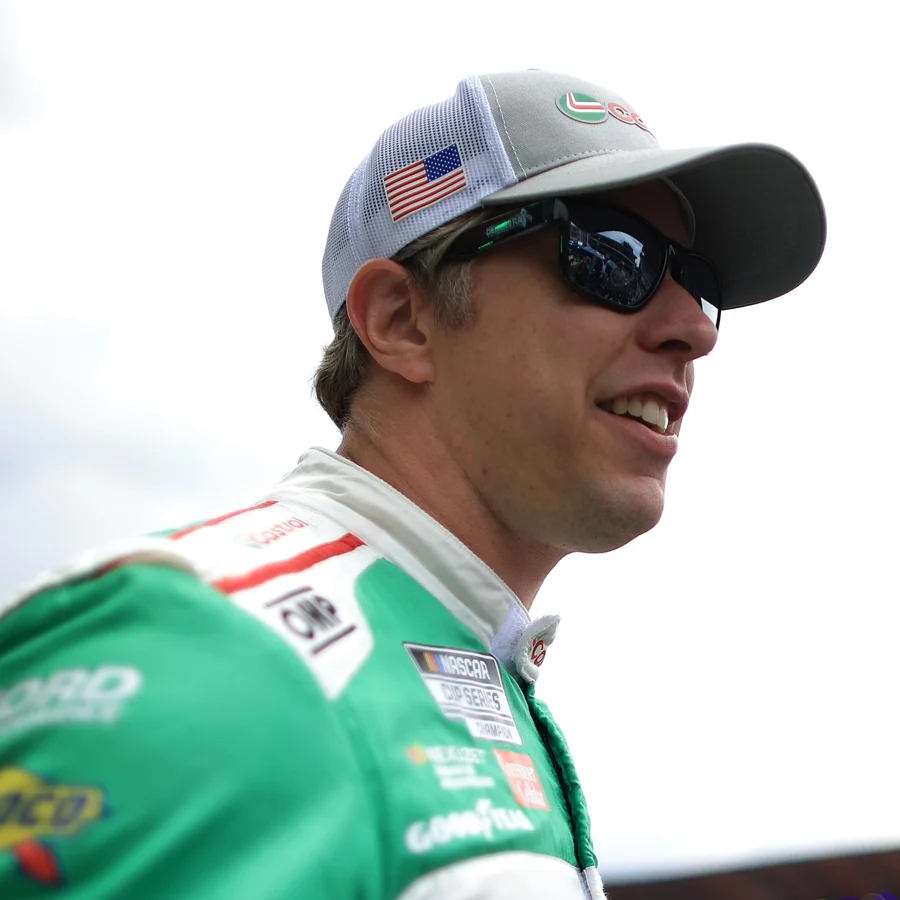
Trying to explain to my family why cars weren’t on track today. A few years ago, a man was sadly killed by lightning after a race and the courts ruled it was NASCAR’s fault. So now to get insurance coverage needed to race, we can’t go race, even when it’s not raining; if lightning is a few miles away.
—Brad Keselowski, RFK Racing co-owner and driver
Karting the Court’s Role in Affecting Race Week Dynamics
Brad Keselowski expressed his disappointment not only toward NASCAR but also targeted the judicial decision behind the policy. He shared a conversation with his daughter, who questioned the necessity of such strict rules, reflecting Keselowski’s own feelings about how the ruling has affected the sport’s enjoyment.
Daughter- “Don’t bad things just happen sometimes and it’s nobody’s fault.”
Me- “Yes, but some judges don’t believe that and it ruins other’s fun. Their is a lesson in there somewhere.”
—Brad Keselowski, RFK Racing co-owner and driver
The cancellation of qualifying had immediate consequences for the race lineup. Ryan Blaney secured the pole position by default, while Keselowski was relegated to start in 10th place—far from the front-row start he had anticipated and warned about before the session was called off.
Playoff Hopes and Championship Stakes Under Pressure
The cancellation puts added pressure on Keselowski, especially as he seeks his first win of the season. Alongside teammates Ryan Preece and Chris Buescher, Keselowski was considered among the top contenders due to their strong performances on superspeedways. However, the altered starting lineup complicates their chances to convert speed into a victory.
2014 Cup Series champion Kevin Harvick had publicly backed Keselowski’s potential to return to Victory Lane during this event, contrasting predictions favoring Kyle Busch or Buescher. But with qualifying canceled, Harvick admitted that Keselowski’s path to victory has become more challenging.
I’m going to go with another guy that needs to get back to Victory Lane, Brad Keselowski. That would mark his first win of the season, as well.
—Kevin Harvick, 2014 Cup Series Champion
Although starting 10th is not ideal, it remains a manageable position on a draft-heavy speedway like Daytona, where safety and strategy during the initial laps are critical. Keselowski and his No. 6 Ford Mustang team will need to navigate the opening stages carefully to avoid wrecks and position themselves for a strong finish.
Broader Ramifications for NASCAR’s Safety Policies and Race Outcomes
This incident highlights the tension between safety imperatives and competitive fairness in NASCAR. The insurance-driven weather policy, which aims to protect fans and participants from rare but severe events like lightning strikes, can nevertheless disrupt race weekend schedules and strategies. For drivers like Keselowski, who are desperate for a playoff breakthrough, such cancellations may prove costly.
Keselowski’s public frustration with the court decision driving these insurance mandates raises questions about how future policies will balance risk and race conditions. Fans and teams alike will be watching closely to see if NASCAR, insurers, and legal authorities revisit these strict weather-related rules to better reflect on-track realities while maintaining safety.
As the playoff drama unfolds at Daytona, Keselowski’s reaction underscores the emotional weight and high stakes surrounding this finale, where every qualifying position and race strategy could shape the championship fight’s outcome.
