
NASCAR‘s announcement that the 2026 All-Star Race will take place at Dover Motor Speedway has sparked significant concerns among drivers and fans alike. Brad Keselowski openly expressed his apprehension about Dover’s readiness, particularly questioning if the track can manage the necessary lighting setup to host the event successfully. His worries highlight potential challenges with this unexpected venue choice as NASCAR prepares for the event.
Driver Reactions Spotlight Uncertainty Over Night Racing Capabilities
During an appearance at Daytona International Speedway, Keselowski did not hesitate to share his reservations about the race’s relocation. He emphasized the importance of proper lighting for the All-Star Race, stating early concerns that:
“I think we’re all surprised by (Dover All-Star Race). I’m hoping they have enough time to put up lights.” —Brad Keselowski, NASCAR Driver
His reaction reflects a widespread surprise within the racing community. Although he remained cautiously optimistic, Keselowski underscored how vital the nighttime atmosphere is for the All-Star Race’s identity, a tradition established in 1992. That year’s event at Charlotte Motor Speedway was groundbreaking as:
“the first superspeedway race run at night”
setting a standard for the event’s prime-time spectacle that fans eagerly anticipate each year.
Lighting Installation Presents a Major Obstacle at Dover
Dover Motor Speedway’s lack of permanent lighting presents a significant logistical hurdle. The track has consistently functioned as a daytime-only venue, and despite prior speculation, no lights have been installed to support night racing. Complicating matters further, Dover’s proximity to the nearby Dover Air Force Base imposes restrictions on installing such infrastructure.
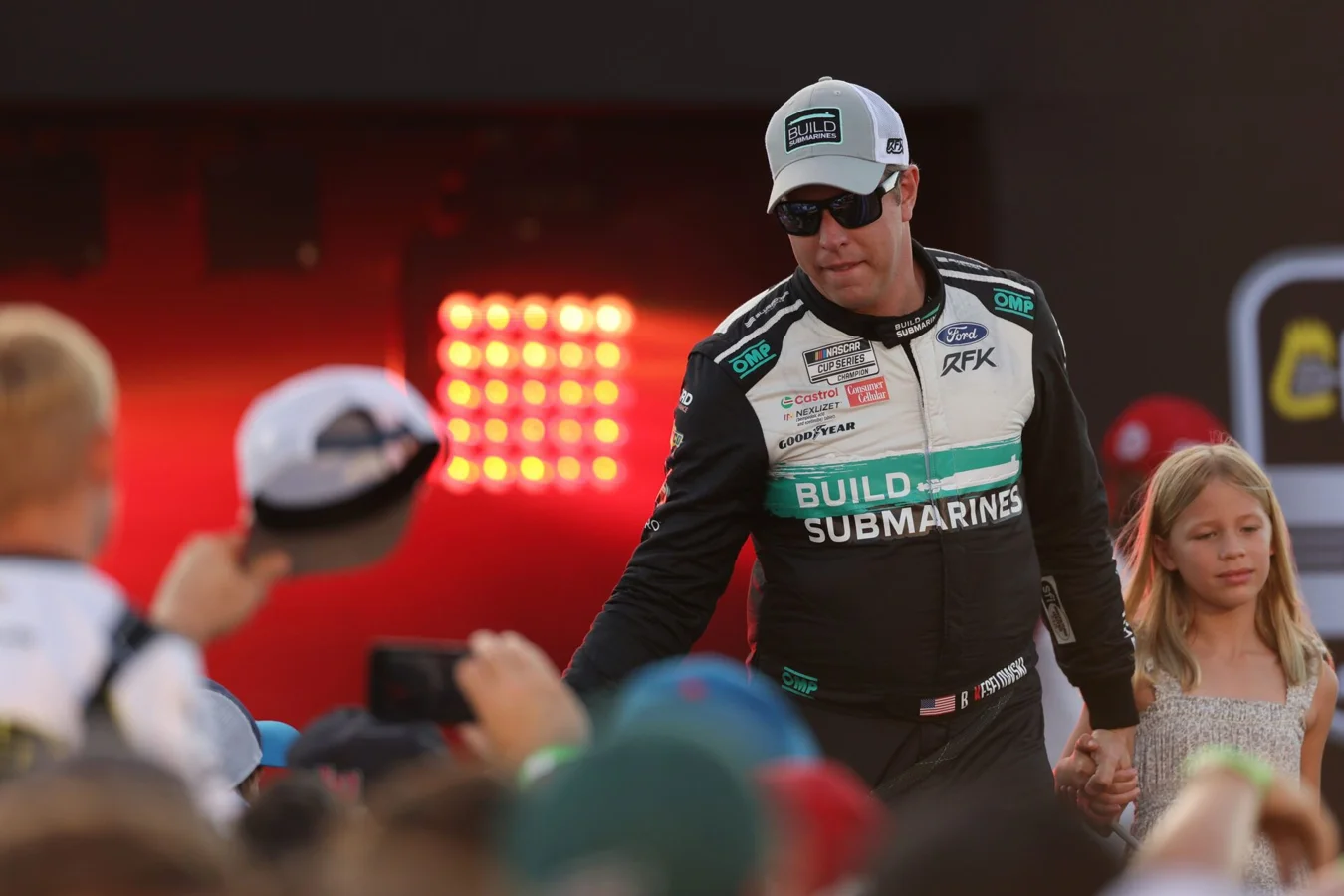
NASCAR analyst Bob Pockrass highlighted the dilemma surrounding the race’s timing, questioning whether the event:
“does it belong at night? I kind of feel like it does, and at Dover, it’s most likely going to be a day race.” —Bob Pockrass, NASCAR Analyst
If lighting cannot be added in time, this would mark the first daytime All-Star Race since 1991, breaking a 35-year tradition of night racing that has become a core part of the event’s appeal.
Additional Track Challenges Compound Race Planning Difficulties
Beyond lighting, Dover’s concrete surface requires significant rubber buildup to create multiple racing grooves. The All-Star Race’s short and intense format typically occurs on tracks with multiple groove options for competitive racing. However, Dover’s surface conditions could limit this, potentially impacting the race’s quality and excitement crucial to the event’s reputation.
NASCAR Defends Decision Amid Controversy
Despite these challenges, NASCAR is committed to moving forward with the choice to hold the event at Dover. Executive Vice President Ben Kennedy defended the scheduling decision, emphasizing the strategic factors involved:
“We worked with Speedway Motorsports on the shift there. Part of it was taking into consideration whether moving them into May felt like it was a better time of year from at least a heat perspective, and we considered a handful of other tracks as well. We felt like that one was the best.” —Ben Kennedy, NASCAR EVP
Scheduling the race for May 17, 2026, offers advantages such as milder spring temperatures in Delaware, which could improve comfort for fans compared to the summer heat of previous events. This change also aligns with NASCAR’s broader strategic moves.
Upcoming Opportunities and Historic Implications
This scheduling reshuffle notably opens the door for North Wilkesboro Speedway to host its first points-paying Cup Series race since 1996, marking a historic occasion for longtime fans. Although the uncertainty surrounding Dover’s ability to stage a night race remains, NASCAR is betting that these new opportunities and improved conditions will outweigh the risks linked to the venue’s current limitations.
