
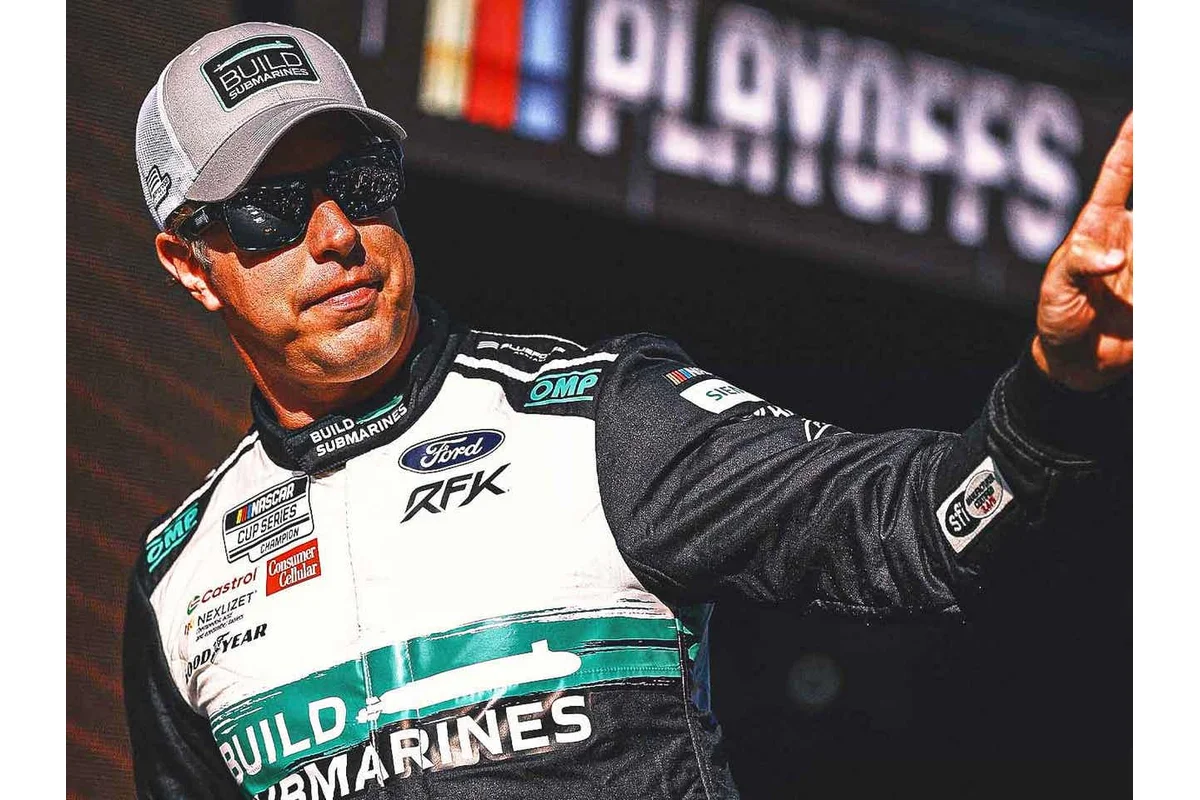
Brad Keselowski has been spotlighted as the “tandem drafting king” in NASCAR, following a spirited social media discussion on January 11, 2026. This recognition arose after veteran driver Mark Martin praised Keselowski’s racing style, an approach that once dominated super-speedway tracks and left a lasting legacy in stock car racing.
The Tandem Drafting Era and Brad Keselowski’s Early Career
The discussion reignited when Mark Martin, a respected NASCAR veteran, engaged with Brad Keselowski’s brother, Brian Keselowski, on social media about the challenges and artistry of tandem racing. Martin did not hesitate in his assessment of Brad’s skill, proclaiming,
“Your brother @keselowski was the king of it,”
—Mark Martin (@markmartin), racing legend. This statement fueled considerable attention from fans and industry insiders alike, recognizing Brad’s unique mastery during the height of NASCAR’s tandem drafting era.
Brian Keselowski, reflecting on his own experiences behind the wheel during that period, added,
“For sure, tandem racing was the hardest I ever drove on a superspeedway. And I only got to do it a couple times,”
—Brian Keselowski, NASCAR veteran. The practice of tandem drafting—where two cars lock together nose-to-tail to generate greater speed and aerodynamic efficiency—became a dominant, if controversial, fixture at races like Daytona and Talladega throughout the late 2000s and early 2010s. The technique was so intense and physically taxing that NASCAR officials ultimately banned it from several series and events in 2014, citing safety and race integrity concerns.
Memorable Triumphs and Lasting Impact
Brad Keselowski’s breakthrough moment in the tandem drafting scene arrived during the 2009 Aaron’s 499 at Talladega. With strategic precision, he worked the draft on the final lap, pushing Carl Edwards before making a dramatic split to the finish and claiming his first NASCAR victory. This win not only kickstarted Keselowski’s string of successes on superspeedways but also proved the effectiveness and game-changing nature of tandem drafting as a strategy in high-stakes competition.
The RFK Racing driver continued to excel using this approach, particularly during the era when the method was most potent. A highlight came in the 2012 Talladega race, where Keselowski and fellow competitor Kyle Busch used tandem tactics to secure the lead, with Keselowski pulling ahead at the crucial moment to win. These feats underscored his fluency with the tandem technique and cemented his reputation among peers and fans as one of its greatest practitioners.
Safety Concerns and NASCAR’s Response
Despite producing many unforgettable race finishes and strategic milestones, tandem drafting also brought criticism and technical complications. Drivers faced physical strain and raced on the edge of overheating engines, while the trailing car suffered with reduced visibility due to close contact. Ultimately, NASCAR shifted its rules and car designs in the years after 2012, gradually moving the focus back to pack racing formats and introducing aerodynamic changes that effectively limited tandem drafting’s presence in the Cup Series.
Brian Keselowski, looking back at his personal experiences with the technique and his brother’s influence, shared,
“Oh, trust me, I know. He pushed that old, slow turd of mine into the 500 in 2011. I learned a lot later why that worked so well, and I used that to push other guys to the front in races after that. It was way easier to push a slower car, as I didn’t have to drag the brakes as much,”
—Brian Keselowski, NASCAR veteran. Anecdotes like these capture both the tactical nuances and the strong family ties that shaped much of the Keselowski narrative during this innovative chapter of NASCAR history.
Recent Setbacks and Recovery Plans
As the 2026 NASCAR Cup season gears up, Brad Keselowski faces a significant personal challenge following an off-season skiing accident that has impacted his participation in early events. The 41-year-old, known for his resilience and leadership as a driver and team co-owner at RFK Racing, has chosen to prioritize recovery and will skip the Cook Out Clash at the Bowman Gray Stadium scheduled for February 1. In his absence, Corey LaJoie will take the wheel for this high-profile race.
Explaining the rationale behind this choice, Keselowski said,
“I didn’t want to rush back. The team and I kind of decided together that if all the rehab went absolutely perfectly, we’d be ready. Like literally the day of the Clash. And that seemed super foolish and didn’t give us any time to, you know, do any testing on myself or anything like that,”
—Brad Keselowski, RFK Racing driver and co-owner. This decision reflects both a commitment to long-term health and a strategic approach to the season ahead, especially as attention turns toward the Daytona 500, NASCAR’s marquee event.
Looking Ahead: Daytona 500 and Ongoing Legacy
Uncertainty surrounds Keselowski’s availability for the season opener at Daytona International Speedway, with the time between now and the February race providing a narrow window for recovery. Missing vital track time could mean added obstacles as the Michigan native works to rejoin his team in time for one of motorsport’s most celebrated spectacles. Still, the injury is understood to require a gradual healing process, and optimism persists that Keselowski will return to the No. 6 Ford for Daytona, reinforcing his legacy at a venue where his reputation as NASCAR’s tandem drafting authority was forged.
Brad Keselowski’s ongoing story continues to resonate both within the racing community and among passionate NASCAR fans. His historic tandem drafting skills have set benchmarks at super-speedway tracks like Talladega and Daytona, influencing strategy and leaving a lasting mark that persists even as rules and technology evolve. The recognition from peers such as Mark Martin underscores Keselowski’s enduring presence in racing’s collective memory, ensuring that his place as the “tandem drafting king” remains secure for years to come.
Your brother @keselowski was the king of it. https://t.co/cF3NAyY8rK
— Mark Martin (@markmartin) January 11, 2026
