
Dale Earnhardt Jr. and Kelley Earnhardt recently appeared on the “Rubbin’ is Racing” podcast to discuss various topics related to NASCAR, including Brad Keselowski’s evolving role in the sport. Their conversation highlighted how Keselowski’s NASCAR transformation and marketability have become noteworthy aspects of his career in 2024.
Exploring Marketability Challenges Among NASCAR Drivers
During the podcast, host Michael McCarthy raised questions about the natural star power of NASCAR drivers and whether all of them possess the ability to engage fans outside the racetrack. Kelley Earnhardt, who manages business operations for JR Motorsports and has a background in Business Administration, provided insights on this topic.
Dale Earnhardt Jr., reflecting on his own promotional efforts during his driving career, acknowledged that while marketing was not always enjoyable, it was essential for attracting fans and supporting the sport’s growth. McCarthy pointed out that many drivers start racing at a very young age, often homeschooled, and may lack experience with activities that build broader social skills, such as throwing a baseball.
They get exposed when they get to the top level,” Dale Jr. explained. “Because they lack the ability to understand why marketing is important.
Dale Jr. explained how drivers are primarily evaluated based on their performance as they progress through NASCAR’s ranks—from the Truck Series to Xfinity and then the Cup Series. However, marketability and personality often receive little attention until a driver reaches the highest level, where the lack of these skills can limit their longevity in the sport.
“There’s this focus on the ability of the driver as they’re ranking, you know going, but performance, right? Going through the Truck, Xfinity to the Cup level. The driver has to perform to continue to get those opportunities.
“There’s not much concern, or there are not a lot of questions, or homework being done on the marketability, the personality, and they finally get to that Cup level, and that’s when those guys get exposed, and they can have a short shelf life,”
Earnhardt added.
Brad Keselowski’s Unique Approach to Connecting with Fans
Michael McCarthy mentioned several young drivers showing promise in commercial appeal, including Noah Gragson, while noting Brad Keselowski’s surprising and entertaining ventures outside traditional racing roles.
There are a couple of young drivers, Gragson (Noah Gragson) leaps to mind too, I put him in any commercial,” McCarthey picked up the conversation. “But every now and again, I see like Brad Kay (Keselowski) doing a TikTok dance, and I’m like, ‘Oh, how they get him to do that?
Kelley Earnhardt observed Keselowski’s gradual emergence as a more expressive and relatable figure off the track, characterizing this change as stepping “out of his shell.”
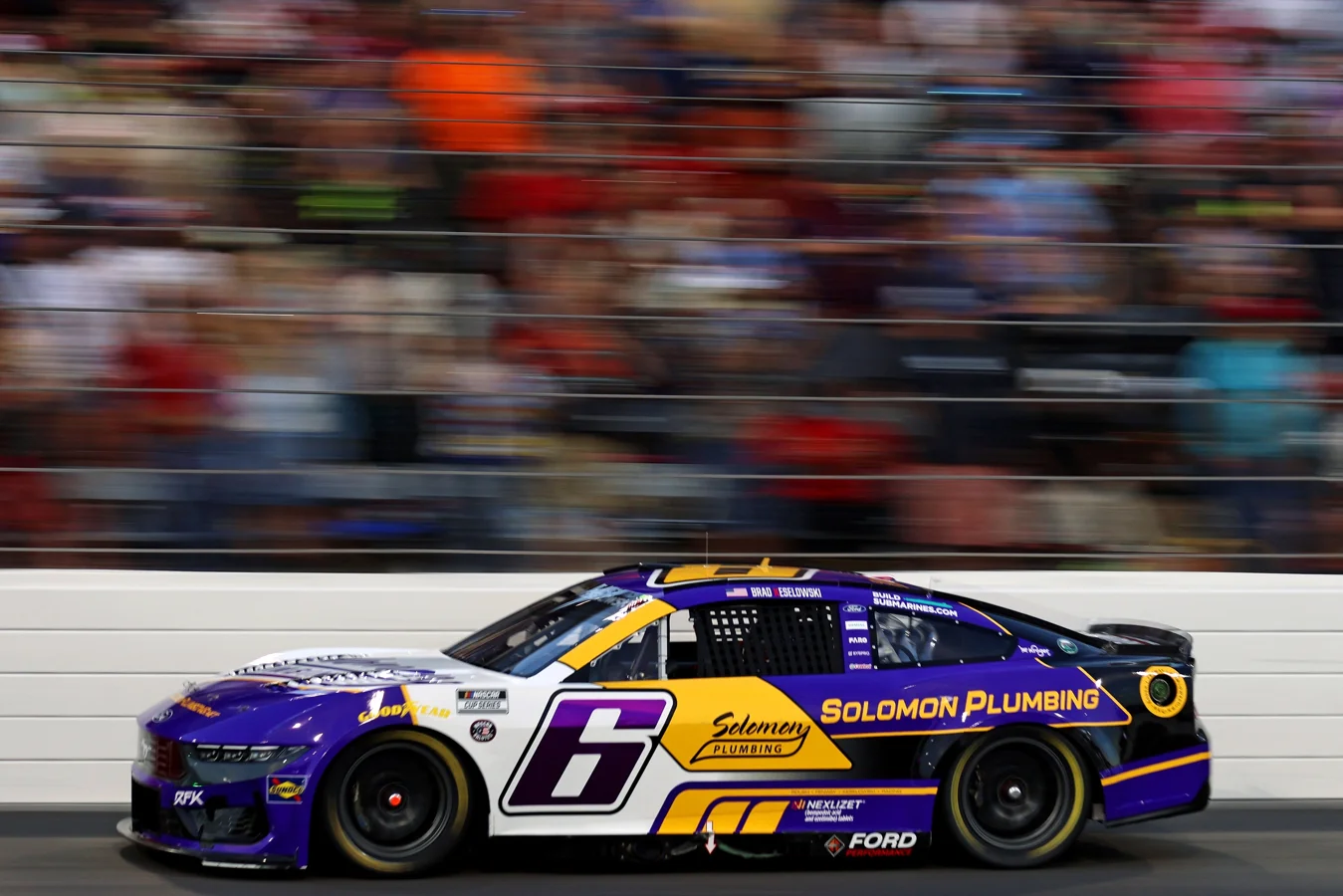
Over seventeen years, Brad Keselowski has compiled an impressive record with 36 wins in the NASCAR Cup Series and a championship title earned in 2012. Now 41 years old, he continues to impress as a driver, while also expanding his presence and appeal off the racetrack.
Keselowski’s Viral Success and Recent Marketing Highlights
Earlier this year, Keselowski gained widespread attention for his humorous Consumer Cellular commercial that aired prior to the Daytona 500. The ad showcased his ability to blend humor with brand promotion, reaching new audiences in creative ways.
In addition to that campaign, Keselowski collaborated with Kyle Busch to promote the Homestead-Miami race through a unique “Back to the Future”-style marketing effort. This campaign further highlighted his willingness to explore innovative marketing strategies and broaden NASCAR’s fan base.
The Growing Significance of Marketability in NASCAR Careers
Keselowski’s evolving role exemplifies a larger trend where drivers are increasingly expected to engage fans beyond their racing skill. This shift reflects the growing importance of marketability in sustaining a successful NASCAR career amid a highly competitive environment.
As drivers like Keselowski embrace new promotional platforms such as TikTok and clever advertising campaigns, their ability to connect with fans off the track may extend their relevance and popularity. This transformation could influence how future drivers prepare not only for competition but also for life beyond the racetrack.
