
On Tuesday, September 2, NASCAR driver Brad Keselowski celebrated the arrival of his fourth child, Robert Sterling, sharing the joyful moment with a touching family photo. The RFK Racing driver and his wife, Paige Keselowski, expanded their “party of 6,” marking a special milestone for the growing family.
The Growing Keselowski Family Journey
Brad Keselowski and Paige’s family began with their daughter Scarlett, born in 2015 before the couple married in 2017. Their second daughter Autumn followed in 2019, and their first son Maize arrived in November 2021. Earlier this year, the couple announced they were expecting again, culminating in the birth of Robert Sterling this September.
Keselowski shared a post on X featuring the newest family member with the caption:
“Officially a party of 6. Meet the newest Keselowski, Sterling Robert!”
—Brad Keselowski, NASCAR Driver
With a newborn in the family, Keselowski has been focused on his new parenting duties recently. In the meantime, former Cup driver Corey LaJoie has stepped in as his reserve driver. The timing echoes other recent NASCAR family events, such as Denny Hamlin missing the Mexico City race to be present for the birth of his fourth child. Additionally, Ryan Blaney is preparing to welcome his first child during the off-season.
Perspectives on Age and Performance in NASCAR’s Veteran Drivers
While Keselowski celebrates new parenthood, discussions continue within the NASCAR community about the performance trajectory of veteran drivers like Keselowski and Kyle Busch. Both drivers, over 40 years old, remain active in the Cup Series but have faced challenges maintaining top form.
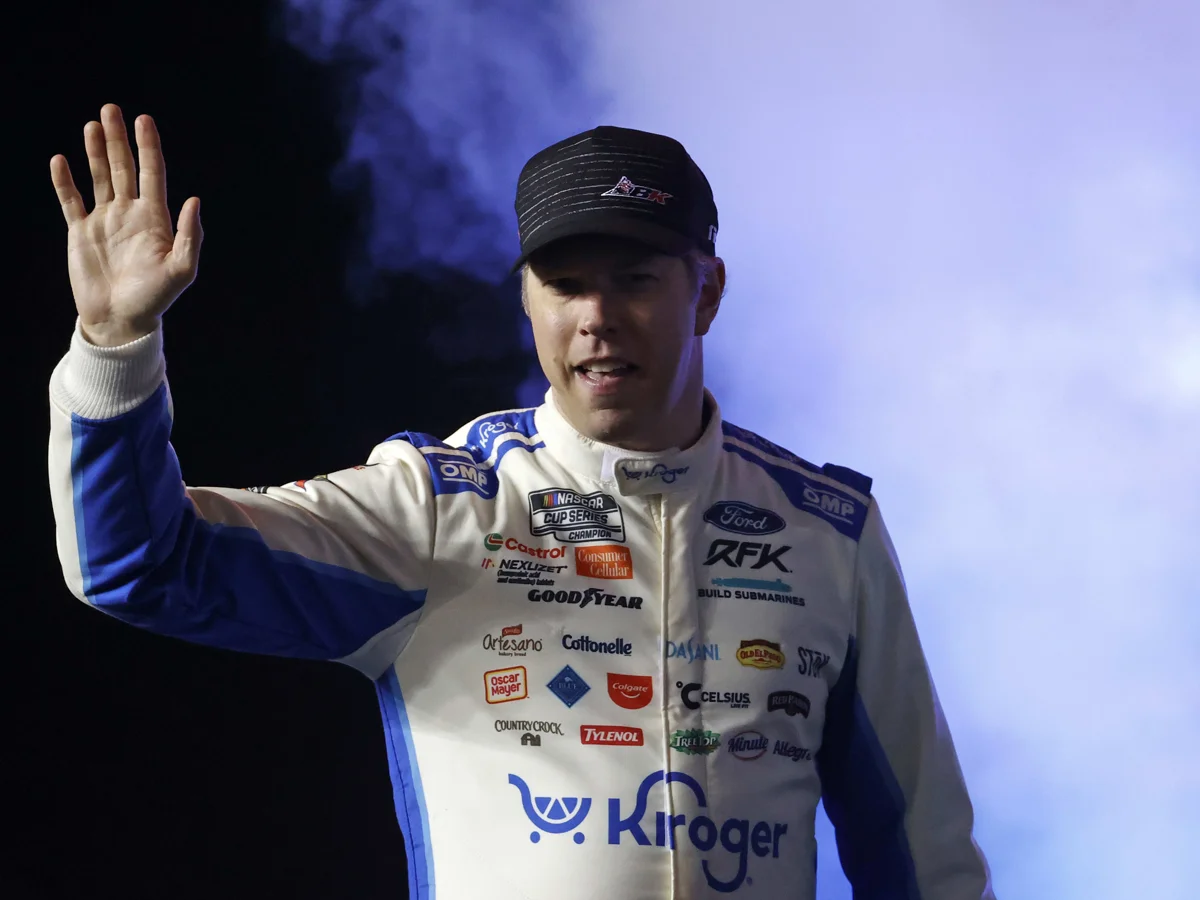
Former NASCAR driver and current CW broadcaster Parker Kligerman recently examined this topic during a Rubbin is Racing podcast episode. Reflecting on the impact of age in NASCAR careers, Kligerman emphasized that late 30s and early 40s can still represent peak performance years for a driver.
“I say, like, age, you know, late 30s to me is still a young race car driver. Like, you can go—you can go in your 40s. Denny Hamlin’s proven that. Kevin Harvick proved that. Mark Martin has proved that. Many, many years before this, you know, we’ve gotten obsessed with age, and the analytics would tell you for the last 15 years is probably the wrong approach. Like your best cup drivers are in their 30s, right?” [01:03:12 onwards]
—Parker Kligerman, Former NASCAR Driver and Broadcaster
“Like that’s just the forever-reason lifestyle, you know, mental experience, talent, skill—everything aligns in your 30s. So, I think it’s actually the premier time for a race car driver,” he added.
—Parker Kligerman, Former NASCAR Driver and Broadcaster
Keselowski’s 2023 Season: Challenges and Breakthroughs
This season has been a testing one for Brad Keselowski. As one of five Cup veterans without a playoff spot, the No. 6 Ford driver struggled early, lacking top-10 finishes until finally breaking through during the Coca-Cola 600 at Charlotte Motor Speedway with a fifth-place finish. Following this, Keselowski found more consistency, achieving several top-5 placements, highlighted by a second-place finish at Echopark Speedway.
Despite these improvements, Keselowski did not secure any race victories in 2023 and finished below some of his RFK Racing teammates, including Chris Buescher and Ryan Preece. Nevertheless, his determination to compete at a high level remains evident amid the season’s ups and downs.
Anticipating the Road Ahead for Keselowski and NASCAR Families
Brad Keselowski’s welcome of his fourth child signifies an important and joyful chapter personally, even as he navigates a challenging season professionally. Balancing family life with the demands of NASCAR competition adds new dimensions to his career and outlook.
The ongoing conversation about age and performance in the sport highlights that drivers like Keselowski remain valuable assets in the competitive field, bringing experience and skill that can continue to influence NASCAR’s future. Meanwhile, the growing NASCAR families of drivers such as Keselowski, Hamlin, and Blaney reflect a broader trend of athletes managing life changes alongside racing careers.
