
The latest NASCAR Cup Series event, the 2025 Cracker Barrel 400, concluded at Nashville Superspeedway with Ryan Blaney crowned the winner on Sunday night. However, the race was overshadowed by a flurry of penalties, including those involving Bubba Wallace and Kyle Larson, as race officials enforced numerous infractions throughout the event.
Race authorities handed out 21 penalties during the race, the highest tally seen recently, emphasizing strict adherence to NASCAR rules. The focus on infractions such as ‘pitting before pit road is open’ and ‘speeding on pit road’ affected many drivers, shaking up the competition and adding tension to an already intense race.
Common Pit Road Violations Dominated the Penalty Sheet
The majority of penalties stemmed from drivers entering the pits prematurely, with 14 competitors cited for pitting before pit road officially opened. Among those penalized for this were notable Cup Series contenders Kyle Larson and Christopher Bell. These infractions resulted in tail-end penalties, forcing drivers to restart at the back and severely impacting their race strategies.
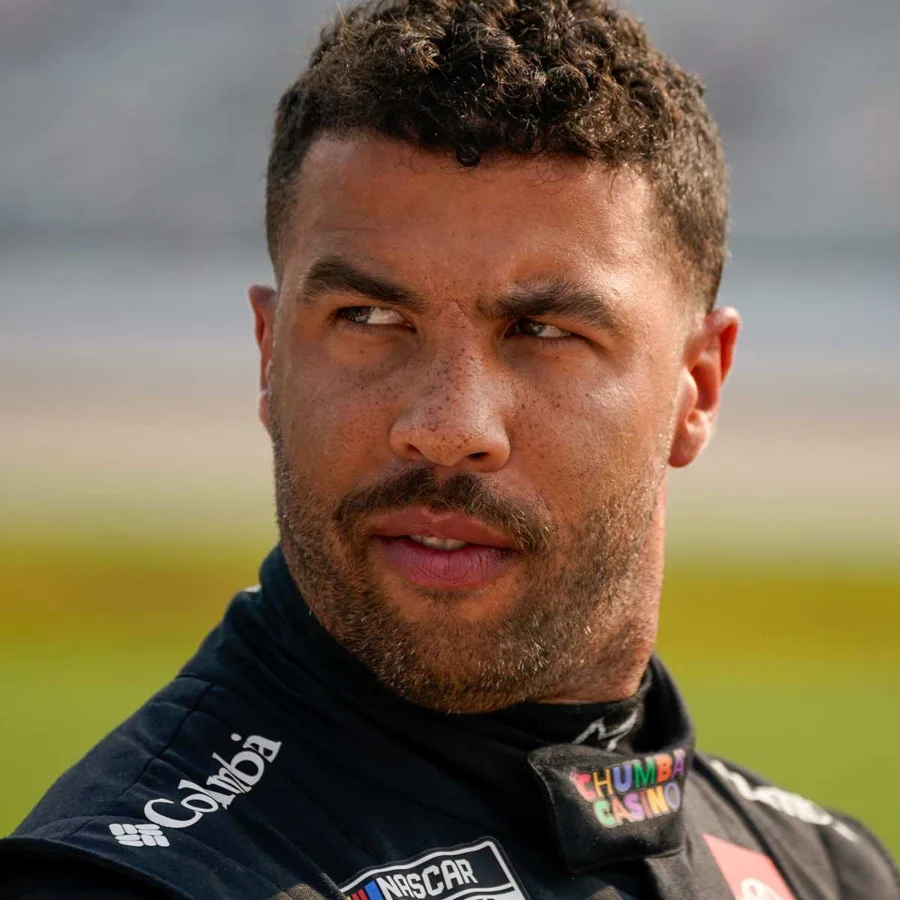
In addition to pit entry mistakes, Bubba Wallace and Erik Jones were penalized for speeding on pit road, an infraction that carries a drive-through penalty. Wallace’s violation occurred on lap 43, and Jones was caught speeding on lap 68, both resulting in immediate consequences on the track.
Penalties Extended to Crew Actions and Pre-Race Procedures
Issues were not limited to drivers alone; team crew actions also resulted in significant penalties. For instance, Alex Bowman and Michael McDowell’s teams were penalized for having crewmembers over the wall too soon during pit stops, while Brad Keselowski’s crew faced penalties for having too many members in contact with the pit service area simultaneously.
Additionally, AJ Allmendinger and the No. 16 team were penalized for making unauthorized adjustments after their car failed inspection prior to practice and qualifying. This led to Allmendinger starting at the rear of the field and serving a stop-and-go penalty under green flag conditions, effectively putting him a lap behind the rest of the field.
Detailed Breakdown of Infractions and Penalties During the Race
The infractions and corresponding penalties issued by NASCAR officials were as follows:
Pre-Race, AJ Allmendinger’s No. 16 car received a tail-end penalty and a stop-and-go penalty due to unapproved car adjustments after inspection.
Lap 43 saw Bubba Wallace in car No. 23 penalized with a pass-through penalty for speeding on pit road, while Erik Jones (No. 7) received a similar penalty on lap 68 for the same infraction.
Several drivers were held accountable for pitting before pit road was officially open, including Ricky Stenhouse Jr. (Lap 106), AJ Allmendinger, Erik Jones, J.J. Yeley, Noah Gragson, Alex Bowman, Christopher Bell, Chad Finchum, Kyle Larson, Cody Ware, and others. These infractions uniformly resulted in tail-end penalties, placing them further back in the race order.
Crew-related penalties included Alex Bowman’s crew being penalized twice—for early pit wall entry and excess crew members on the pit service area—and Michael McDowell and Brad Keselowski’s teams facing tail-end penalties for similar violations.
Implications and Outlook Following Penalties at Nashville
The high number of penalties at Nashville exposed the challenges teams face in balancing aggressive tactics with clean execution under NASCAR’s regulations. For key drivers such as Bubba Wallace and Kyle Larson, who were both caught in pit road violations, these setbacks may affect their standings and momentum in the ongoing Cup Series season.
AJ Allmendinger’s situation, forced to start from the rear and serving additional penalties, highlights how technical infractions and overzealousness in preparation can drastically alter race outcomes. The disciplinary actions also reinforce NASCAR’s firm commitment to strict rule enforcement, emphasizing safety and fairness.
Looking ahead, teams will likely scrutinize their pit procedures and pre-race preparations more closely to avoid similar infractions. For fans and competitors, these penalties serve as a reminder of how crucial every rule compliance is to the integrity of NASCAR racing.
