
Since the launch of NASCAR’s Next-Gen cars in 2022, drivers and fans alike have raised concerns about passing difficulties due to the vehicles’ aerodynamic design. The cars run closer together than ever, but their tougher tires have reduced passing opportunities, creating challenges for competitive racing. Bubba Wallace, a prominent driver for 23XI Racing, has proposed a clear solution to revive excitement on the track: increasing horsepower beyond the current 670.
Wallace is urging NASCAR to consider boosting the Next-Gen engines to at least 750 horsepower, arguing that a more powerful engine package would lead to more thrilling races. He believes this change would be a more effective and financially sensible approach compared to smaller, incremental adjustments NASCAR has made so far.
“I mean, we’re 670 now, right? I think if you go in small increments, it’s just like sticking a Band-Aid on something. I’m not asking for [900] but 750 at least, or higher, just to see if it’s as easy and somewhat cost-efficient as they’re saying, and I think I’m reading the comments right, then why not?” —Bubba Wallace, at a media session in Nashville.
Proposing Real-World Testing of Increased Horsepower at Short Track Events
Instead of prolonged evaluations and simulations, Wallace suggested NASCAR implement a straightforward test by introducing the upgraded horsepower in an actual race setting, particularly on short tracks. He expressed that the sport should not hesitate to take bold steps, even if the outcome is uncertain, to determine if more power truly enhances competition.
“Have a test, no, not even a test. Why don’t we all just show up somewhere, wherever our next short track is, and give it more horsepower? If it’s a shitshow, then go from there. But you’re going to get a 720 package, and one driver is going to be like, ‘Oh, I thought it was pretty good! We’re done! Good job!’ No, that’s not the case. So, we need big moves here. What are we scared of?” —Bubba Wallace
Wallace Addresses NASCAR’s Delay in Modifying Horsepower Levels
Wallace also spoke about why NASCAR has hesitated to increase horsepower despite calls from drivers. He suggested the delay might stem from expectations that new manufacturers would join the sport, which has not materialized. Given that situation, he believes NASCAR should move forward with power upgrades without waiting for additional manufacturers to come onboard.
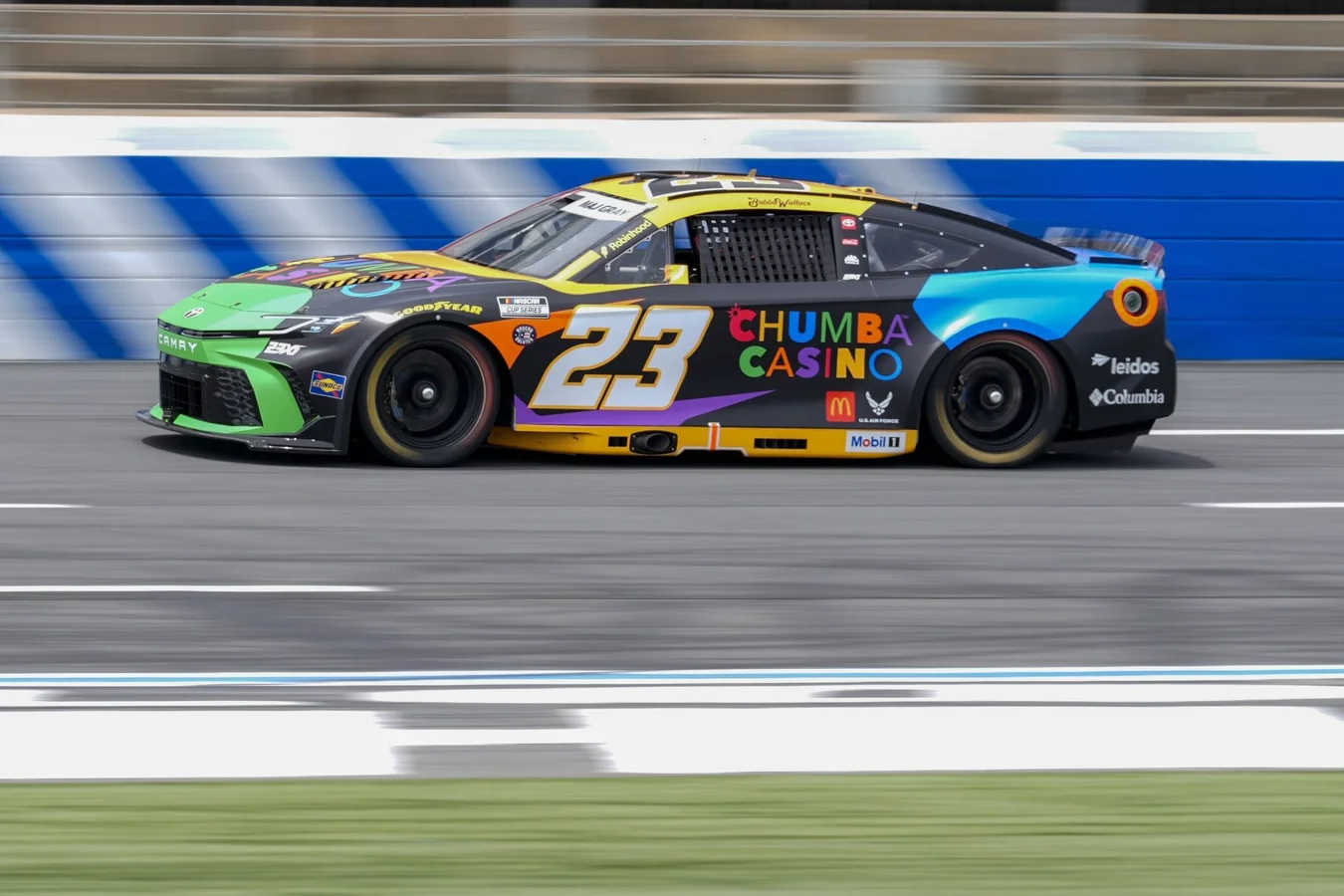
“We’ve been saying it for years, we want more horsepower, and we’ve always been told we’re waiting on other manufacturers to come in and they ain’t in! So, let’s do something. Yeah, we need to think.” —Bubba Wallace
The driver highlighted that NASCAR currently benefits from strong momentum due to lucrative media agreements and ongoing expansion into diverse tracks, making this an ideal time to implement changes that could elevate excitement for fans and participants alike.
“We have all the momentum on our side with our sport right now, right? I think bringing something exciting, I think they need to look at it from an exciting standpoint than a worrying standpoint.” —Bubba Wallace
The Challenge of Balancing Innovation and Caution in NASCAR’s Next Steps
Bubba Wallace’s appeal is not isolated; several drivers have expressed frustration with the conservative approach NASCAR has taken toward Next-Gen car adjustments. His push for a 750-horsepower benchmark reflects a desire to return to more dynamic racing, moving beyond what he describes as tentative “Band-Aid” fixes. Although NASCAR has yet to commit to major changes, fan and driver enthusiasm for more powerful engines could push the sanctioning body toward action soon.
As discussions continue, stakeholders in NASCAR will likely weigh the benefits of more horsepower against risks associated with altering the competitive balance. The response to Wallace’s suggestion to test the increased power package at an upcoming short track race may prove pivotal in shaping the future of Next-Gen cars and race excitement.
