
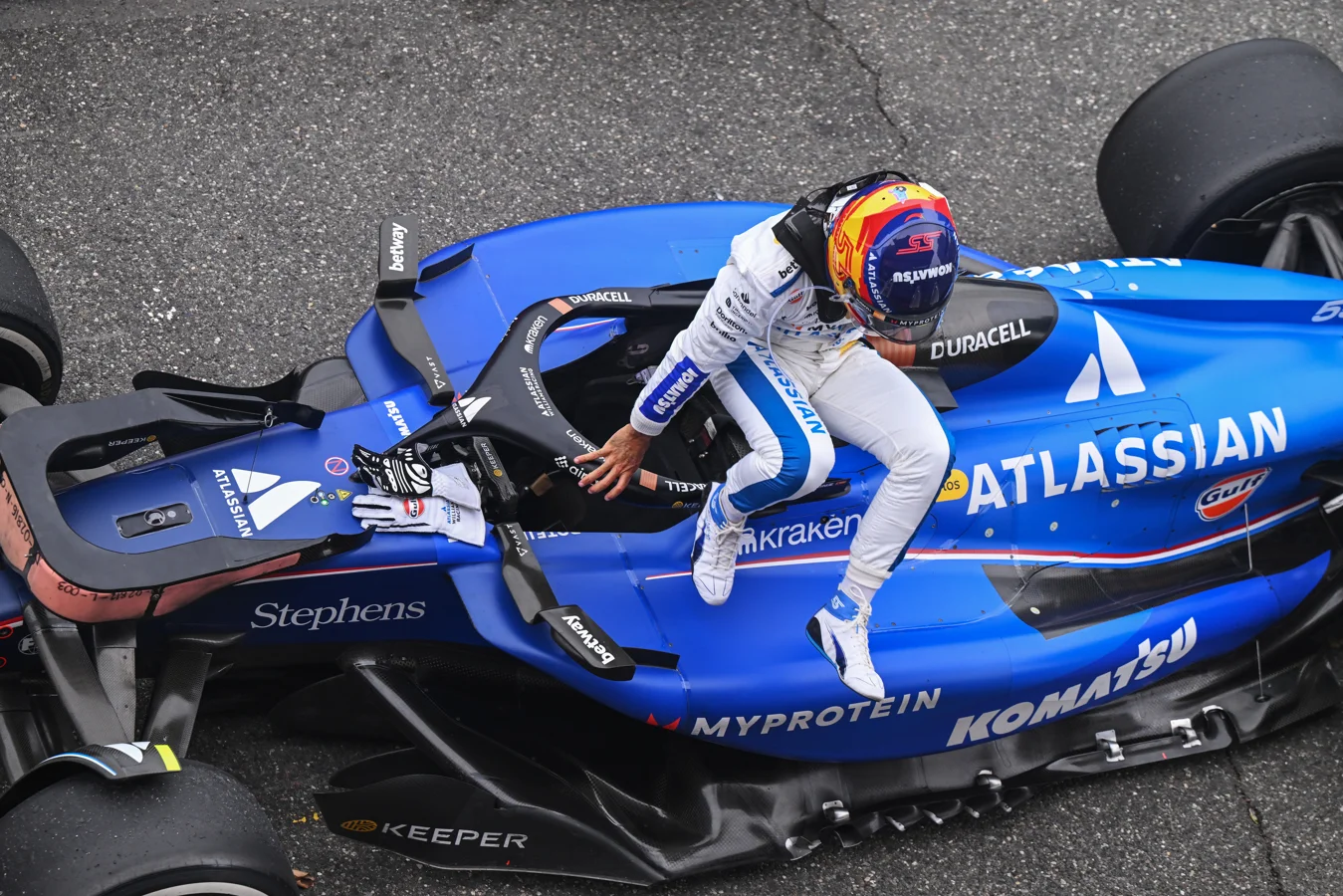
Formula 1 driver Carlos Sainz has voiced strong support for implementing permanent FIA stewards across all races, highlighting growing concerns over inconsistent officiating during the 2024 season. Sainz argues this change is essential to ensure clear, timely rulings and improve fairness in race adjudications.
His calls follow a recent incident at the Dutch Grand Prix in Zandvoort where Sainz had penalty points removed from his Super Licence relating to a collision with Liam Lawson. This event renewed the debate over whether a consistent steward panel throughout the Formula 1 calendar would lead to better decision-making standards.
Sainz’s Clear Stand on Fixed Stewards Amid Sporting Challenges
The concept of permanent stewards has been previously debated but stalled partly due to funding concerns, as current stewards volunteer with only expenses reimbursed. Ahead of the 2025 season, Formula 1 has altered its stewarding structure by generally reducing the number of stewards from four to three per race, except for six high-demand events including Australia, China, Canada, Singapore, Mexico City, and São Paulo, where four stewards will still be present.
Sainz, 31, and other drivers have raised issues with the rotating steward system, emphasizing the uncertainty and variability it can cause. He particularly criticizes how some investigations extend beyond race day, leaving results unsettled for hours after the checkered flag. Sainz believes this lack of immediacy undermines the experience and clarity expected in the sport.
Concerns Over Decision Consistency and Race-Ending Clarity
In Baku, Sainz shared insights on the pressure stewards face balancing in-race decisions versus post-race reviews. He noted how fans, teams, and drivers all prefer knowing final race outcomes promptly rather than awaiting hours for rulings. Sainz said,
“I think it’s fair to say there’s relative pressure from media, drivers and everyone to want to know that, when the race finishes, you want to know the actual result, rather than having to wait two hours to actually decide.”
He further explained the difficulty in adapting to different referees at each event:
“When you work every race with different referees, it’s very difficult to know and understand when it’s coming or not.”
This inconsistency, he argued, hampers drivers’ ability to anticipate steward responses, potentially affecting their racing strategies and trust in the system.
Backing from Top Organizations but Resistance Remains
On the question of funding permanent stewards, Sainz acknowledged his limited knowledge of the financial logistics yet insisted key Formula 1 bodies support reducing steward rotation. He proposed a structure where two stewards remain constant across the season while one rotates to maintain sporting fairness and provide ongoing training.
He stressed the financial sustainability of this model:
“I think we shouldn’t care about who pays because there’s enough money in this sport to pay those salaries the same way that there’s enough money in the sport to pay the salaries of all the other people. So if that’s the right way forward, I cannot believe we’re talking about those salaries.”
Despite this support, Sainz admitted not everyone agrees on the transition, with some pointing to other sports, like football, where officials rotate without widespread complaint. He explained,
“Because not everyone agrees, I think not everyone agrees the same way that they can use the argument of football.”
Highlighting concerns from critics, he acknowledged the potential for biases from repeated interactions but remained certain about his position:
“There could be a guy that, if he gets penalised two or three times, he will start blaming ‘it’s that steward that hates me’, so I understand where they come from, and those that defend not permanent stewards, I understand their point.”
Comparing Stability in Race Direction to Steward Consistency
Sainz drew parallels between his positive experience with race director Rui Marques and his vision for permanent stewards, underlining the benefits of familiarity and a stable relationship. He said,
“I see him being in the sport for quite a long time, and we’re not changing race director every race, and I see the benefits that keeps with the sport, and the development with the drivers, and the development of the relationship with him.”
This reflection suggests that, in Sainz’s view, such continuity helps everyone understand expectations and creates a smoother competitive environment. He believes following a similar path with the stewarding panel could reduce confusion and tension during race weekends.
The Broader Impact and Future of Stewarding in Formula 1
The debate over steward consistency is significant because steward decisions can directly affect race results, championship standings, and driver reputations. Delayed or inconsistent rulings contribute to frustration among drivers and fans, causing tension in what is already a highly competitive sport.
By advocating for Carlos Sainz permanent stewards, the sport’s officials may find a way to curb these issues, fostering fairness and clarity on race day. However, reaching unanimous agreement remains a hurdle, with financial, traditional, and sporting fairness considerations needing resolution.
Going forward, the success of the 2025 stewarding format changes and ongoing driver feedback will likely influence whether Formula 1 adopts a fixed steward panel permanently. For now, Sainz’s outspoken stance adds urgent momentum to this conversation within the paddock.
