
Carlos Sainz Sr. has decided not to make a late bid for the presidency of the Fédération Internationale de l’Automobile (FIA), solidifying Mohammed Ben Sulayem’s path to an uncontested leadership win. This development comes ahead of the FIA’s December election and marks a significant moment in the governance of motorsport’s governing body.
Last month, Ben Sulayem received a strong endorsement from 36 FIA member clubs, most of which are based across the Americas. The letter praised his leadership, with the signatories
expressing their gratitude for his service, commitment and vision
.
Challenges faced by Mohammed Ben Sulayem during his presidency
Ben Sulayem’s tenure has been marked by controversy and internal turmoil. He faced public criticism from David Richards, chairman of Motorsport UK, who accused him of
a shift of the moral compass
at the FIA amid numerous organizational reforms. The atmosphere grew tense after Robert Reid resigned from his role as deputy president for sport, leaving questions about governance and accountability within the FIA.
Additional issues have surfaced, including allegations of secrecy surrounding meetings, the dismissal of key figures such as the FIA’s head of compliance, members of its audit committee, the chief executive, and the Formula 1 race director Niels Wittich. These developments have painted a complex and troubled picture of the FIA’s leadership under Ben Sulayem.
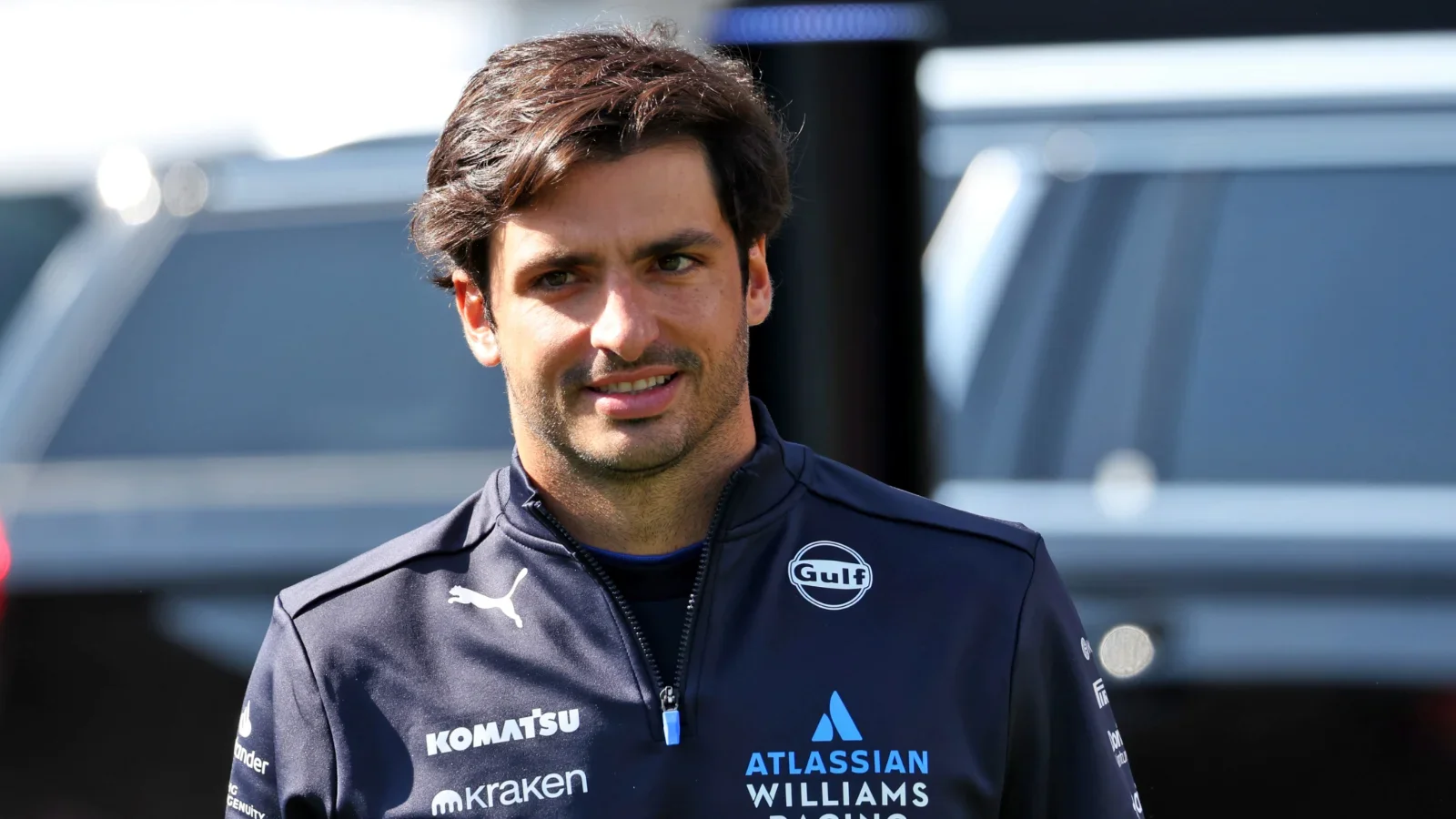
Industry response to Sainz’s potential candidacy and his withdrawal
Despite the difficulties facing Ben Sulayem, news of Carlos Sainz Sr.’s possible challenge was met with broad support from senior Formula 1 figures. Sainz is widely regarded as a respected and likable figure, with substantial experience in motorsport. His candidacy was seen as an opportunity to offer the voting members a genuine alternative and enhance competitiveness within the FIA.
However, Sainz’s campaign was constrained by his personal commitments, including preparations for the Dakar Rally, and the ticking clock limited his ability to build momentum. The overwhelming backing that Ben Sulayem secured from the 36 member clubs likely influenced Sainz’s decision. Ben Sulayem has cultivated strong alliances within the organization, despite challenges coming from within the FIA headquarters in Paris.
Ben Sulayem expressed support for Sainz’s initial intention to run, stating in May,
let him stand. That is democracy
. Nevertheless, Sainz’s ultimate choice not to run leaves Ben Sulayem uncontested for another term, likely extending his presidency until 2029.
Historical context of uncontested leadership in sports organizations
Uncontested elections for top sports governing positions are not unusual. For example, Sepp Blatter was elected FIFA president without opposition in 2011 after rival Mohammed Bin Hammam withdrew amid bribery allegations. Blatter remained in charge for 17 years until banned over a corruption scandal in 2015. He was succeeded by Gianni Infantino, who was re-elected unchallenged in 2023. Similarly, Witold Banka, president of the World Anti-Doping Agency, secured another term in May without facing opposition.
Implications of an uncontested FIA presidency in motorsport
With no challenger stepping forward, Mohammed Ben Sulayem will maintain his leadership unopposed, granting him an extended period to fulfill the goals outlined in his manifesto and those reaffirmed by the member clubs’ letter. This uncontested victory strengthens his position and may amplify perceptions of power within the FIA.
However, the absence of competition also means Ben Sulayem’s mandate has not been tested against an alternative candidate. In a sport fundamentally defined by competition and proving excellence, winning by default diminishes the sense of achievement. The situation raises questions about the FIA’s internal democracy and the vibrancy of its electoral process.
As motorsport navigates this period of change, all eyes will remain on how Ben Sulayem addresses the challenges facing the sport and whether his extended term brings stability or further controversy.
