
Carlos Sainz has cautioned that the recent implementation of a mandatory two-stop pit strategy at the Monaco Grand Prix could intensify the unpredictable nature of the race. The FIA World Motor Sport Council confirmed this rule change in February to increase excitement on the narrow and challenging streets of Monte Carlo.
By requiring all drivers to pit at least twice, the FIA aims to disrupt the usual one-stop approach driven by the difficulty of overtaking at this venue. Sainz on mandatory two-stop Monaco GP race could significantly alter race dynamics, creating more strategic variables for teams and drivers alike.
Challenges of overtaking and past race unpredictability in Monaco
The Monaco Grand Prix has long struggled to deliver thrilling on-track action due to the circuit’s tight layout and the width of modern Formula 1 cars. One-stop pit strategies have typically dominated because maintaining track position is essential to success here. Last year’s race highlighted these challenges when an early red flag allowed drivers to change tyre compounds before the restart; as a result, only six drivers made pit stops under normal race conditions.
This new requirement aims to prevent similar processes from reducing strategic uncertainty, but how the additional mandatory pit stop will impact the race outcome remains unclear. Analysts speculate that some drivers starting further back on the grid may pit twice early and manage their race on harder tyres to gain an advantage.
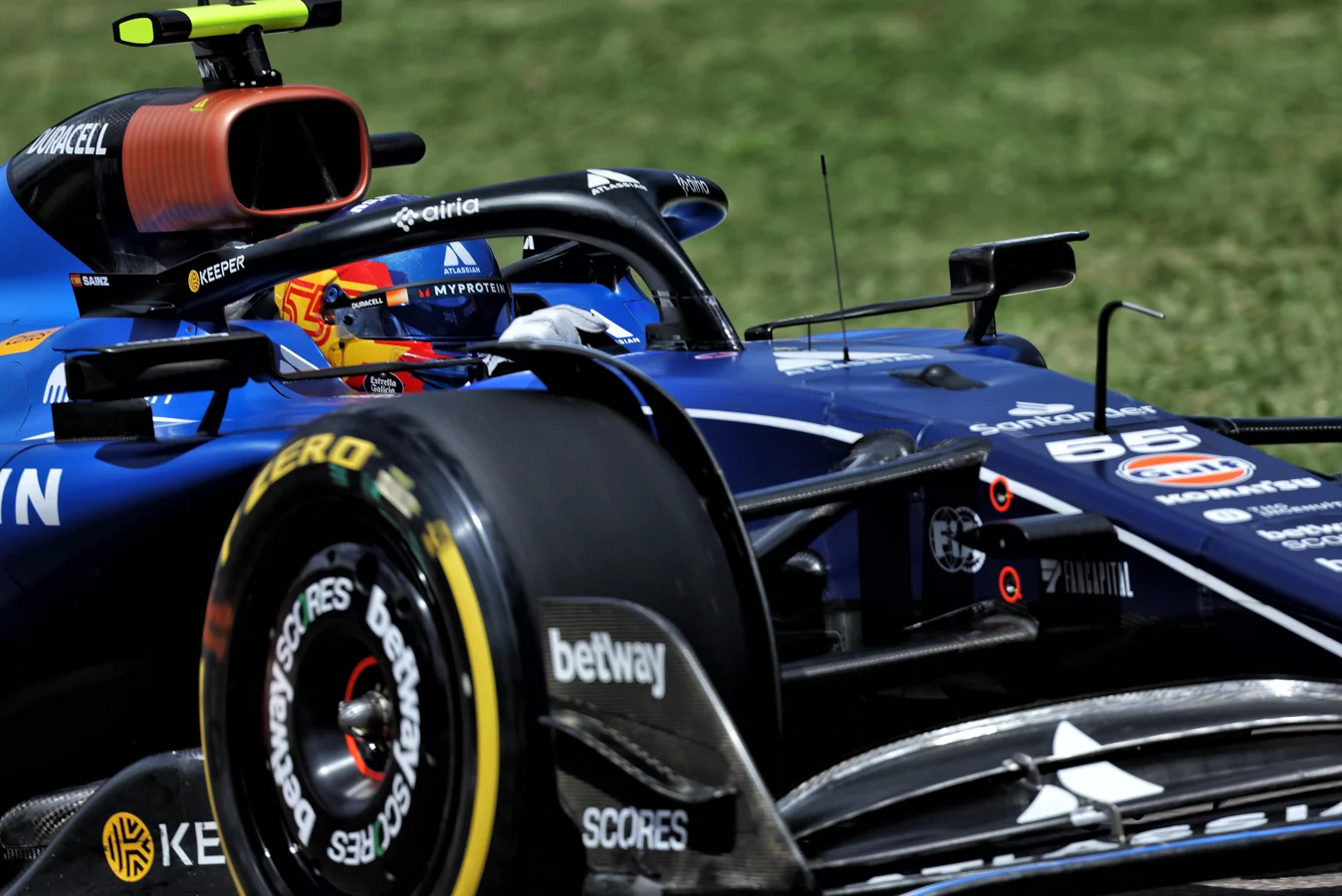
Sainz highlights increased randomness and potential team strategy issues
Williams driver Carlos Sainz expressed concerns about the amplified element of chance the two-stop rule brings. He noted that this change could create a bigger “lottery” effect, where unpredictable factors heavily influence the result, especially for those not starting on pole position.
“There’s an element of lottery that Monaco can always offer. I think this year that element is going to be a bit bigger given the two-stop rather than the one-stop,”
Sainz said.
He observed that while most drivers beyond pole position welcome the rule, the pole sitter might be frustrated since the increased unknowns could jeopardize a traditionally advantageous starting spot. Sainz also voiced anxiety about how teams might manipulate race pace in favor of their teammates to exploit the new regulations.
I’m just a bit worried of teams playing a bit too much with the pace to help the other team-mates. I hope there’s not too many gimmicks with that.
—Carlos Sainz, Williams driver
Midfield drivers face persistent challenges despite new rule, says Nico Hulkenberg
Sauber’s Nico Hulkenberg responded cautiously when asked if the two-stop mandate might create opportunities for midfield drivers to capitalize on the unpredictability. He acknowledged the added variability but emphasized that starting position and track position remain paramount in Monaco.
“It is difficult to say and to predict,”
Hulkenberg commented, reflecting the uncertain impacts of the rule.
It can be. But I think it all depends on where you start, your track position at the time, the timing of things. But it definitely adds another variability into the race that can go your way or really against you, I guess.
—Nico Hulkenberg, Sauber driver
Implications for race strategies and viewer engagement
The mandatory two-stop rule at Monaco is a deliberate attempt by the FIA to break from traditional race strategies that have often resulted in processional racing. By forcing teams to incorporate an additional pit stop, the FIA hopes to encourage more overtaking opportunities and varied tactics, which could enhance spectacle for fans.
However, as highlighted by Sainz and Hulkenberg, this rule introduces greater strategic complexity and unpredictability, which may either increase excitement or cause frustration among teams and viewers who value driver skill over tactical roulette.
How teams balance tyre management, track position, and pit timing under the new regulations will be closely watched this weekend, and the resulting race outcomes may influence future decisions about mandatory pit stops on other circuits.
