
Carlos Sainz has opened up about the intense mental challenges posed by the Carlos Sainz Red Bull junior program, describing it as both draining and crucial in shaping top Formula 1 talent. Reflecting on his own experiences from his early days in the Red Bull driver academy, Sainz outlined how the relentless pressure and fierce teammate rivalries demand exceptional mental resilience.
Behind the Pressure Cooker of Red Bull’s Driver Academy
Sainz, who debuted in Formula 1 with Toro Rosso in 2015 alongside then 17-year-old Max Verstappen, revealed that the environment at the team known today as Racing Bulls was marked by constant internal competition. Drivers were under immense pressure to outperform each other, with failure potentially ending their F1 careers prematurely.
He explained how this culture fostered an atmosphere where each driver had to focus solely on beating their teammate.
“It was the opposite [to Williams],”
Sainz stated on the High Performance podcast.
“It was the year to prove yourself and only think about yourself. Try and beat Max, Max trying to beat me and see who is better.”
The stakes were clear: success could lead to promotion to Red Bull’s primary team, while failure meant being ousted from Formula 1 altogether. Sainz elaborated on this ruthless selection process, saying,
“If you win, you may go to Red Bull. If you manage to shine and not win, you stay in Toro Rosso and you stay in F1 and you make a career. If you get destroyed or you lose, you are out of Formula 1.”
He also described Toro Rosso as a proving ground where team chiefs Helmut Marko and Christian Horner placed two promising drivers head-to-head to decide who would advance.
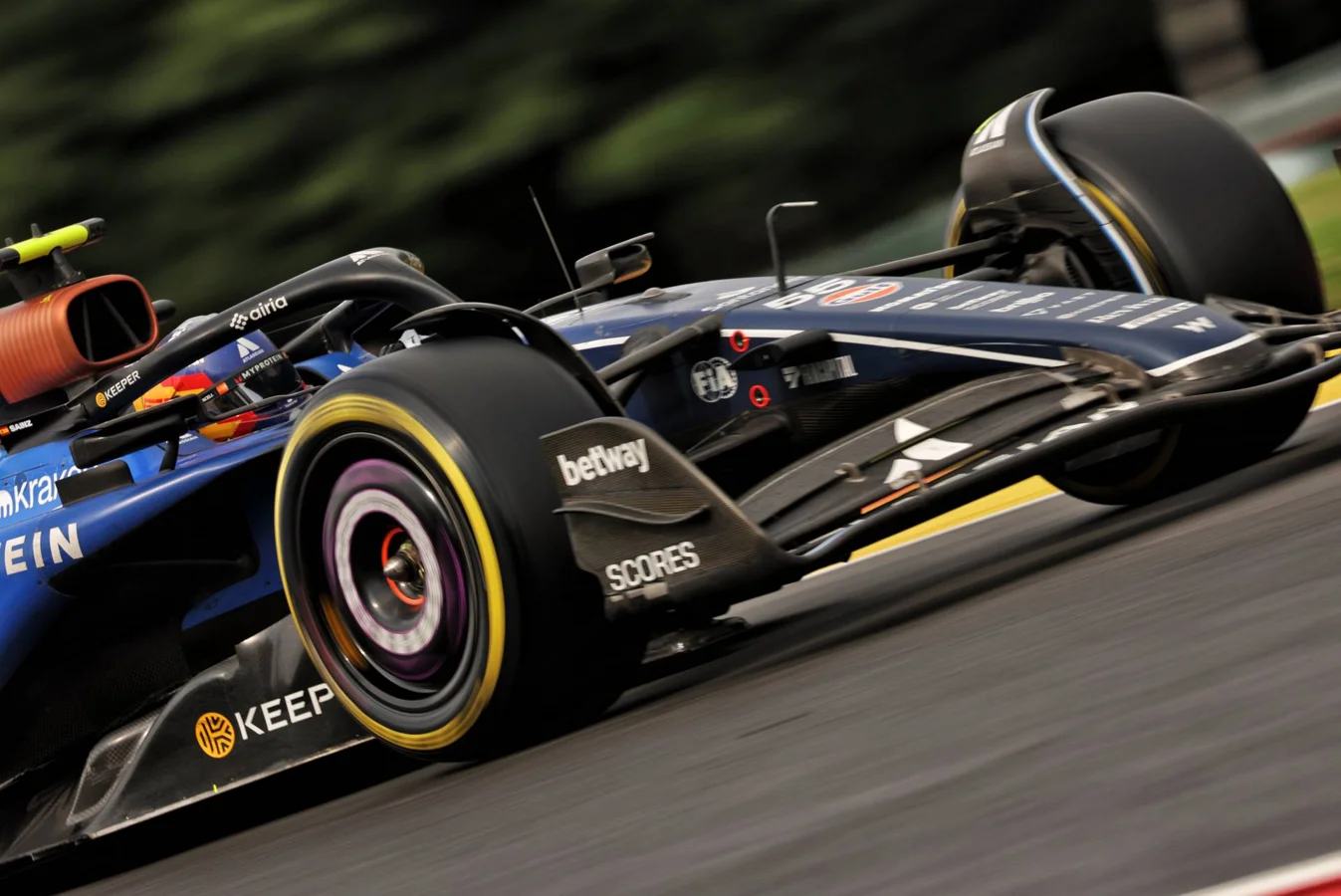
“The atmosphere we were put into at Toro Rosso was to lock horns with Max immediately. I love Toro Rosso, I love that team but that team up until recent years has always been a playground for Helmut Marko and Christian Horner to put the two drivers there, see who is better to jump to Red Bull,”
Sainz said.
The Impact of Fierce Rivalries on Young Drivers
Red Bull’s junior programme carries a reputation for being unforgiving, routinely dropping drivers who fail to deliver under high pressure. Despite this, Sainz believes the system succeeds in its purpose of preparing drivers for the challenges of a front-running Formula 1 team.
“No criticism because that team works well,”
he stated.
“It delivers great drivers to Formula 1. It did with Sebastian [Vettel], it did with Max.”
He mentioned the continued progress of younger talents like Isack Hadjar and Liam Lawson, highlighting that the academy still fulfills its role effectively.
According to Sainz, the core of this program is the inevitable conflict between teammates, especially when two rookies compete simultaneously.
“But the reality is that you are always going to lock horns with your teammates there. Especially at a time two rookies at the same time, like we were, Max and me. We were always going to lock horns,”
he remarked.
Sainz recounted a defining memory from his rookie season at the Japanese Grand Prix, where despite the risks and limited significance of the session, he pushed hard to outpace Verstappen in wet conditions. This relentless desire to outperform was a hallmark of his approach during testing and practice sessions.
“It was probably the most intense years of my life,”
he recalled.
“Like I remember so many things of that year that were so intense.”
He described how both he and Verstappen, at 19 and 16 respectively, handled the extraordinary mental demands that come with competing at the highest level so early in their careers.
His competitive mindset extended to every practice session:
“Every session, every FP1, we were going for it like crazy! For me, FP1 was qualifying already. I wanted to beat him in every FP1, every FP2, every FP3.”
He detailed taking risky maneuvers during his first wet session ever in Formula 1 at Suzuka, pushing the limits on the intermediate tyres while aquaplaning just to prove he was faster than Verstappen.
“FP1 in Suzuka, full wets, go out on intermediates tyres, aquaplaning like crazy, just to try and show that in the first wet session of my life in Formula 1, without knowing the track, I was quicker than Max, and vice versa,”
Sainz said.
Despite the thrill of such moments, he acknowledged looking back with a more cautious perspective:
“Now, I think about FP1s, I’m like, ‘build the laps’.”
Mental Endurance and Growth from Red Bull’s Demanding Culture
While reflecting on his experience, Sainz was honest about how exhausting the process was but emphasized its positive effects on his growth as a driver.
“It was honestly exhausting. But it was nice exactly what builds you. That level of competitiveness, that level of pressure, it builds you. I wouldn’t change it. I would still do it all over again. I think it did me a lot of good things,”
he concluded.
This insight underscores the psychological toughness needed to survive within Red Bull’s development system and succeed at the pinnacle of motorsport. For Sainz and many of his fellow drivers, enduring such pressure is a necessary step toward honing the skill and mental fortitude required in Formula 1’s elite ranks.
As the Red Bull junior program continues to identify and forge new talent like Hadjar and Lawson, its demanding approach remains a defining feature of how future champions are made, for better or worse.
