
Carlos Sainz has sounded the alarm about the dangerously brief Formula 1 offseason recovery time, warning that the transition between the 2025 and 2026 seasons leaves drivers with little opportunity to heal both physically and mentally. As the focus keyword “Carlos Sainz F1 offseason recovery” draws attention to his concerns, teams and athletes like Sainz, Lewis Hamilton, and Liam Lawson face mounting pressure as F1’s relentless pace compresses the winter break.
Short Offseason and Demanding Schedule Draw Scrutiny
Sainz, the Spanish driver for Ferrari, has voiced significant worries about the F1 calendar as it edges deeper into December, narrowing the break between seasons to a mere couple of weeks. He underscored the severity of the issue, stating,
“We’re looking at a couple of weeks off, but it’s not enough for what the body and mind need,”
Carlos Sainz, Driver. Many in the paddock share this sentiment, highlighting a growing concern for driver welfare amid escalating demands.
The 2026 season stands as a pivotal moment, with significant changes to chassis and power unit rules for all teams. Private tests at the Circuit de Barcelona-Catalunya in late January are set up to prepare for the official pre-season in mid-February, but these crucial preparations drastically cut into the window for rest. After the season finale at the Abu Dhabi Grand Prix, drivers were promptly required to participate in a Pirelli tyre test, testing out compounds for 2026. Most full-time drivers, including Sainz, took part, illustrating the immense expectations placed upon them.
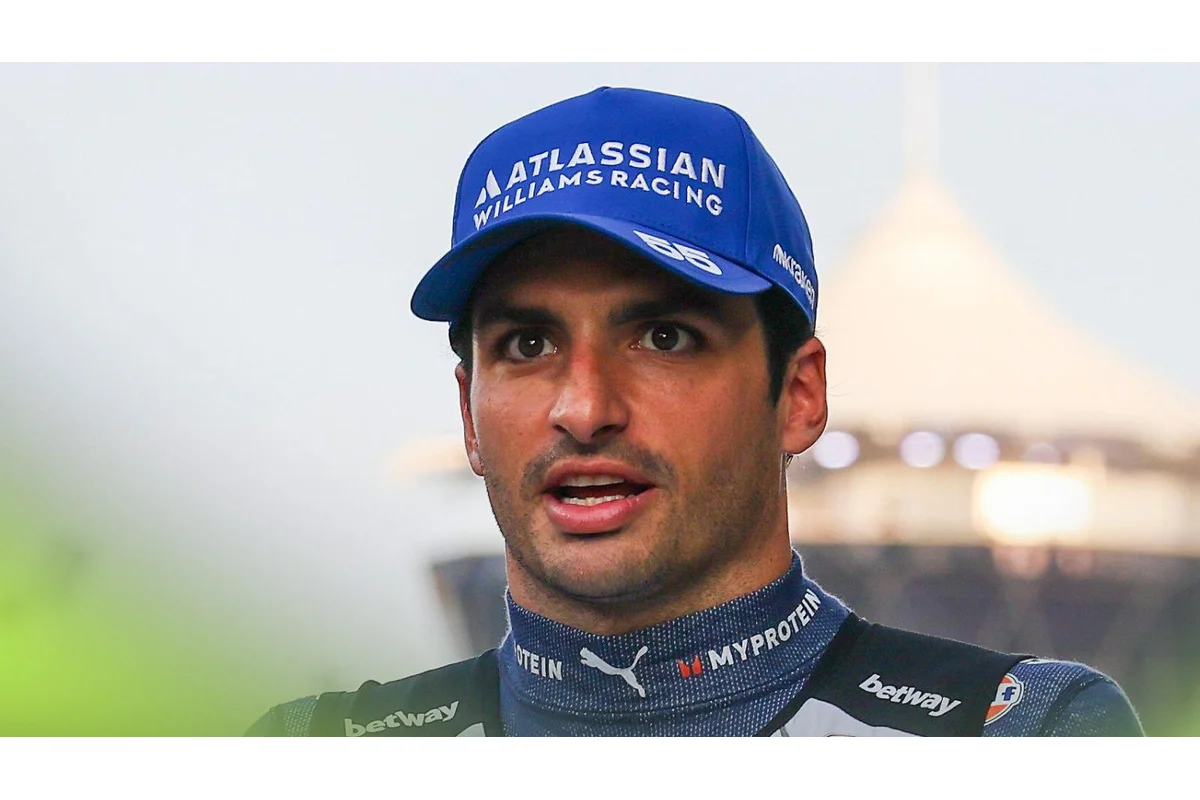
Testing Windows Leave Little Space for Rest and Recovery
Sainz explained the importance of the limited testing available, remarking,
“We have a test on Tuesday, which I always consider important, because there’s no testing nowadays, so it’ll be an important test to assess 2026’s final tyres,”
Carlos Sainz, Driver. The value of each rare opportunity to gather data on new tyres is paramount, yet comes at a cost—extended time away from recovery periods crucial for longevity and health in this high-intensity sport.
Broader Impact: Other Drivers Feeling the Pressure
The toll is not exclusive to Sainz. Lewis Hamilton indicated his commitment to begin training before Christmas, aiming to prepare for the demanding season ahead. Similarly, Liam Lawson supported Sainz’s concern about starting the new year under pressure from the outset. With the calendar leaving almost no downtime, drivers face persistent stress to remain at their peak performance, straining both their bodies and minds. Sainz’s poignant reflection on this reality continued:
“It’s the same for everyone, and I’m gonna maximize it, to try and come back stronger,”
Carlos Sainz, Driver.
Implications for the Future of F1 Driver Well-being
Sainz’s outspoken critique highlights a broader shift in Formula 1’s culture, as the sport heads into a transformative era marked by technical innovation and increasing competition. Despite the thrill of change and anticipation around the upcoming major regulation overhaul, a pressing question remains—will Formula 1 leaders respond to the health concerns of its athletes before the situation worsens? The lead-up to the 2026 season becomes a crucial test not only of engineering prowess but of the sport’s ability to address the well-being of stars like Carlos Sainz, Lewis Hamilton, and others who keep the spectacle alive. As teams and drivers brace for what lies ahead, the spotlight on Carlos Sainz F1 offseason recovery shines brighter than ever, demanding industry-wide reflection and potential change.
