
Carlos Sainz joined Williams ahead of the 2025 Formula 1 season, following Ferrari’s signing of Lewis Hamilton to replace him. Although Williams still trails Ferrari in outright performance, Sainz expressed strong confidence in Team Principal James Vowles’ long-term vision, which has powered Williams to a significant improvement this year. Vowles recently explained the strategic and operational changes that helped the Grove-based team achieve their biggest progress since 2017.
James Vowles arrived at Williams before the 2023 season after departing Mercedes, where he was the Motorsports Strategy Director. At 46 years old, he was recruited by Dorilton Capital, which assumed ownership of Williams following several difficult years marked by poor results.
Williams ended the 2022 championship in last place, but in 2023 they climbed to seventh. The previous year was especially challenging due to the car exceeding weight limits and parts scarcity, notably when Alex Albon damaged the chassis during the Australian Grand Prix.
Coming into 2025, the combined efforts of Carlos Sainz, Alex Albon, and James Vowles have transformed the team’s prospects. Currently fifth in the standings with 70 points, Williams has scored its highest tally in an F1 season since 2017.
James Vowles details strategic improvements behind performance gains
With Carlos Sainz and Alex Albon collaborating successfully on the track, Williams has become the leading team behind the frontrunners. Vowles outlined how internal processes and operational enhancements contributed to this success.
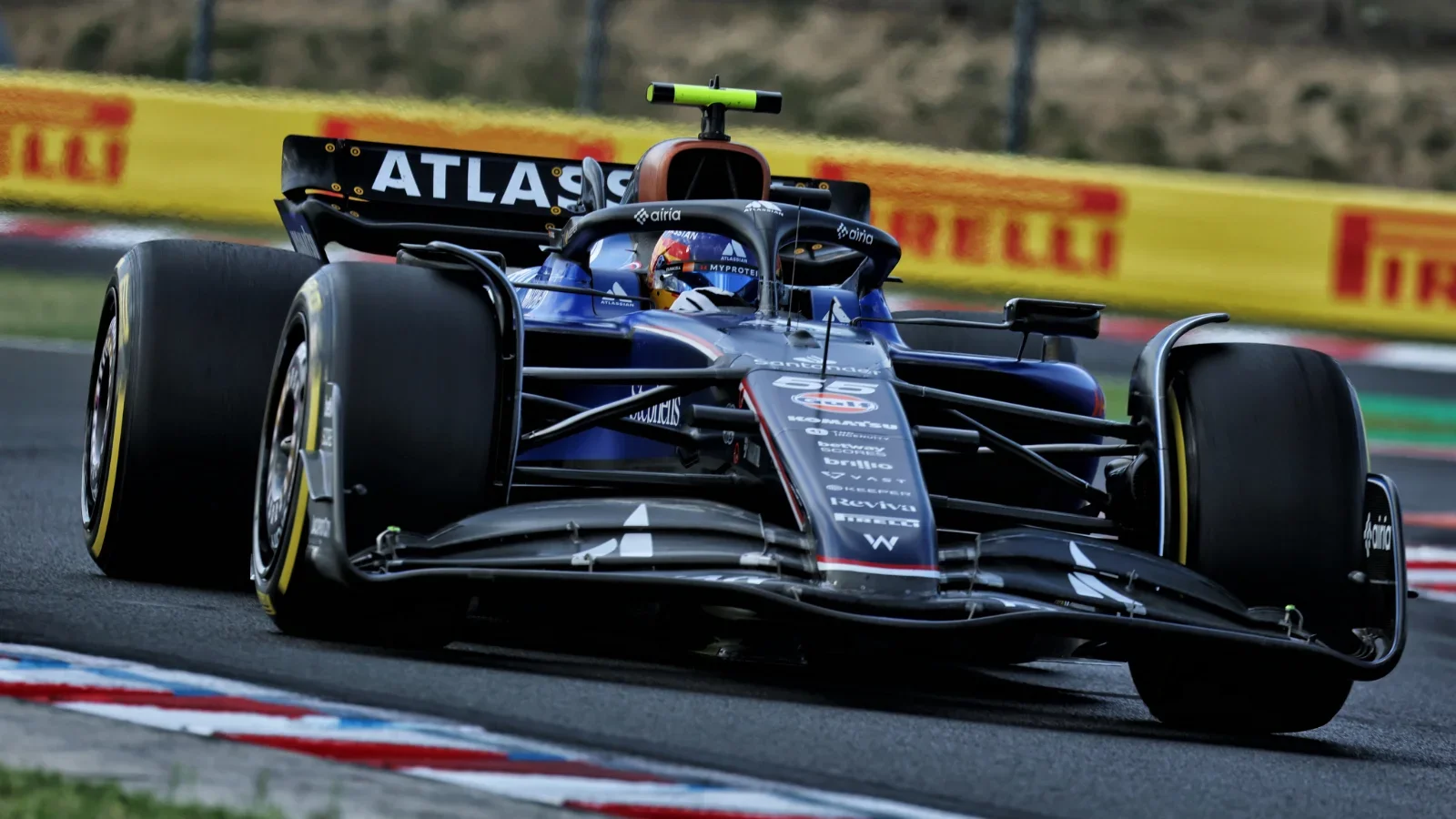
“One of the biggest fixes we’ve been putting in place for the last 24 months is making sure we can deliver from what we call concept or cradle to grave, but from concept to track as quickly as possible at the right cost level. And that’s one of the biggest changes. And you can see that with this year’s car. The car was on time. We had plenty of spares around us. We can develop multiple updates across the year.
“We’ve done multiple front wings, multiple packages. That’s a change if you look back at Williams’ history; that’s been one of the key changes. So on the weight limit, right product at the right time.”
Vowles’ approach focused on streamlining the development cycle and improving resource management. This allowed the team to deliver upgrades faster and maintain consistent quality while controlling costs. This shift marks a notable departure from Williams’ previous struggles with timing and availability of spares.
Last month, Williams secured Vowles with a multi-year contract extension, underlining the team’s commitment to his leadership as Formula 1 prepares to introduce major regulatory changes next year.
Challenges faced amid shift toward 2026 car development
While Williams has shown clear upward momentum in 2025, both Sainz and Vowles have acknowledged that focusing resources on the upcoming regulation changes for 2026 has impacted current car development.
F1’s 2026 rules aim to revolutionize car design, presenting an opportunity for teams to leap ahead. Vowles announced in 2024 that Williams would allocate significant effort toward preparing for this transformative season.
After a disappointing Hungarian Grand Prix, Carlos Sainz candidly addressed how this strategy affected Williams’ recent results.
“The problem is that I think we’ve fallen a little short on development. So, for the second half of the season, I’m probably just going to look for consistency with the setup, consistency with the car, and just making sure we run clean weekends,” said Carlos Sainz.
At Hungary, Alex Albon finished 15th, one lap behind the leaders, with Sainz placing 14th, without the pace to challenge the top midfield teams during that weekend.
Significance of the step-up and outlook for Williams
Williams’ current standing as fifth in the championship with 70 points represents a major rebound rooted in strategic overhaul and tighter operational control. Carlos Sainz’s confidence in James Vowles’ leadership underscores the importance of clear planning and execution in F1’s fiercely competitive environment.
The team’s decision to prioritize the 2026 car development shows a long-term vision, although it carries short-term risks in the current campaign’s performance. Maintaining consistency and reliability alongside measured development will be critical as Williams navigates the remainder of 2025.
Looking ahead, Williams aims to build on this resurgence, expanding the gains driven by their revamped strategy and preparing to compete strongly under the new regulations set to redefine Formula 1 racing starting next season.
