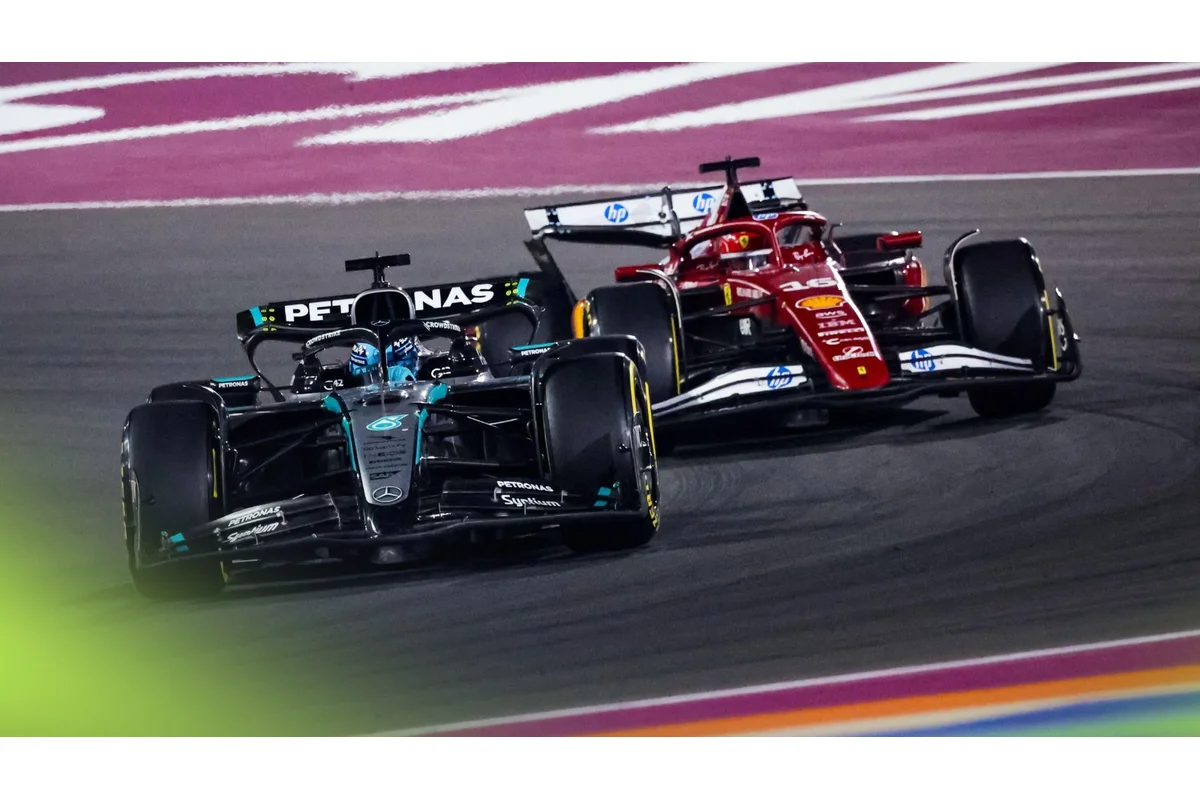
Ferrari driver Charles Leclerc has signaled a major change in attitude toward the new Formula 1 regulations coming in 2026, shifting from caution to optimism as the sport prepares for its most substantial technical overhaul in years. This transformation, highlighted by Leclerc’s direct engagement with the upcoming cars, marks an important moment in the Charles Leclerc F1 2026 reaction across the racing world.
A Change of Heart Regarding the 2026 Formula 1 Cars
Charles Leclerc, long celebrated for his skill behind the wheel, originally met the prospect of the 2026 Formula 1 cars with apprehension. These new vehicles will feature an equal partnership between electric power and combustion engines, a radical departure from the current design, challenging both drivers and engineers to rethink how to find competitive speed. After working with the simulator at Ferrari’s Maranello base earlier this year, Leclerc’s reservations became public, echoing concerns about the unknown territory that lay ahead. He admitted he was
“not a big fan of it for now,”
—Charles Leclerc, Ferrari driver—referencing the considerable shift in driving technique and car behavior expected from the new technical rules.
Finding Excitement in Innovation and Teamwork
The turning point for Leclerc came after his deeper introduction to the 2026 changes during a simulation session, where he began to view the new challenges as opportunities for growth and innovation. He told reporters,
Image of: Charles Leclerc
“I enjoy the challenge of thinking differently,”
—Charles Leclerc, Ferrari driver—illustrating his renewed enthusiasm for the upcoming season. This sentiment was reinforced as intense brainstorming sessions between engineers and drivers at Ferrari prompted creative strategies to draw the best out of the new cars, highlighting a sense of unity within the team.
Collaboration has since taken center stage in Ferrari’s preparations, with Leclerc emphasizing the group’s forward-thinking mentality.
“The process of really thinking as a group in what clever ways we can find to tackle some issues has been a very interesting process,”
—Charles Leclerc, Ferrari driver—forging a deeper partnership between the drivers and technical experts. This dynamic is crucial, as the unique technical split will not only alter how the car performs but also how drivers interact with their vehicles, requiring adaptation to groundbreaking tools and sensations.
Approaching 2026 with Cautious Optimism
As the 2026 season draws closer, the broader Formula 1 community is abuzz with speculation about how the competitive order could shift. Leclerc has observed that the nature of the races themselves may be transformed, noting,
“The fighting will be quite critical as well with other cars during the race,”
—Charles Leclerc, Ferrari driver—suggesting fiercer, perhaps more unpredictable on-track battles. Engineers at Ferrari, along with many other teams, are working intensively to prepare for these new dynamics, while other notable figures such as Toto Wolff and Fernando Alonso have shared their own forecasts and ambitions for the next era.
Despite his rising enthusiasm, Leclerc is reserving his ultimate evaluation of the 2026 Formula 1 cars until he experiences them outside the simulator. The first real test is scheduled to take place in Barcelona at the end of January, when drivers will pilot the reimagined machines on track for the first time. Leclerc made it clear that,
“For the enjoyable part of driving itself, I’ll have to wait and drive the real car before saying anything,”
—Charles Leclerc, Ferrari driver—underscoring the undeniable difference between virtual and real-world racing.
Significance for the Future of Formula 1
Leclerc’s evolving perspective mirrors the atmosphere throughout the Formula 1 paddock, as drivers like Fernando Alonso and teams including Aston Martin and Alpine look ahead to the radical transition with a mix of anxiety and excitement. Innovations developed in Maranello may inform strategies elsewhere, as engineers, drivers, and team leaders engage in intensive preparation, simulations, and brainstorming to master these challenging new machines. As the debut of the 2026 cars in Barcelona draws closer, all eyes are set on how the talents of Leclerc and his contemporaries will shape the dawn of F1’s next chapter. The Charles Leclerc F1 2026 reaction encapsulates the underlying tension, hope, and relentless drive that define the sport’s pursuit of progress and spectacle.