
Charles Leclerc, approaching 29 years old, enters the 2026 Formula One season at a pivotal point in his career, confronting a critical decision that could shape his legacy in the sport. With nearly a decade at Ferrari and several moments of brilliance, Charles Leclerc’s 2026 career crossroads will be dominated by the need to choose the right direction for future success on the track.
Assessing Leclerc’s Ferrari Journey and Achievements
For almost ten years, Charles Leclerc has been a central figure for the Ferrari F1 team, living the dream that many aspiring drivers share. Throughout his time, Leclerc has electrified the Tifosi, especially with two triumphant wins at Monza, the historic Italian Grand Prix venue. Despite those highlights, his overall statistics fall short of reflecting the remarkable potential and racecraft he has demonstrated since entering Formula One.
Leclerc’s consistency and speed have granted him a number of race wins and pole positions, but the absence of a genuine title challenge remains notable. His highest achievement came as the 2022 runner-up, yet he has never been in a season-long battle for the championship. Beginning to show frustration with Ferrari in 2025, Leclerc now faces 2026 with the realization that his next move could solidify his standing—or leave his ambitions unfulfilled.
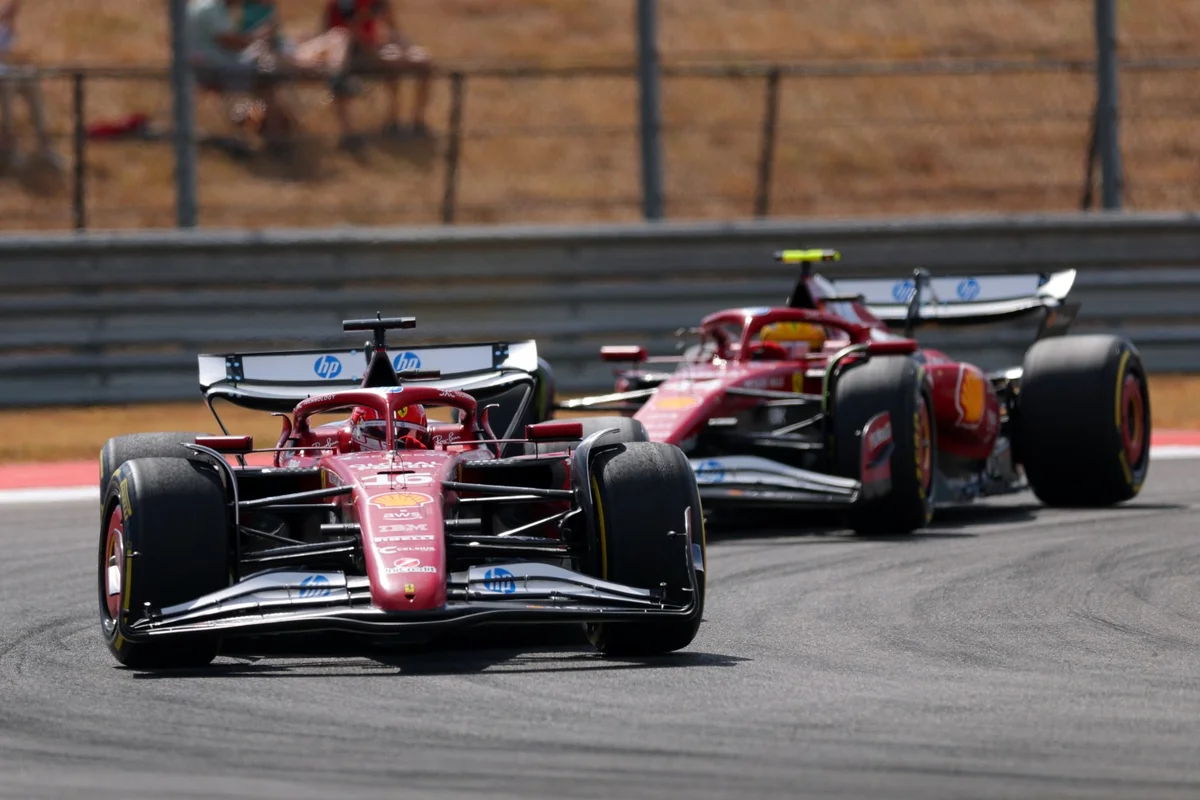
The Cost of Loyalty to an Underperforming Team
Charles Leclerc’s early years at Ferrari were marked by gratitude and exceptional promise, as he rapidly established himself among Formula One’s frontrunners. His maiden Monza victory as a Ferrari driver in 2019 was a breakout moment, cementing expectations that he would anchor multiple championship pursuits for the legendary outfit.
Year after year, Leclerc continued to voice his commitment to winning with Ferrari, signaling a determination to help the team reclaim its former glory. However, this fierce loyalty has possibly left him with limited progress, as his perseverance at Maranello has not yet delivered the title runs he and his supporters envisioned. Seven seasons on, Leclerc is still waiting for that elusive fight for the championship, suggesting that misplaced faith in Ferrari’s project may be costing him his prime years.
Aging Beyond the ‘Young Driver’ Label Amid a New Generation
As the 2026 season closes, Leclerc will be 29, with younger drivers such as Kimi Antonelli and Arvid Lindblad making their mark on the grid. While previously considered part of the sport’s emerging talent pool, Leclerc’s veteran status is now undeniable. The continuing emergence of new stars highlights the peril of lingering too long on an uncompetitive team, as age without championship results threatens to diminish his appeal and opportunities with top teams.
This generational shift in Formula One places added urgency on Leclerc’s career choices. Teams may soon prioritize youthful prospects, making it increasingly difficult for established drivers to secure leading seats if they lack recent, significant success. In this evolving landscape, Leclerc’s decisions over the coming season will be critical for maintaining his stature among rivals and teams alike.
Historical Parallels to Lewis Hamilton’s Crossroads
Leclerc’s current situation echoes the dilemma Lewis Hamilton faced in 2012. After winning the world championship as a McLaren driver in 2008 but failing to reclaim the title, Hamilton found himself at a decisive moment. Despite strong performances and a competitive car, he was unable to fight consistently for championships in the following years.
Much like Leclerc, Hamilton had to evaluate whether loyalty to his team would help or hinder his legacy. The decision to leave McLaren—his longstanding home—and join Mercedes was a gamble, but it ultimately redefined his career, leading to six additional world titles. Hamilton’s story underscores the transformative impact a well-timed change of team can have, serving as a reference point for Leclerc as he contemplates his own future.
Why Choosing the Right Team Now Matters More Than Ever
With sweeping new regulations debuting in 2026, the competitive order in Formula One is likely to shift, offering unique opportunities for teams able to adapt quickly. Historically, those who master new regulatory eras from the outset tend to maintain an advantageous position throughout the cycle. For Leclerc, the importance of aligning with a team that can capitalize on these changes cannot be overstated.
Leclerc’s decision in 2026 will not only influence his personal championship prospects but could also cement his place in the sport’s history—or see him struggle during critical years of his career. Choosing a team capable of consistent title contention may finally allow him to fulfill the promise he has shown since his debut. Alternatively, staying with the wrong organization could result in stalled progress just as a new generation of stars rises.
As Charles Leclerc stands at this defining career crossroads, the outcome of his 2026 season and the decisions he makes will resonate throughout his legacy in Formula One. The worlds of Ferrari, Mercedes, and the new wave of talent all intersect at this juncture, leaving the racing community watching closely to see if he can secure the success long expected of him.
