
NASCAR, widely recognized as a premier motorsport in the United States, has faced challenges in establishing a strong presence internationally despite its longevity and popularity at home. Historically driven by regional loyalties and heroic figures, the sport has struggled to replicate this success abroad. Now, with the upcoming race at Autódromo Hermanos Rodríguez in Mexico City just weeks away, Chase Elliott shares his perspective on what this significant event means for NASCAR’s global ambitions and his own racing experience.
The Racing Heritage and Elliott’s View on Track Legacy
Chase Elliott, a driver with Hendrick Motorsports, carries a legacy of racing excellence, being the son of Bill Elliott, a legendary NASCAR competitor. While Bill Elliott was known for his aggressive and fast-paced driving style, Chase adopts a more strategic and technical approach on the track. Despite their different racing techniques, Chase deeply respects his father’s accomplishments, especially his 2002 win at the Indianapolis track, which remains a meaningful milestone for him.
Responding to motorsports journalist Peter Stratta’s questions about Indianapolis, Chase stated,
“It means as much to me as anything on the schedule,”
highlighting the personal and professional significance of his father’s achievements alongside his own experiences.
Anticipation and Challenges of the Mexico City Race
Looking ahead to the 2025 Viva México 250 at Autódromo Hermanos Rodríguez, Elliott acknowledged that the race will present unique challenges due to the high elevation of the track. He described road courses as more physically demanding than oval tracks, requiring constant shifting, throttle control, and braking, emphasizing the intensity drivers face. With the Mexico City race presenting unfamiliar conditions, Elliott is committed to acclimating thoroughly to handle the physical and strategic demands it will impose.
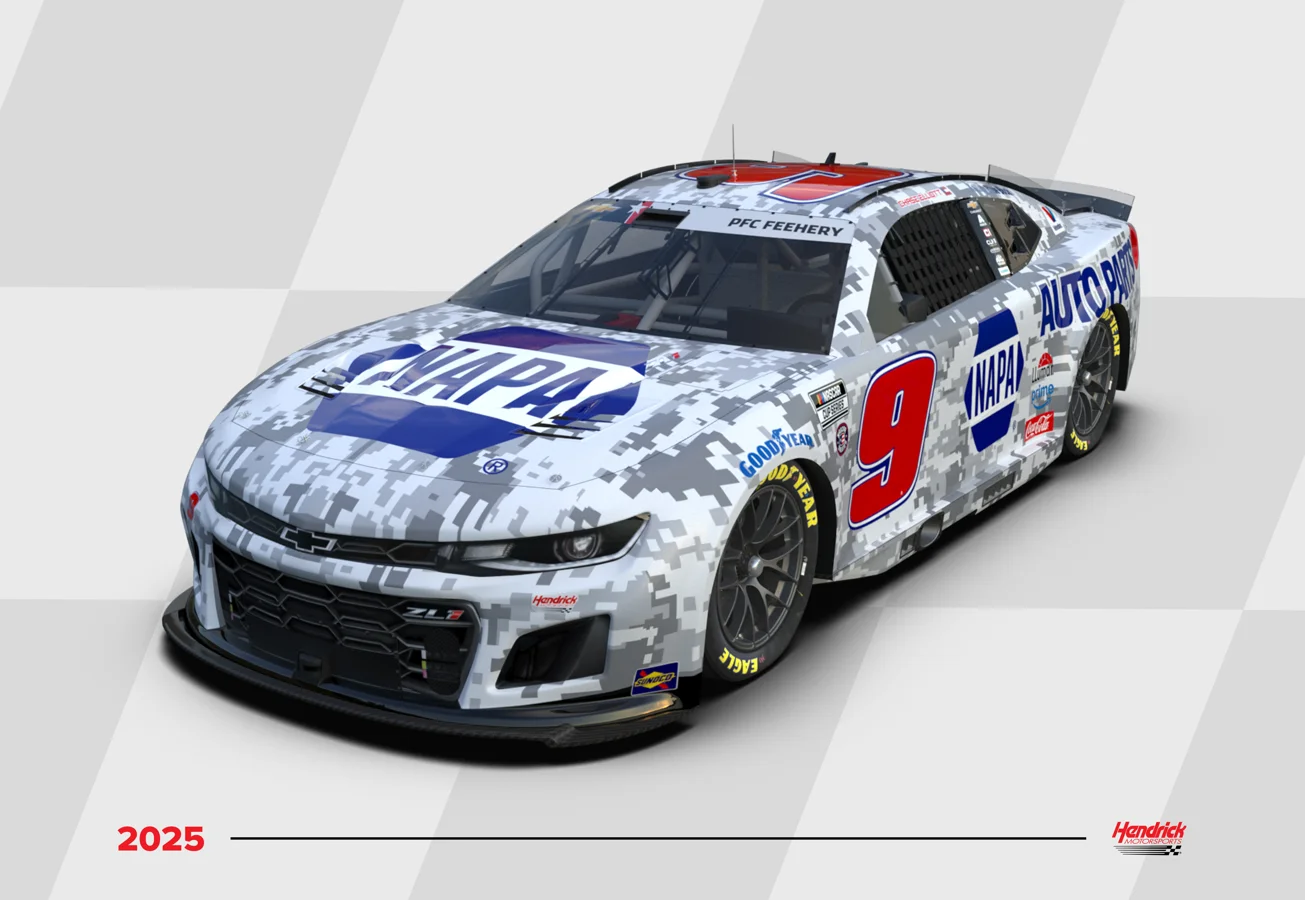
On the distinctive nature of this international event compared to standard NASCAR races, Elliott explained,
“Road courses are always more physical, in my opinion, than ovals are. You’re working a lot; shifting, plus, a lot of throttle and brake,”
demonstrating his focus on the technical aspects of the competition.
The Significance of Winning NASCAR’s Debut Events Abroad
When asked about the prestige attached to winning the first NASCAR Cup event on a new track, Elliott expressed a realistic view. He noted the uncertainty surrounding how long new races might continue on the calendar and stressed the importance of seizing such opportunities while they last.
He remarked candidly,
“You always wanna get it while you can,”
underscoring the fleeting nature of debut wins and their importance to a driver’s career.
Mexico City as a Strategic Experiment for NASCAR
Chase Elliott sees NASCAR’s foray into Mexico City less as just another race and more as a critical test to evaluate the possibilities of expanding internationally. He suggested that the event represents a trial to understand the logistics and fan response outside the U.S., highlighting the sport’s cautious but hopeful efforts to grow globally.
Discussing this experiment, Elliott said,
“I do think the Mexico City thing is seemingly a trial run to kind of see what racing outside the U.S. might look like and the logistics that go into it. So, I am as curious as everyone else,”
reflecting his blend of optimism and careful consideration regarding NASCAR’s future directions.
Promoting the Viva México 250 and Growing NASCAR’s Global Presence
Earlier in the year, Elliott joined fellow drivers Ryan Blaney, Christopher Bell, and Daniel Suárez on a promotional trip to Mexico, aimed at building excitement ahead of the Viva México 250. This outreach forms part of NASCAR’s broader strategy to capture new markets and diversify its fan base beyond the U.S. borders. As the race approaches, Elliott conveyed his enthusiasm for competing on this international stage and the opportunity it provides for the sport to explore new horizons.
