
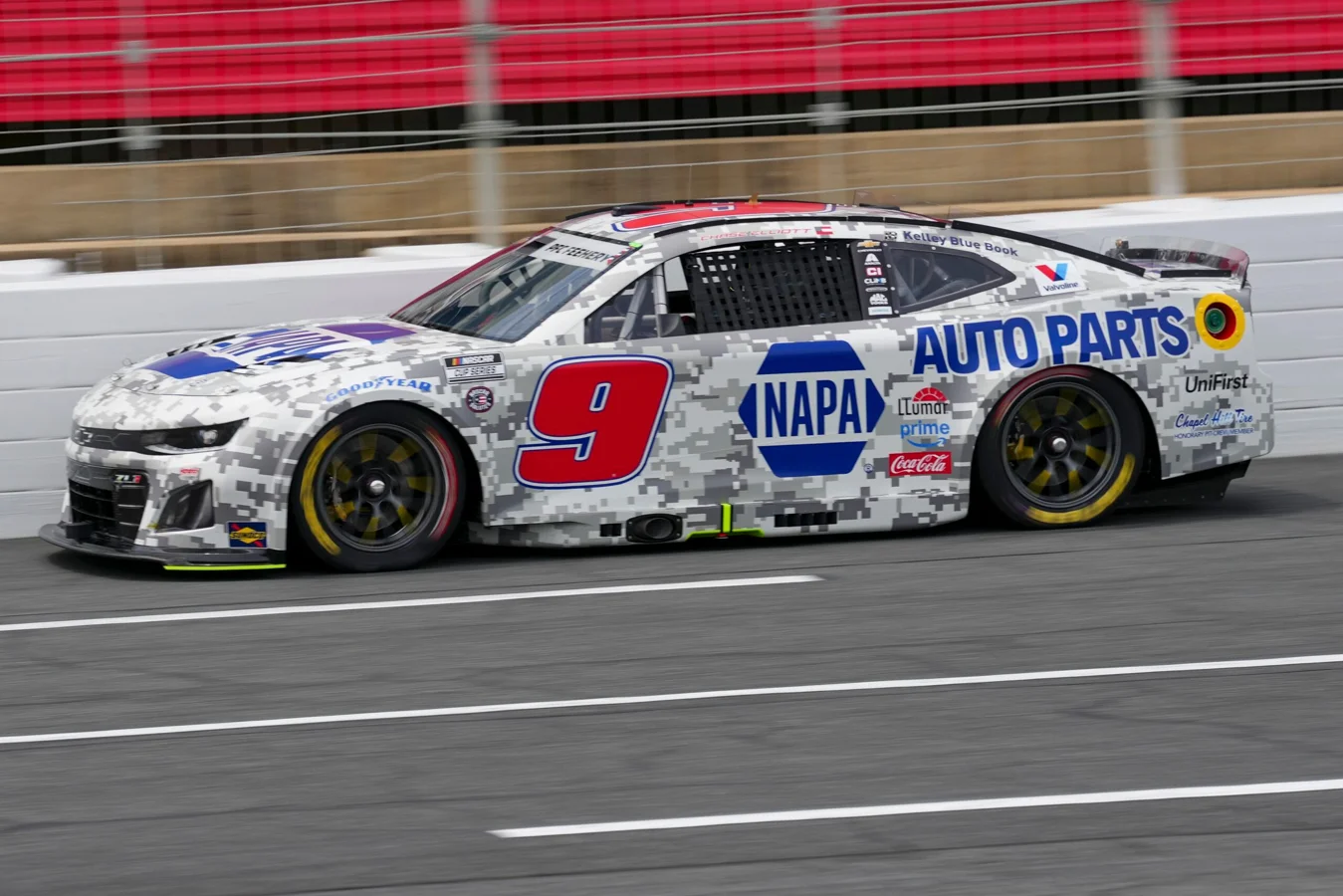
As the NASCAR world looks ahead to the upcoming race in Mexico City, driver Chase Elliott sees the event as a chance to perform well, though he recognizes the difficulty the course will present. The track’s combination of high altitude and demanding road course layout will test drivers’ physical endurance, mental focus, and ability to adapt quickly to unfamiliar conditions. Chase Elliott prepares for challenging Mexico City race conditions by focusing on these factors to maximize his performance.
Adapting to High Elevation Challenges
During a recent media interaction, Elliott addressed the preparation needed for racing at Mexico City’s elevation, which sits at 7,342 feet above sea level. This altitude introduces challenges such as reduced oxygen levels, which can impact both driver stamina and car engine output. Although Elliott acknowledged the differences, he admitted uncertainty about how deeply the altitude will affect him and his vehicle throughout the race.
He highlighted the increased physical demands of road courses compared to oval tracks.
“Road courses are always a little more physical than ovals are. Just from our standpoint, you’re working a lot: shifting and a lot of throttle and brake and all that sort of thing,”
Elliott stated.
With that being said, I know for one thing: When you go out west and you go climb a flight of stairs, it’s different than climbing a flight of stairs at home, right? And I think everybody can attest to that it’s been at a higher elevation.
—Chase Elliott, NASCAR driver
Physical Preparation and Strategic Acclimation
Aware of the potential effects of the altitude, Elliott has considered arriving in Mexico City early to better acclimate to the thinner air. This adjustment could prove vital as the race progresses. Though his initial focus was on the race’s heat, Elliott admitted later,
“I thought for Mexico, the biggest thing would be the heat factor of that race. I hadn’t really thought about the elevation.”
He further explained his limited prior attention to the physiological stress imposed by the elevation, saying,
I haven’t really taken that into consideration,
yet remains confident in his fitness routine, which includes weekly workouts and playing sports in hot conditions to maintain peak physical condition.
Reflecting on past race preparation, Elliott noted his approach before the Charlotte race, where he extended key preparatory efforts from two or three days to four. He suggested a similar strategy may be necessary for Mexico City, stating,
Mexico City probably needs to be looked at like that, especially the first time without any knowledge of it,
highlighting the importance of thorough readiness for the unfamiliar track environment.
Road Course Record and Emerging Competition
In road course events overall, Elliott holds a strong record with an average finish of 8.8 across 34 starts and has claimed seven victories since beginning his full-time NASCAR Cup career. This makes him the top active driver in this category. However, in the recent Next Gen car era, competitor Chris Buescher has edged out Elliott, achieving a 7.9 average finish in 16 starts, compared to Elliott’s 10.0 in the same period.
Implications for Upcoming Performance
Chase Elliott prepares for challenging Mexico City race conditions with a heightened sense of caution and focus, incorporating lessons from prior experiences and adjusting his routine to tackle the demanding altitude and road course complexities. How well he adapts could significantly influence his standing in the NASCAR Cup series and set the tone for future high-altitude races. With physical endurance, acclimation strategies, and competitive history all playing crucial roles, Elliott’s approach to this event will be closely watched by fans and rivals alike.
