
Christopher Bell has become one of NASCAR’s most formidable drivers this season, securing four race victories including the prestigious All-Star race. However, alongside his rising success, the 30-year-old racer has encountered a surprising surge of negativity from fans and peers. Bell, who rarely makes controversial statements, is puzzled by this change, especially since he was well-liked during his early years in junior categories. His current experience reveals how dominating performance can sometimes provoke undue hostility in competitive sports.
Bell stated that after reaching NASCAR’s premier level and becoming a frequent winner, the negativity toward him started to increase significantly. Despite maintaining a positive track record and generally good conduct on and off the track, the No.20 driver finds himself confronting criticism without clear cause.
Bell Reflects on His Sudden Shift from Popular to Unliked Figure
Christopher Bell opens up about how his image changed noticeably upon entering NASCAR’s top tier. Before that, he had almost universal support, but now he faces animosity from segments of the fanbase and fellow racers. Bell remains uncertain whether the issue stems from misunderstandings about his personality or if he has unwittingly alienated people.
“Nobody disliked me. Then you get into NASCAR, and I don’t know if it’s because people don’t know the individuals, or maybe I have changed and I’m just an a**hole, but I’ve definitely got people who don’t like me now.” —Christopher Bell, NASCAR driver
He emphasizes that the dislike is perplexing since it is not tied to specific incidents or statements, but seems more intangible, leaving Bell questioning why so many have turned against him without knowing him personally. This has created a confusing and uncomfortable environment for the driver.
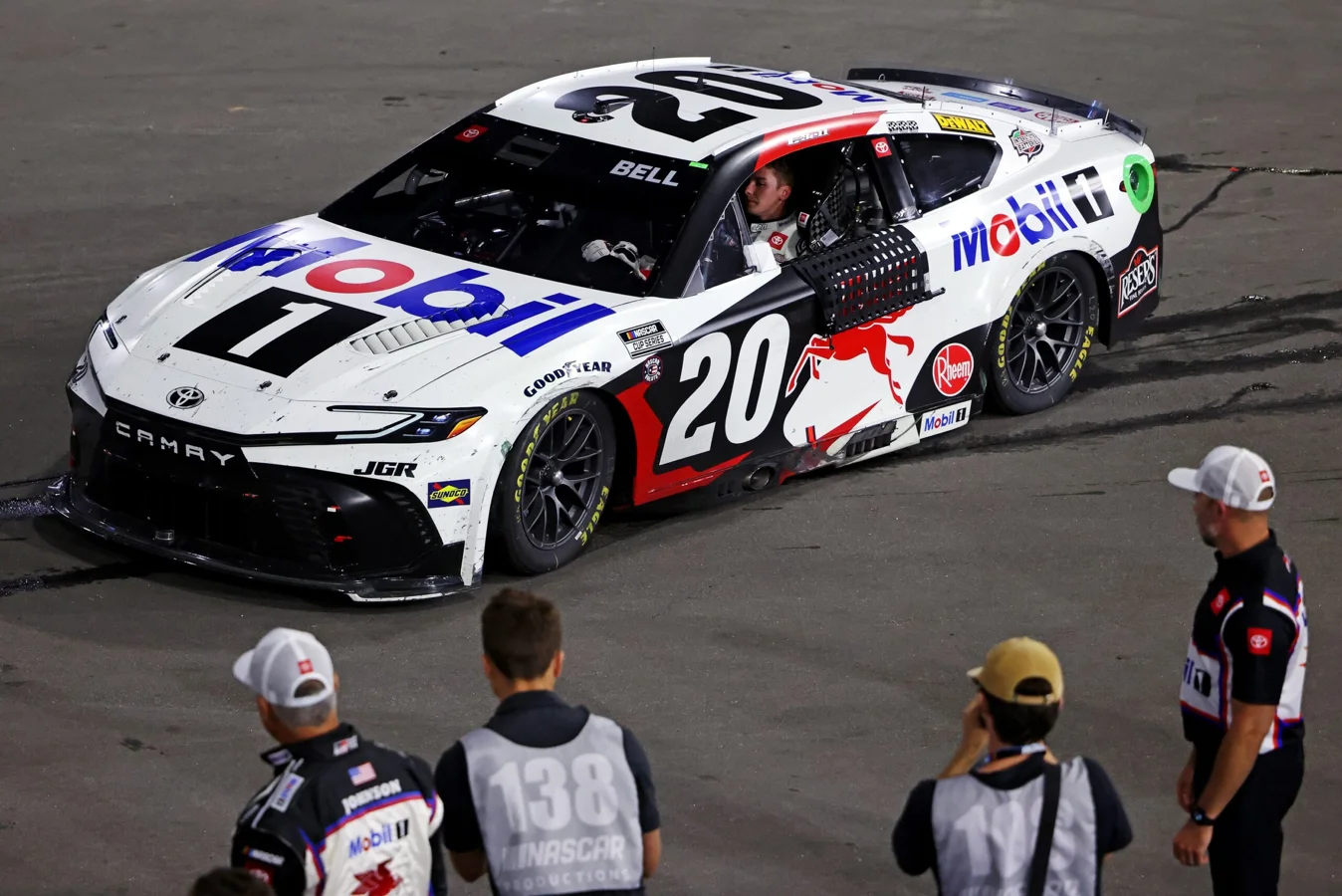
“I’m like, ‘I don’t understand how anybody could not like me.’ I never had people dislike me as a kid growing up, and now I do.” —Christopher Bell, NASCAR driver
Bell’s frustration highlights the emotional toll such unwarranted hate can impose, particularly on an athlete focused on competing and performing at his best. Despite this, he insists he has never intended to offend anyone, whether through winning races or on-track incidents.
How Gaining Confidence Helped Bell Express Himself More Openly
Earlier in his career, Christopher Bell was not as forthcoming about his opinions regarding his performances or challenges. Over time, however, he has grown more comfortable speaking openly while maintaining composure and professionalism. This evolution is largely attributed to increased assurance from his team and sponsors, which has empowered him to communicate more clearly.
“I know what changed, and it was single-handedly the confidence and commitment I got from my team and my sponsors. This sport is so tough because you’re scrutinized to the sharpest of margins. Whenever you have sponsors who are paying for you to race, you have to have these people, and you just don’t want to say the wrong things. You don’t want to get in trouble.” —Christopher Bell, NASCAR driver
Bell explains how the pressures of NASCAR require careful attention to public statements, especially because sponsors provide vital support and expect professionalism. This environment has shaped his approach, allowing him to balance honesty with diplomacy as he advances his career.
Current Standing and Prospects Amidst Ongoing Criticism
In the 2025 NASCAR season, Christopher Bell holds third place in the drivers’ standings, trailing the leader by just 80 points. His strong performance has already secured him a playoff berth, putting him in a solid position to compete for the championship. However, this success also means that the criticism and dislike from some fans may continue or even intensify if he ultimately claims the title.
Despite the mixed reactions, Bell’s competitive drive remains undeterred as he focuses on delivering consistent results and representing his team, Joe Gibbs Racing, and sponsors to the best of his ability. The hostile response from some quarters, while distressing, underscores the challenges that come with prominence in NASCAR’s fiercely competitive landscape.
The Broader Impact of Public Perception in Competitive Racing
Christopher Bell’s experience reflects a wider phenomenon where athletes who excel often face polarized public opinion. Dominance on the track can lead to resentment because it limits opportunities for others, but it can also stem from fans’ personal biases or misunderstandings. For Bell, navigating this terrain requires not only technical skill but emotional resilience to withstand scrutiny and negativity.
As Bell continues to make his mark in NASCAR, how he manages this growing dislike may influence his career trajectory and mental wellbeing. His candid acknowledgment of these challenges sheds light on the pressures drivers face beyond just racing, highlighting the complex relationship between athlete performance, fan support, and public perception in modern sports.
