
NASCAR has reignited the discussion surrounding horsepower upgrades, drawing renewed attention to the short track racing package in the Cup Series. Christopher Bell has cautioned fans and the community not to expect too much from a potential horsepower boost, even as pressure grows for changes that could improve race dynamics.
Recently, NASCAR’s senior vice president of competition, Elton Sawyer, confirmed that the possibility of raising horsepower is actively under consideration. Sawyer revealed,
It’s on the table. Working closely, I know John Probst [senior vice president of innovation and racing development] had a conversation with our engine builders to see what we could do, how that would look, and what changes would need to be made.
This signals possible modifications to the current short track package, which has faced criticism for stifling competitive passing during races.
Analyzing the Impact of Increased Horsepower on Short Track Racing
Mike Forde, NASCAR’s managing director of communications, discussed the topic on the Hauler Talk podcast, mentioning,
It was something we proactively brought up to have a further discussion of improving the short-track package. Obviously, the drivers all embraced that topic and requested more and more horsepower.
The demand stems from frustrations with the existing package, which many feel limits the ability for drivers to overtake one another effectively.
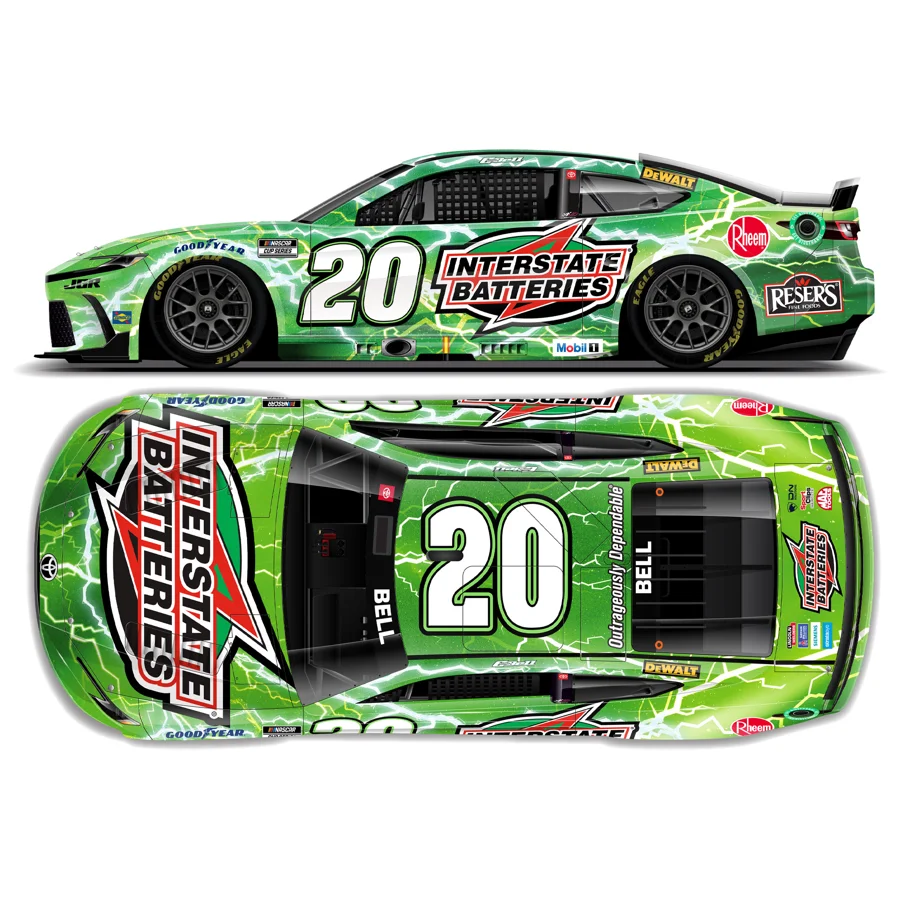
Reflecting on the recent Bristol Motor Speedway race, the event yielded only four lead changes, dominated by Kyle Larson who led 411 laps. This lack of passing has fueled calls for adjustments to encourage more on-track battles.
Bell supports increasing horsepower to enhance passing opportunities but urges fans to maintain realistic expectations about the overall impact. He cautioned,
Everyone needs to taper their expectations. Is more horsepower going to make us pack race at a short track? No, it’s not going to make us pack race at a short track. But more horsepower will allow the better cars to move through the field. And passing should be easier with the horsepower.
According to Bell, while a horsepower increase may make it easier for faster cars to navigate traffic and pursue the leader, it is unlikely to create pack racing similar to what is seen at Superspeedways, where cars run closely together to gain maximum speed. This is compounded by the next-gen car’s aerodynamic drag issues in those environments.
Understanding Different Perspectives on Racing Quality and What Horsepower Changes Mean
Bell highlighted that the perception of what makes a good race varies between fans, drivers, and the industry. Some viewers may find increased passing exciting, while others might not see it as a sufficient improvement. He remarked,
The fan base’s perception of a good race is sometimes different than what the industry and the drivers feel is a good race. So whenever we talk about wanting more horsepower, I think it stems from a place of wanting to be able to pass better,
emphasizing the diverse views on racing quality.
The technical issues related to the spec car design, which enforces close parity across competitors, remain a challenge that horsepower alone cannot solve. Nevertheless, improving the ability to pass could increase competition by enabling leaders to better maneuver through traffic and allowing challengers greater chances to contest the lead.
Looking Ahead: The Uncertain Future of Horsepower Levels in NASCAR
Currently, the short track package features engines producing approximately 670 horsepower. The possibility exists to restore higher output levels reminiscent of the previous 900 HP era, but official decisions have yet to be made. How far NASCAR will push horsepower increases remains unknown, though ongoing conversations show a commitment to evolving the sport’s competitiveness.
The focus on horsepower adjustments underscores the governing body’s desire to address fan and driver concerns, aiming to reinvigorate short track racing while balancing the limitations imposed by existing car designs. Fans and participants alike will closely watch developments as NASCAR explores potential changes that could shape the future of Cup Series short track events.
