
Cody Ware has quickly developed a sense of ease at Bristol Motor Speedway despite having only three combined starts at the notoriously demanding track. The 29-year-old driver from Greensboro, North Carolina, has managed to find comfort racing on the challenging high-banked, half-mile oval, a feat that often requires much more experience to achieve.
Ware’s introduction to Bristol came in April 2018 during a NASCAR Xfinity Series race with Mike Harmon Racing. His debut in the NASCAR Cup Series at Bristol arrived more than four years later, where he finished 17th at the 2022 Bass Pro Shops Night Race, signaling his growing capability at this venue.
Reflecting on Bristol’s Unpredictable and Grueling Race Conditions
Despite feeling more comfortable at Bristol, Ware acknowledged the unpredictability and difficulty the track presents. His most recent race at Bristol, the Food City 500 held five months ago, ended with a 36th-place finish, underscoring the track’s unforgiving nature.
Bristol is 500 laps of chaos no matter if it’s on a sunny afternoon in April or under the lights on a Saturday night in September,
Ware said.
To be able to walk out of Bristol with a good result is always very rewarding, because you know how hard it is to achieve.
—Cody Ware, NASCAR Cup Series Driver
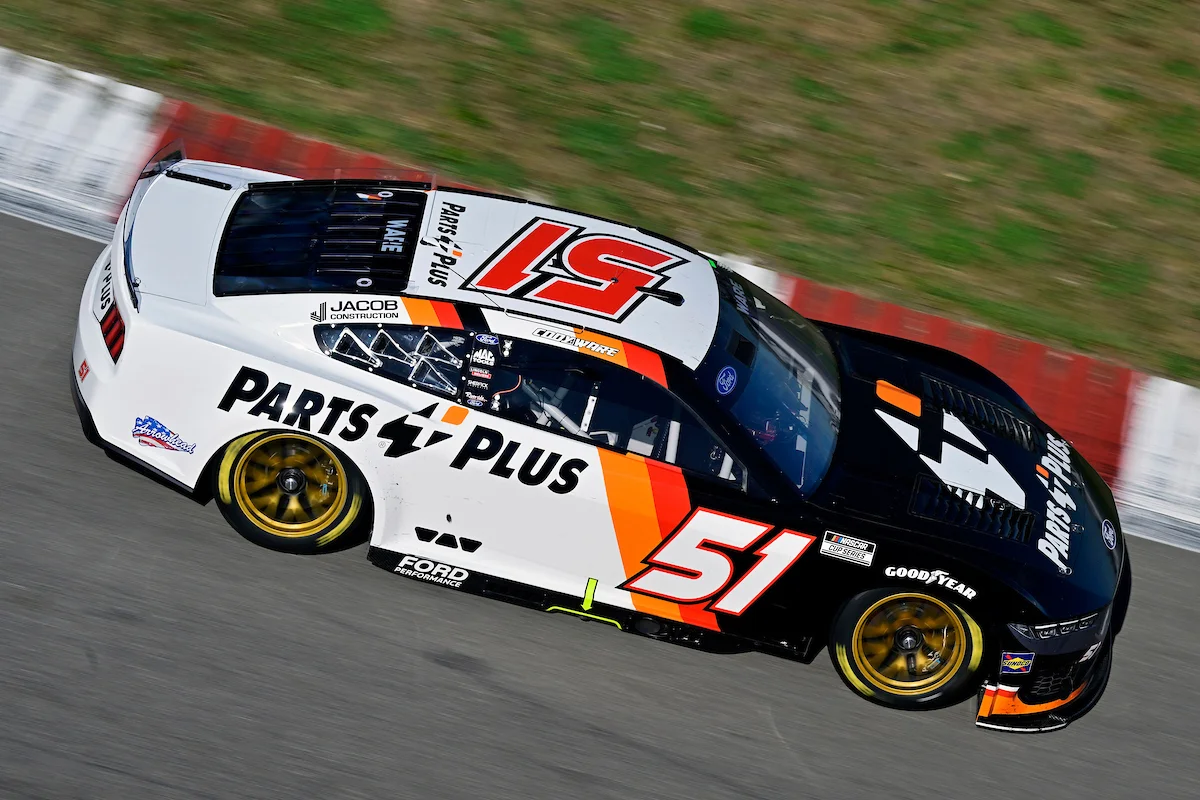
With its corners banked between 24 and 28 degrees, linked by short straightaways measuring about 650 feet, Bristol demands intense focus. Lap times hover around 16 seconds, requiring drivers to maintain sharp mental stamina and consistent execution throughout the race.
The Mental Challenge of Racing at Bristol
Even though the distance at Bristol is not very long – a little more than 266 miles – 500 laps there is a long time,
Ware pointed out. He emphasized that maintaining a high level of concentration from start to finish is crucial, explaining how drivers must be “laser-focused on hitting your marks” while staying adaptable to changing track conditions.
Bristol is not like a traditional short track where the bottom lane is dominant throughout the race. You’re going to see people racing the middle line and the high line, and the track conditions are going to play a big part in that. You need to be on the wheel and stay ahead of those changing track conditions, and really pay attention to tire wear and what you’re feeling during the course of a run.
—Cody Ware, NASCAR Cup Series Driver
The variety of racing lines combined with evolving track grip makes Bristol a complex environment, challenging drivers to read the track and competitors continuously.
Physical Demands Inside and Outside the Car
Though Bristol is known for its aggressive racing, contact, and bent fenders, Ware explained that the physical toll inside the car is somewhat different than on other short tracks. The steep banking helps hold drivers in place due to vertical forces, which contrasts with the experience at flatter tracks like Martinsville.
With the banking at Bristol, it actually makes a race there a little less physical. You feel more vertical Gs at Bristol and that kind of holds you in place,
Ware said.
Martinsville is another short track – shorter than Bristol – but it’s flat with very little banking. To me, Martinsville is more physical than Bristol because you feel more lateral Gs there.
—Cody Ware, NASCAR Cup Series Driver
Although Martinsville’s lap times are about four seconds slower, the lower banking increases side-to-side forces, making it physically tougher in many respects. Bristol’s rapid lap times and fast-paced action require quick decision-making and heightened awareness.
Communication and Reaction Speed Are Crucial at Bristol
The rapid pace of Bristol means drivers and their spotters must be exceptionally alert. Calls and information transfer happen at breakneck speed, echoing the intensity of superspeedway racing at tracks like Daytona and Talladega.
Bristol is probably as mentally draining for the spotter as it is the driver,
Ware observed.
He’s got to keep you apprised of what’s going on in front of you and behind you because everything at Bristol happens so fast. We all have to be really heads-up because there’s not much time to react, so it’s like Daytona and Talladega in that regard. Being in tune with your spotter and both of us being on our A-game is crucial to surviving the race and being there for the checkered flag.
—Cody Ware, NASCAR Cup Series Driver
This close coordination between driver and spotter plays a vital role in navigating Bristol’s unpredictable environment and finishing the race competitively.
Preparing for the Upcoming Bass Pro Shops Night Race
Ware’s approach to Bristol continues with preparations for the upcoming Bass Pro Shops Night Race. Practice sessions and qualifying rounds, scheduled on Friday afternoon and evening, will be broadcast live on TruTV and SiriusXM NASCAR Radio. The race itself begins Saturday evening with flag-to-flag coverage from USA Network and SiriusXM NASCAR Radio.
After embracing Bristol’s physical and mental challenges, Ware is focused on refining his performance in hopes of achieving another strong result at one of NASCAR’s most demanding short tracks.
