
Colton Herta’s anticipated Formula 2 transition has sent ripples through the motorsport world, as the IndyCar standout seeks the final points needed for an FIA super licence and a potential Formula 1 seat. As he leaves the familiar ovals of IndyCar behind, Herta embarks on this pivotal chapter in Europe, setting the racing community abuzz with speculation and excitement.
Colton Herta’s Bold Move from IndyCar to Formula 2
Colton Herta, recognized widely as a racing prodigy, has built a remarkable reputation with nine wins in IndyCar by the age of 25. Now, his decision to pursue a position on the Formula 1 grid comes in the form of a daring leap—competing in the intensely contested Formula 2 championship. This step is not merely about changing series; it is a calculated strategy to finally secure the elusive super licence that previously denied him an F1 seat. After being blocked by the FIA’s points system in 2022, Herta now seeks both redemption and advancement by challenging himself in one of racing’s most demanding circuits.
The Stakes: Navigating Super Licence Barriers and New Rules
Herta’s situation is especially compelling due to recent adjustments in the FIA’s super licence points structure. Had these rules applied in the prior year, his 48 points from IndyCar success would have qualified him directly for Formula 1. However, with regulations unchanged for his case, his only viable route now runs through Formula 2. He will be racing for Hitech TGR and simultaneously acting as a development driver for the Cadillac F1 team, creating a complex but promising dual commitment in 2026.
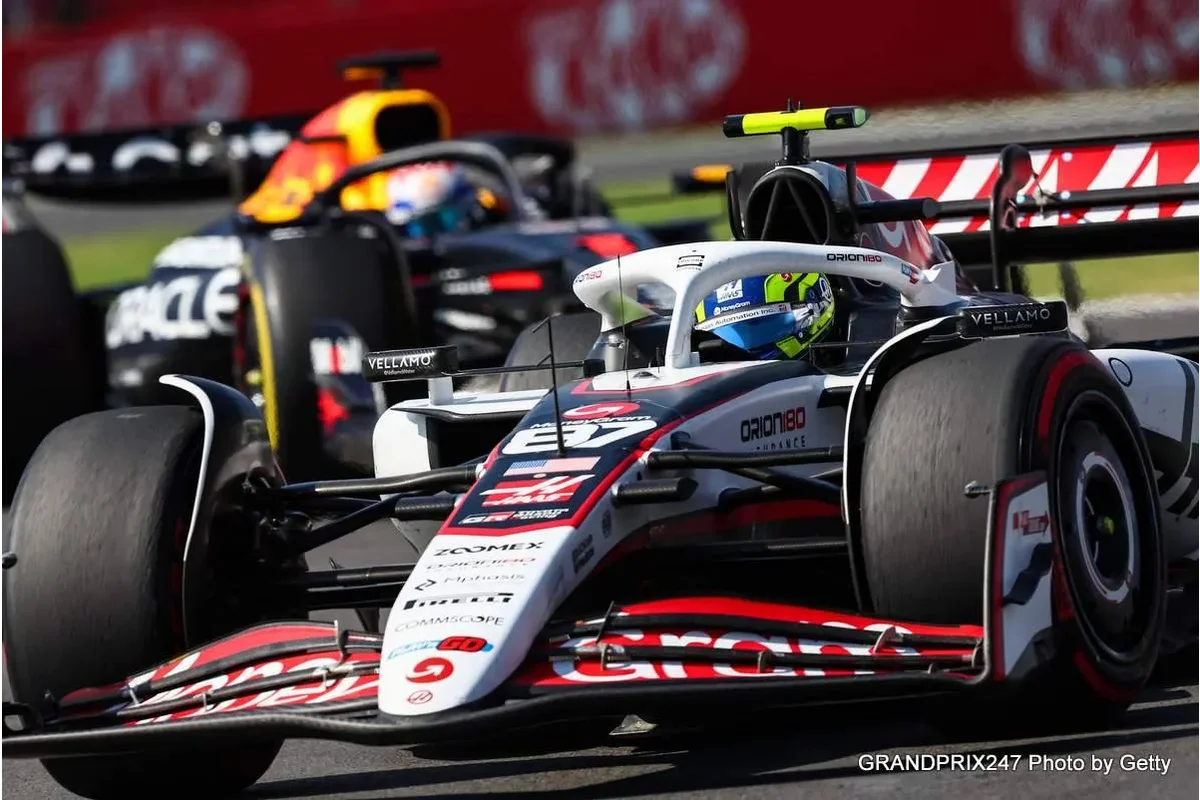
The grid he seeks to conquer is far from open: veterans like Valtteri Bottas and Sergio Pérez have inked multi-year agreements with Cadillac, complicating the path for new entrants. For Herta, the requirements are clear—he must accumulate just six additional points, the equivalent of finishing at least eighth in the F2 championship, to obtain his super licence. Though this target may appear straightforward, each race weekend poses intense pressure where the margin for error is slim.
Challenges Await: F2 Race Weekends and Unfamiliar Circuits
Bruno Michel, CEO of Formula 2, has spoken candidly about the unique obstacles Herta will soon face.
“The biggest hurdle will be adapting to the compressed and unforgiving structure of an F2 race weekend,”
Michel cautions. Unlike in IndyCar, where practice time is ample and the schedule more forgiving, Formula 2 compresses learning, testing, and competition into a rapid-fire format. Herta’s adjustment to this swift tempo will be crucial to his success.
Another major test comes in the form of the sensitive Pirelli tires used in F2, which often challenge even seasoned drivers. By joining the championship, Herta is stepping into a field of rising stars, many of whom—such as those fresh from FIA F3—have prior knowledge of the European circuits. Michel points out,
“The strong drivers learn the tracks extremely fast,”
emphasizing the steep learning curve awaiting Herta in unfamiliar European venues. For Herta, mastering new tracks and tire behaviors while contending with a fiercely competitive field will be a substantial part of his journey.
Eyes on 2026: Anticipation and Speculation Mount
As the 2026 season approaches, interest in Colton Herta’s progress is reaching fever pitch. The motorsport world is following every move, eager to see how this accomplished IndyCar veteran will adapt and compete in an entirely new environment. His dual role—racing for Hitech TGR and aiding Cadillac’s F1 ambitions—means that he is under close scrutiny not just from fans, but also from critics and established F1 names drawn into the unfolding narrative.
Legends and seasoned drivers like Nico Rosberg, Valtteri Bottas, Sergio Pérez, and Fernando Alonso shape the backdrop against which Herta’s challenge unfolds. As Herta battles for the top eight in Formula 2 and aims to cross the final super licence hurdle, his journey is as much about personal ambition as it is about the complexities and possibilities inherent in top-level motorsport transitions.
Should Herta succeed, he could become a trailblazer—bridging disciplines and altering the conventional path to Formula 1. With the spotlight firmly on him, and only six points standing between him and his goal, the motorsport community waits to see if he’s the next American driver to etch his name in F1 history. The upcoming season promises drama, unpredictability, and the relentless pursuit for the pinnacle of racing.
