
Colton Herta is set for a defining moment as he begins his highly anticipated 2026 Formula 2 season, marking a major shift in his career after leaving IndyCar behind. This pivotal move is driven by his ambition to reach Formula 1, placing the Colton Herta Formula 2 season under the spotlight, with the motorsport world eager to see whether he can meet the challenge.
Herta, a nine-time race winner in IndyCar, has joined Hitech for his sophomore journey into European single-seater racing. This decision follows his appointment as the first Cadillac F1 test driver and reflects his determination to secure a full-time Formula 1 drive. Michel Andretti’s earlier efforts to bring Herta onto the F1 grid through a Sauber buyout were unsuccessful, and a potential opportunity at Red Bull’s second team, previously known as AlphaTauri, also failed due to his lack of required FIA Super Licence points.
Now, with Cadillac preparing for its own Formula 1 entry, the stakes are even higher. Herta is arriving in Formula 2 as one of its most high-profile drivers, intent on earning the points needed for an FIA Super Licence and capturing attention in the Formula 1 paddock.
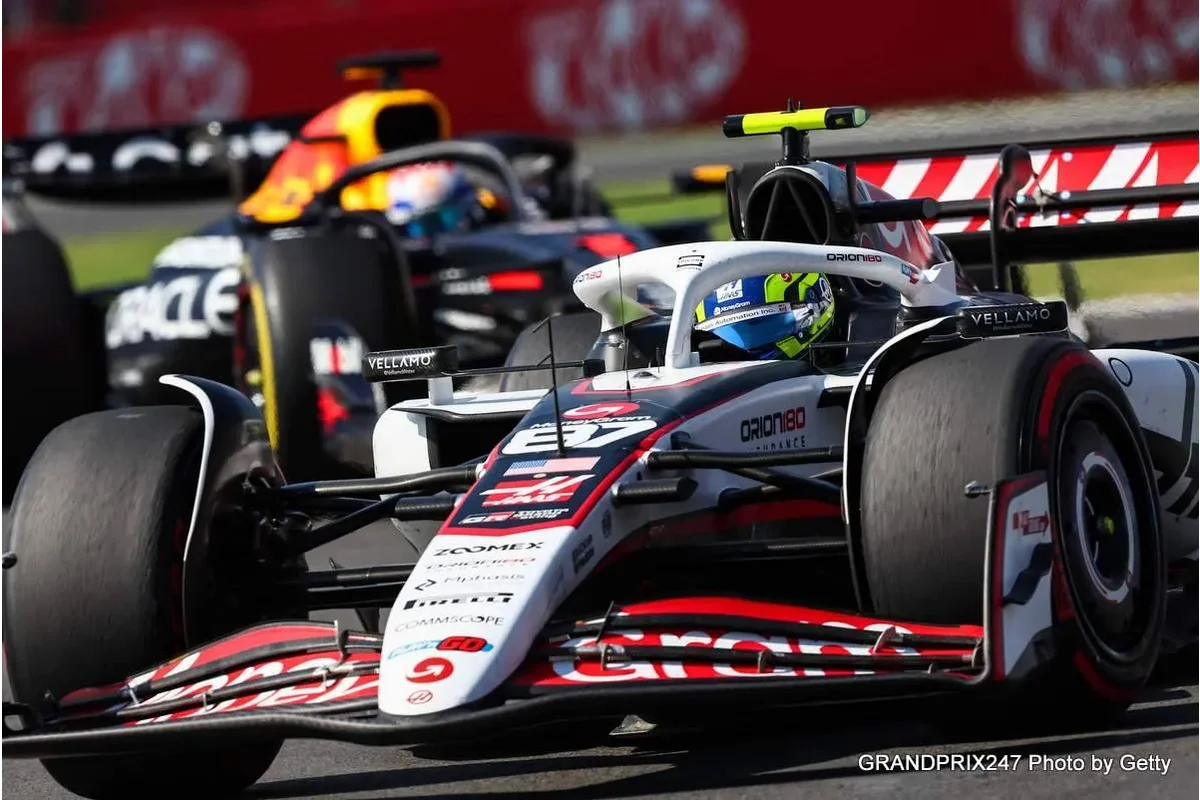
Experience and Adaptability: Herta’s Strengths According to F2 Leadership
Bruno Michel, CEO of Formula 2, emphasized several advantages Herta brings into his new endeavor. Drawing from his years of competition, Herta’s experience is expected to set him apart from other rookies.
“He’s an experienced driver, and that always helps. He’s been racing quite a lot,”
Michel began. – Bruno Michel, Formula 2 CEO
Michel elaborated on how Herta’s age and mileage could be significant assets as he adapts to the new environment. While many F2 entrants are much younger, Herta, at 25, already boasts considerable racing intelligence and developed racecraft. These traits could help bridge the gap to competitors who have more recent mileage in the European feeder series.
Another aspect working in Herta’s favor is familiarity with Dallara-built machinery. While the IndyCar and F2 cars differ in specification, they share a similar design philosophy and both compete in single-make series, offering a baseline of technical comfort for the American driver.
“So, all this is something that is going to be important for him, and it’s going to help him.”
– Bruno Michel, Formula 2 CEO
Facing Fresh Challenges on the Path to Formula 1
Despite these strengths, Michel and others acknowledge significant hurdles ahead. One of the prominent obstacles is adapting to the unique demands and condensed schedules of the Formula 2 weekend. In contrast to IndyCar, where drivers have more track time, F2 competitors must try to learn quickly with just a single 45-minute practice session before qualifying and weekend races.
“I don’t know how much track time you have in IndyCar, but I’m sure you have more than F2 or over a Formula 1 weekend.”
– Bruno Michel, Formula 2 CEO
The learning curve will also include mastering tire management, especially with Pirelli tires, which differ significantly from the Firestone compounds Herta is used to in IndyCar. Adapting to these characteristics will be vital across the season as tire strategy and degradation often decide race outcomes in the feeder categories.
Another potential disadvantage is Herta’s lack of experience in modern FIA Formula 3 machinery, which most top F2 drivers have used as a launchpad for their careers. While Herta once raced in British and Spanish Formula 3, the updated format and increased competitiveness of FIA Formula 3 mean that recent graduates arrive better prepared for the nuances of Formula 2.
“I would say that’s probably the easiest bit, because the strong drivers are learning the tracks extremely fast; they’re working on simulators, and then they get ready quite soon. But for sure, the environment is going to be very different.”
– Bruno Michel, Formula 2 CEO
Michel was candid about the difference this makes: modern Formula 3 serves as critical preparation for the unique rigors of F2 race weekends, and Herta’s absence from this feeder series means a larger adjustment period.
“And so he will have some advantages related to his experience, but some — I wouldn’t say difficulties — challenges that will be related to the format and the fact that drivers have been in Formula 3, understand the way it works over a race weekend — and Formula 3 is an extremely strong preparation for Formula 2, and he is not going to have that, that’s for sure.”
– Bruno Michel, Formula 2 CEO
Herta’s Perspective: Eager to Learn and Ready for the Unknown
Colton Herta himself has acknowledged the scale of transition he faces. Speaking on F1 TV about his preparation for the 2026 season, he described the return to European racing as a challenge akin to going back to school.
“There’s a lot of stuff that’s going to be new for me, but there’s a lot of stuff that I remember from my F3 days and my F4 days. It’s going to be exciting. It’s a big programme.”
– Colton Herta, F2 Driver and Cadillac test driver
He stressed that despite physical similarities, the driving techniques required for Formula 2 are quite different from those he honed in American series, especially in areas like braking, throttle application, and tire management. The process of rapidly adapting to a new car and style of racing, he says, will put his fundamentals to the test. Nonetheless, Herta remains enthusiastic about facing these unknowns and hopes previous lessons from junior European categories will be an asset.
Implications for Herta and the Pathway to Formula 1
Colton Herta’s Formula 2 journey is viewed as a defining step not only for his personal ambitions but also for American drivers aspiring to reach Formula 1. If successful, his route through IndyCar, Formula 2, and a potential Cadillac-backed entry in F1 could influence future prospects for North American talent. With the support of teams like Hitech and the endorsement of Cadillac, the motorsport community is watching closely to see if Herta can secure the FIA Super Licence points crucial for making the final jump.
For now, Herta’s mix of experience, existing technical expertise, and willingness to learn will be put to the test against the F2 field’s youth and preparation. His 2026 season could become a compelling case study on the effectiveness of American driver development and adaptability in the fiercely competitive world of international single-seaters. As Herta prepares for a year of opportunity and high pressure, the spotlight will be firmly on his performance and progress within the Cadillac-backed pathway to Formula 1.
