
Corey LaJoie shared his views on the contrasting dynamics between the Truck and Cup Series following Chandler Smith‘s unfortunate early exit at Darlington Raceway on August 30. LaJoie pointed to the Xfinity Series as the optimal balance, highlighting it as a model where drivers can continue racing despite some contact, unlike the more fragile Truck Series or the rigid Cup Series.
The Truck Series playoffs got off to a difficult start for Chandler Smith. Despite leading 10 laps and showing strong speed in the No. 38 Wheelers Ford F-150, Smith’s day was cut short after a slight collision with the wall ended his run prematurely. The incident sparked conversation regarding the resilience and design of the vehicles involved.
Matt Weaver, a motorsports reporter, brought up the issue on social media, asking fans whether they preferred a racing setup that punishes drivers heavily for minor mistakes or one that allows them to continue without severe consequences. Weaver posted,
“Want a vibe check. Do we want a car that punished you for hitting the wall or do we want a more forgiving platform that lets you drive away from the contact without consequence.”
In response, LaJoie emphasized the Xfinity Series as striking the right balance between the fragile Truck bodies and the very stiff Cup cars.
“There’s a middle ground. With how tight the fender openings are and how offset the tails are, truck bodies are too fragile. Cup bodies, bumpers and suspension are super rigid. Xfinity cars are about right because you lose a little performance with some contact but not a day killer,”
he said.
Despite his early exit, Chandler Smith remained optimistic about future races, focusing on upcoming events at Bristol and New Hampshire where he aims to recover lost ground. Ranked ninth in the current points standings, Smith hopes for changes in the Truck Series that would make the vehicles more resilient, similar to what exists in the Xfinity Series.
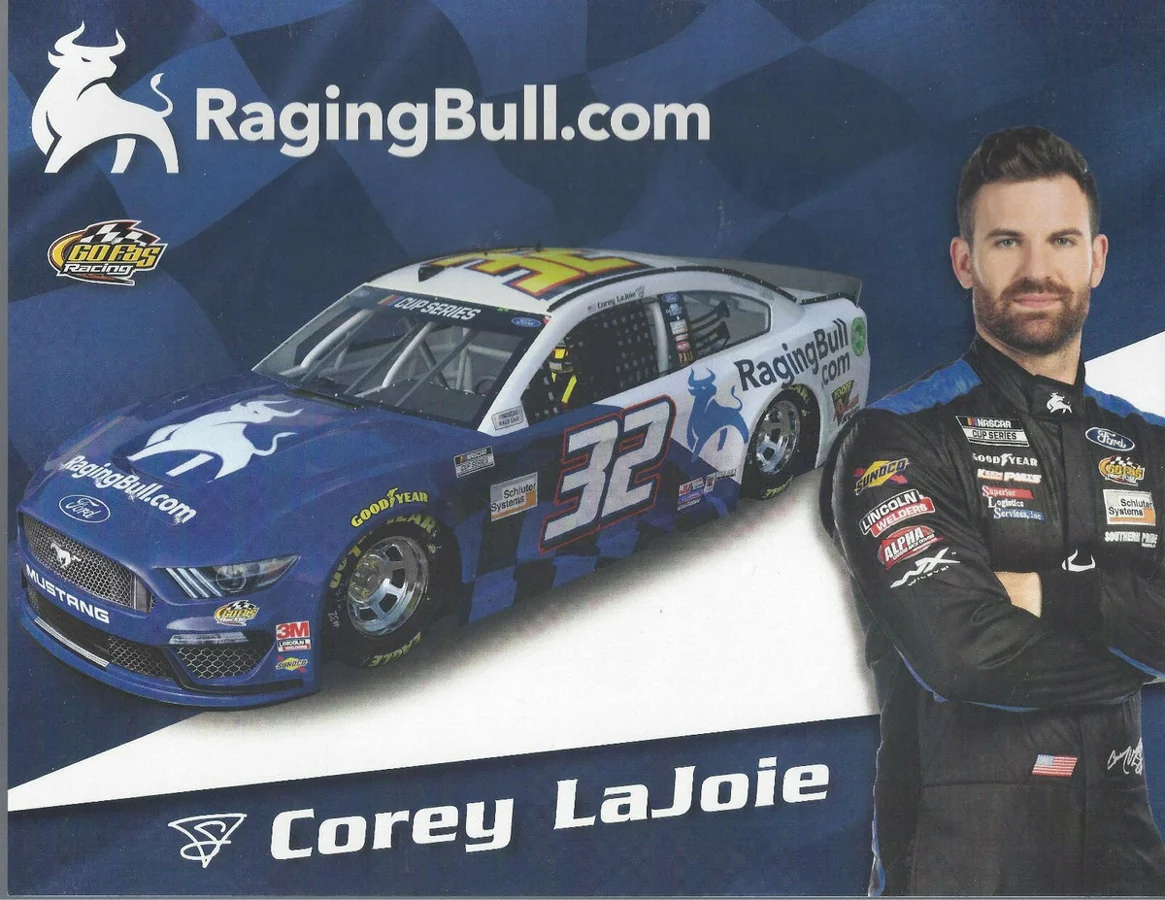
Corey LaJoie Reflects on Restart Penalty at Darlington Affecting His Finish
Corey LaJoie competed in his third Truck Series race of the 2025 season at Darlington Raceway, driving for Spire Motorsports. Starting ninth, LaJoie improved to sixth during Stage 2, but a late-race restart violation penalty with just 10 laps remaining derailed his progress. This penalty eliminated his chance for a strong finish, relegating him to 20th place.
LaJoie expressed frustration on social media, stating,
“Would’ve been 6th, got handed a bogus restart penalty with 10 to go. On to Bristol.”
This season, LaJoie took over the No. 77 Gainbridge Chevrolet Silverado after rookie Andrés Pérez de Lara moved from Spire Motorsports to Niece Motorsports. LaJoie began his stint with a solid fifth-place finish at Richmond Raceway. Initially slated to drive the No. 07 truck for nine races, including the final eight of the year, his schedule changed following de Lara’s departure and subsequent seat reshuffling.
LaJoie’s experience highlights ongoing challenges faced by drivers in the Truck Series, from vehicle durability to race penalties, contributing to broader discussions about the need for a more balanced and resilient race platform akin to the Xfinity Series.
As the Truck Series playoff battle intensifies, decisions about vehicle design and race regulations could significantly impact driver safety and competition levels in coming months. LaJoie’s endorsement of the Xfinity Series as a model underscores the tension between performance and durability that organizers will need to address to keep the sport competitive and fair.
