
The upcoming 2026 NASCAR season will introduce a significant shift by reverting to the original Chase format, responding to widespread fans’ demand for a full-season competition structure. This new approach eliminates the “win and in” era, instead rewarding consistent performance to determine the true champion, a change largely influenced by two prominent drivers, Denny Hamlin and Mark Martin.
How Denny Hamlin and Mark Martin Shaped the Playoffs Adjustment
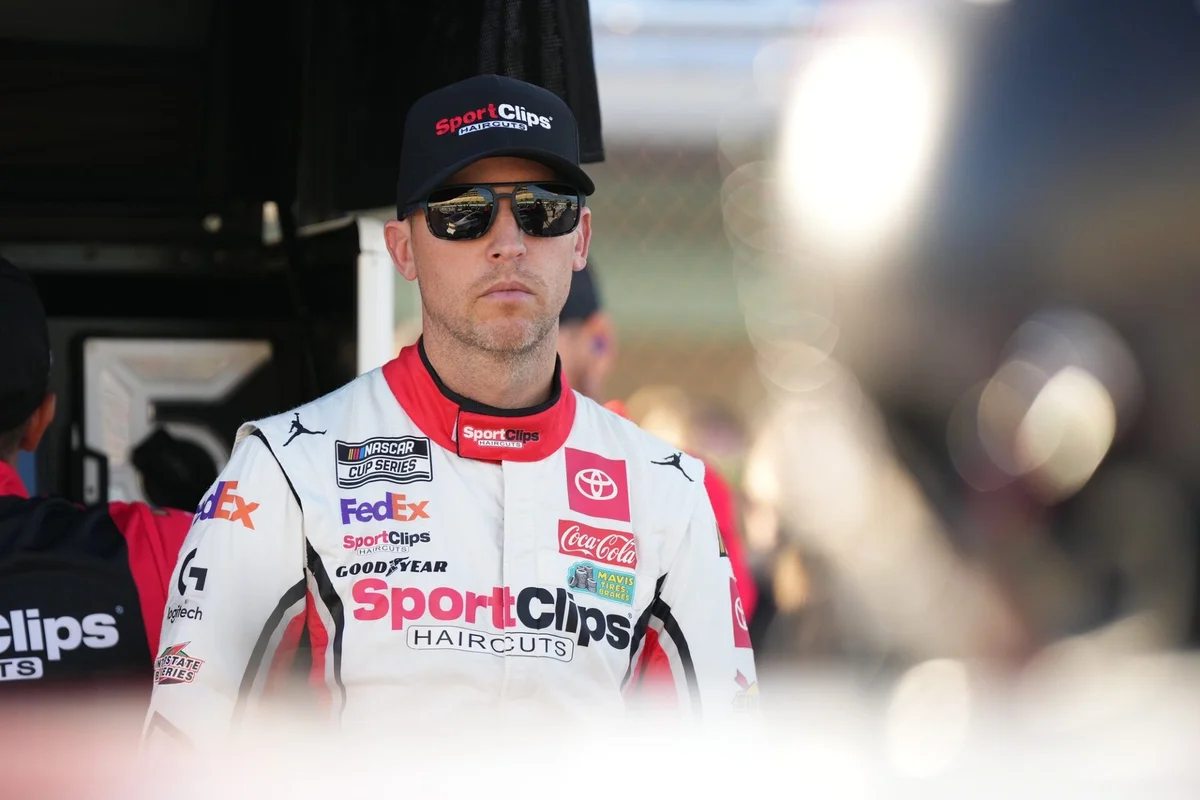
NASCAR president Steve O’Donnell credited Joe Gibbs Racing’s veteran, Denny Hamlin, along with Hall of Famer Mark Martin, as the most influential voices advocating for this format revision. Both drivers consistently expressed their views on various platforms, demonstrating their deep commitment to preserving the sport’s future.
“The two loudest voices I have heard in my career on formats are Denny Hamlin and Mark Martin. What I give those guys an extreme amount of credit for is that their job was to go out and win races, right? At the end of the day, they could say, ‘You guys figure it out.’ But they care. They care about the future of the sport. Seeing their passion and seeing their inputs have been hugely important.”
Steve O’Donnell told Peter Stratta of TSJ.
Hamlin and Martin, rather than focusing solely on their success on track, invested themselves deeply in discussions about the racing format’s impact. Their advocacy helped steer NASCAR toward rewarding season-long results, seeking fairness and competitiveness instead of isolated wins.
Ben Kennedy, NASCAR’s Vice President, emphasized Mark Martin’s critical role during the playoff committee’s discussions. He acknowledged Martin’s passionate and distinct perspective was key to shaping the final decision, noting the sport’s direction would have been different without his presence.
“He had a very particular viewpoint, and he was one of the loudest voices in the room. He was a large contributor to the format we came up with today. If Martin hadn’t been in that room that day, we would be announcing something different today, where consistency may not be this important.”
Ben Kennedy asserted.
Mark Martin’s Thoughts on the Return to the Chase Format
Mark Martin expressed visible enthusiasm during the announcement of the playoffs restructuring. He explained to the media that the previous playoff format failed to retain longtime race fans, which led to a decline in viewership from those most devoted to the sport’s traditions. The reinstatement of the Chase format aims to regain that lost audience.
“The whole idea of the playoffs was to bring more of those fans and it has failed. It did not bring in enough of those fans in to offset what we lost. The classic race fans, many quit watching, and Jeff Burton says we can’t get them back…He may be right but maybe we can get some of them back.”
Mark Martin said.
Martin acknowledged that any major shift in format risks losing some fans while potentially gaining others, but he believes this adjustment will nurture future generations of NASCAR enthusiasts. He highlighted that this can be accomplished without altering the core racing experience introduced in the Next-Gen era, maintaining the sport’s authenticity.
“I hope we can get enough of them back to at least offset the ones that were watching just for the sparks and the flames because it’s racing…If we can get fathers watching races with their kids, or grandfathers and their grandkids, that’s how we cultivate new fans. We don’t have to necessarily go out and change our on-track product as they call it. Let’s be who we are.”
Mark Martin added.
Implications of the Playoffs Format Change for NASCAR’s Future
By reinstating the Chase format with an emphasis on consistency rather than just wins, NASCAR is seeking to restore a competitive balance that reflects the entire season’s effort. Denny Hamlin’s and Mark Martin’s influence underscores the sport’s willingness to listen to veteran racers and adapt to fan feedback, aiming for long-term growth.
This change carries broad significance for the fan community, as it may recover lost supporters who valued traditional racing dynamics. Meanwhile, drivers and teams will need to adjust their strategies to thrive under the revised system that favors steady results over occasional successes. The upcoming championship battles promise to test these adjustments and reveal how well the sport can unite legacy fans with new audiences.
As NASCAR prepares for the 2026 season kickoff, all eyes will remain on how this new format performs amid evolving competition and fan engagement. The commitment of key figures like Hamlin and Martin sets a precedent for continued dialogue between drivers, officials, and supporters in shaping the future of NASCAR.
NASCAR President Steve O’Donnell says O’Reilly and Trucks will both shift to Chase formats as well.
Details here: #NASCAR pic.twitter.com/M9doPgP4Jk
— Peter Stratta (@peterstratta) January 12, 2026
