
NASCAR unveiled its first electric vehicle prototype at the Chicago Street Race in July 2024, placing its sustainability ambitions firmly in the public spotlight. The debut of this prototype has ignited debate across the sport, but Denny Hamlin on NASCAR EVs expresses deep skepticism about whether the fanbase is prepared to accept such a dramatic change to the racing tradition.
NASCAR Introduces Electric Prototype to Mixed Reactions
The rollout of NASCAR’s EV prototype served as a demonstration of the sport’s interest in environmental responsibility and technological innovation. While this project is in the early, experimental phase, it triggered heated conversations among both industry insiders and fans about what the future of NASCAR might look like. The prototype stands as a symbol of NASCAR’s vision for a possible eco-friendly direction, but the pathway is far from settled, especially in a sport renowned for its roaring engines and high-octane drama.
Denny Hamlin Weighs in on Fan Sentiment
Denny Hamlin, a widely recognized figure in NASCAR, discussed the implications of introducing electric cars to the series during an appearance on the Digital Social Hour with Sean Kelly. Hamlin delivered a frank perspective on how the audience is likely to react, emphasizing the strong emotional and sensory connections fans have with the sport’s traditional elements. Referring to deeply ingrained preferences among both seasoned supporters and newcomers, he stated,
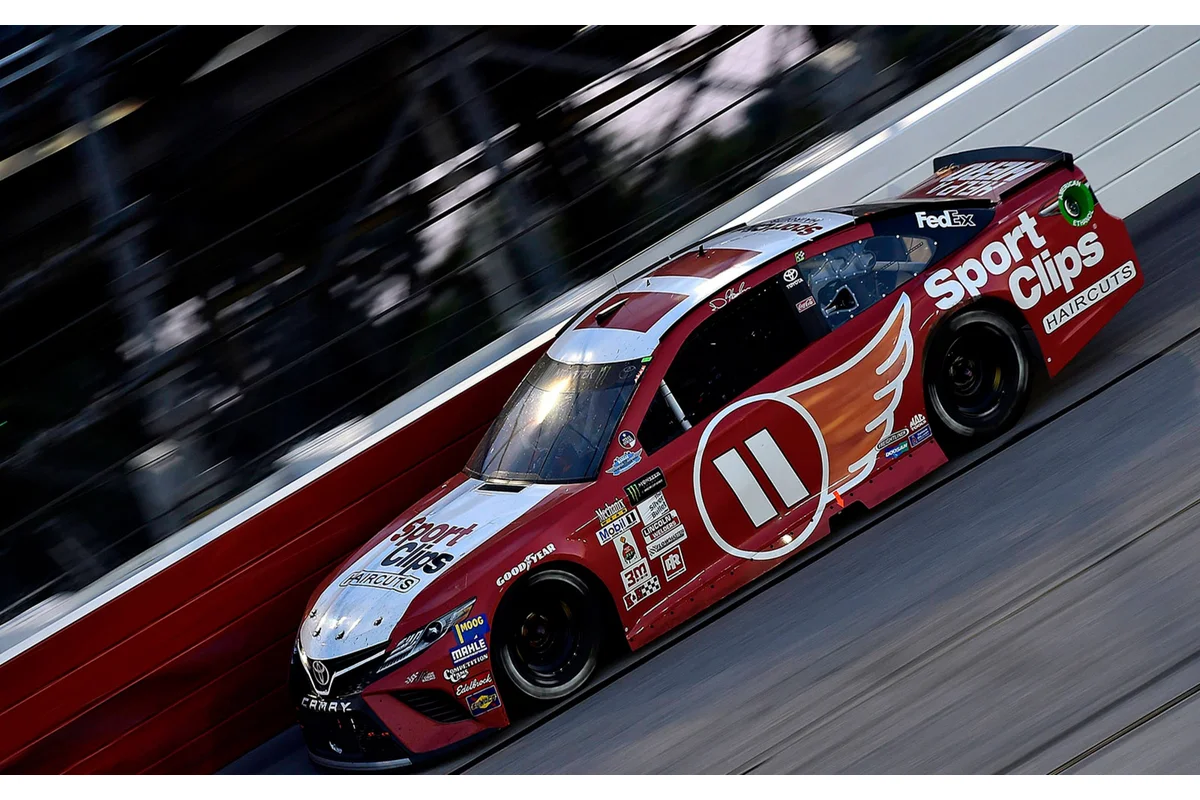
“I think the NASCAR fans will be very apprehensive to embrace that. I think that NASCAR fans are the ones that have been around for a very long time and even the new ones. And I think even consumers themselves in street cars like to hear sound 100%.”
– Denny Hamlin, NASCAR Driver
Hamlin argued that the reluctance toward electric vehicles is not limited to just racing enthusiasts. He noted a shift in the broader American automotive culture, where previous excitement over electric vehicles has tempered. Many drivers, Hamlin suggested, remain attached to the traditional sensory experience of driving, particularly the powerful sounds of a combustion engine.
Technical and Practical Hurdles for NASCAR EVs
NASCAR’s current strategy includes trimming the length of its races, often targeting broadcasts within a three- to three-and-a-half-hour window. While electric technology could potentially support shorter races, Hamlin raised valid concerns about the capability of current EV technology, wondering if it could deliver the necessary performance over race distances. He questioned,
“Can you make a car make ample amount of energy, you know, 1,000 horsepower for 3 and 1/2 hour? I don’t think so.”
– Denny Hamlin, NASCAR Driver
While he conceded that electric vehicles might have a role as part of special exhibitions or non-championship events, Hamlin remains skeptical about mass fan adoption. The transition to races featuring silent cars, he cautions, is likely to face major resistance from those who equate the sport with powerful sound and spectacle.
The Details Behind NASCAR’s Electric Prototype
The all-electric prototype is the result of collaborative work involving NASCAR’s engineers and major automakers—Chevrolet, Ford, and Toyota—supported by technology partner ABB. This new electric car boasts an impressive tri-motor, all-wheel-drive architecture. With one motor at the front and two at the rear, it achieves up to 1,000 kW of peak output, equating to more than 1,340 horsepower. In terms of raw acceleration, this figure outpaces what current Cup Series race cars provide, placing the prototype at the very top end of performance benchmarks.
NASCAR Stresses Commitment to Tradition Amid Change
Despite the technical prowess of its latest prototype, NASCAR leadership has repeatedly clarified that there are no impending plans to replace its legendary combustion-engine vehicles with electric versions. Officials have drawn a clear distinction between the prototype and the Cup Series, signaling that V8-powered races will remain at the heart of the sport for the foreseeable future. Early responses from fans reinforce this direction, reflecting a strong attachment to the characteristic thunder of traditional engines.
The Sound of the Sport: Cultural Barriers Remain
NASCAR’s enduring identity is closely tied to both the visual spectacle and the unmistakable sound of racing. As the organization experiments with electric power, the challenge lies not only in overcoming technological obstacles but also in convincing its devoted audience to embrace a quieter form of racing. For many consumers, spectators, and key figures like Denny Hamlin, it is this fundamental connection to noise and tradition that may shape the trajectory of NASCAR’s electric future.
