
During last weekend’s NASCAR Cup Series event at Richmond Raceway, Richard Childress Racing’s Austin Dillon earned an impressive win, stirring reflections about the track’s race frequency. Joe Gibbs Racing veteran Denny Hamlin weighed in on the importance of Richmond hosting only one annual race, citing concerns that an overcrowded NASCAR race schedule diminishes fan enthusiasm and attendance. Hamlin’s comments highlight a pressing issue regarding the sport’s current structure and sustainability.
Why Richmond’s Single Race Date Benefits Fan Engagement
In previous years, Richmond Raceway held two Cup Series races per season, but attendance numbers did not meet NASCAR’s expectations. Hamlin noted on his podcast that the expense of attending races influences fan decisions, with many choosing to skip one or both events when multiple dates are offered. This often leads to lower overall turnout and reduced enthusiasm.
“I mean, let’s be honest, it doesn’t matter what sporting event you go to, it costs money to go. When you have the option to have multiple times to go, what happens usually is you skip the first, ‘I’ll go get the next one.’ Then, something comes up before the next one, you don’t end up going at all.” —Denny Hamlin, Actions Detrimental podcast
Hamlin explained that restricting Richmond to a single annual race creates a sense of exclusivity, which in turn boosts demand. When there is only one opportunity to attend, fans are more likely to prioritize that event and commit to being present. This scarcity transforms Richmond into a highly attractive market, helping improve fan engagement and attendance compared to when two races were available.
“As a sports person for me, I know when something comes in to town once, that’s my opportunity. Block it off, don’t plan anything else, because I don’t have another option. So, I think that there’s something to that, and it seems like the tracks with one date? It’s working out for them.” —Denny Hamlin
The Impact of an Oversaturated NASCAR Calendar on Fan Interest
Hamlin argued that the broader NASCAR schedule has become oversaturated with too many races, diluting the fans’ desire and enthusiasm for each event. With 38 races on the calendar including 36 points-paying events and two exhibitions, he believes this abundance is detrimental to the sport’s market value and fan engagement.
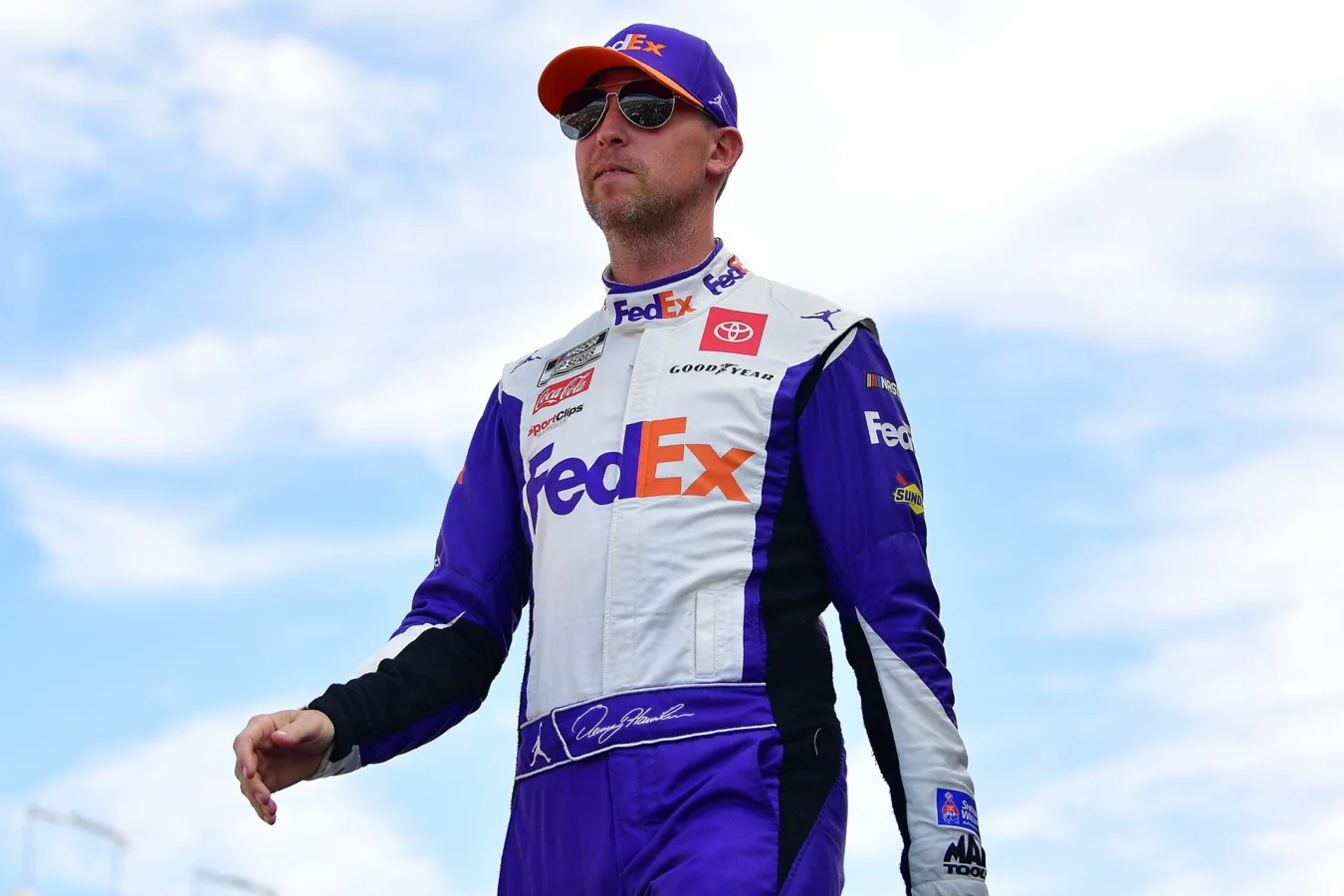
“I think it’s another example that we have too many races in our schedule. We’re just over-saturating the market. We’re trying to come up with new tracks and things like that, but it’s just — certainly (there shouldn’t be) 36 or 38 (races). I just think that there’s something to making the people want it, instead of just always giving it to them whenever they want it.” —Denny Hamlin
This perspective suggests that reducing the NASCAR Cup Series race schedule could enhance demand and excitement by making each race feel more special rather than routine. Hamlin’s candid assessment raises questions about the current approach and its long-term effect on retaining and growing the fan base.
Denny Hamlin’s Personal Connection to Richmond Raceway
Reflecting on Richmond losing its second race date starting in 2025, Hamlin expressed how much he was affected by the change. He described the loss as heartbreaking, given Richmond’s significance to him as a driver and its strong fan support. He counts Richmond among his top five favorite racing markets, alongside Greensboro and Indianapolis, where he has consistently enjoyed racing and strong viewership.
“It broke my heart that they lost one of their dates. (But Saturday) was a good crowd turn out. It’s so interesting, because Richmond is always one of our top-five cities that people watch us. It’s one of the higher-rated cities. It’s always like, Greensboro, Richmond, Indy — something like that, is our kind of our top five. But they didn’t come to the track.” —Denny Hamlin
Hamlin’s remarks underline a broader dynamic where television viewership remains high in certain cities even when live attendance doesn’t fully reflect that interest. His point reinforces how limiting track dates can sharpen fan focus and market appeal, though it also exposes challenges in translating viewership into live event attendance.
Challenges to Changing the NASCAR Race Schedule
While reducing races might benefit fans and teams by creating a more enticing product, practical obstacles remain. NASCAR currently operates under a seven-year media rights deal that grants significant influence to broadcasters, who have an interest in maintaining a larger volume of races to fill programming needs. This contractual framework limits NASCAR’s flexibility to alter the schedule drastically in the near term.
Despite these constraints, Hamlin’s critique signals a growing conversation within NASCAR circles about balancing race quantity with quality and fan engagement. The debate is crucial as the sport seeks sustainable growth while respecting its traditional markets and loyal fan base.
The Broader Impact on NASCAR’s Future and Fan Base
Denny Hamlin’s observations spotlight a critical issue for NASCAR as it navigates changing fan behaviors and market conditions. By highlighting the downsides of schedule overcrowding, he suggests that a leaner race calendar might revive interest and improve the overall experience for fans and competitors alike. This approach could help NASCAR strengthen its connection to key markets like Richmond and enhance the prestige of each race.
As NASCAR continues to evolve, understanding and responding to such concerns will be vital. Whether the organization moves to reduce the number of races remains uncertain, but the debate initiated by Hamlin’s comments may influence future decisions that shape the sport’s trajectory for years to come.
