
In 2010, Denny Hamlin put forward the idea of reducing the number of races in the NASCAR season, arguing that the schedule had become oversaturated. At that time, most drivers were focused on the championship or avoided controversial opinions, but Hamlin boldly suggested that cutting the season length would improve the overall quality of the sport. His proposal aimed to create more excitement and urgency for both drivers and fans.
When asked by SB Nation about changes he would make if in charge of NASCAR, Hamlin’s response was clear: fewer races would ultimately raise demand and quality. He explained the issue with the current setup where the abundance of races gave fans too many viewing options, diluting the significance of each event.
“[The season is] oversaturated—there are so many races that the fans have too many options. If you had 25 races or 20 races, something like that, there’d be more of a demand for the race ticket,” he said. (SB Nation, 2010)
He added, “I think you’d probably see better racing because of it, too, honestly. Because the less chances we have to get wins, the more aggressive we’re going to be.” (SB Nation, 2010)
Context of the 2010 NASCAR Season and Hamlin’s Perspective
Hamlin’s viewpoint came at a critical moment during the 2010 Sprint Cup Series season when he was leading the points standings with only two races left. The full schedule then consisted of 36 points-paying races from February through November, alongside non-points events such as the Clash and the All-Star Race, creating a demanding calendar for teams and drivers. Hamlin saw this relentless pace as a factor that contributed to races losing their distinctiveness.
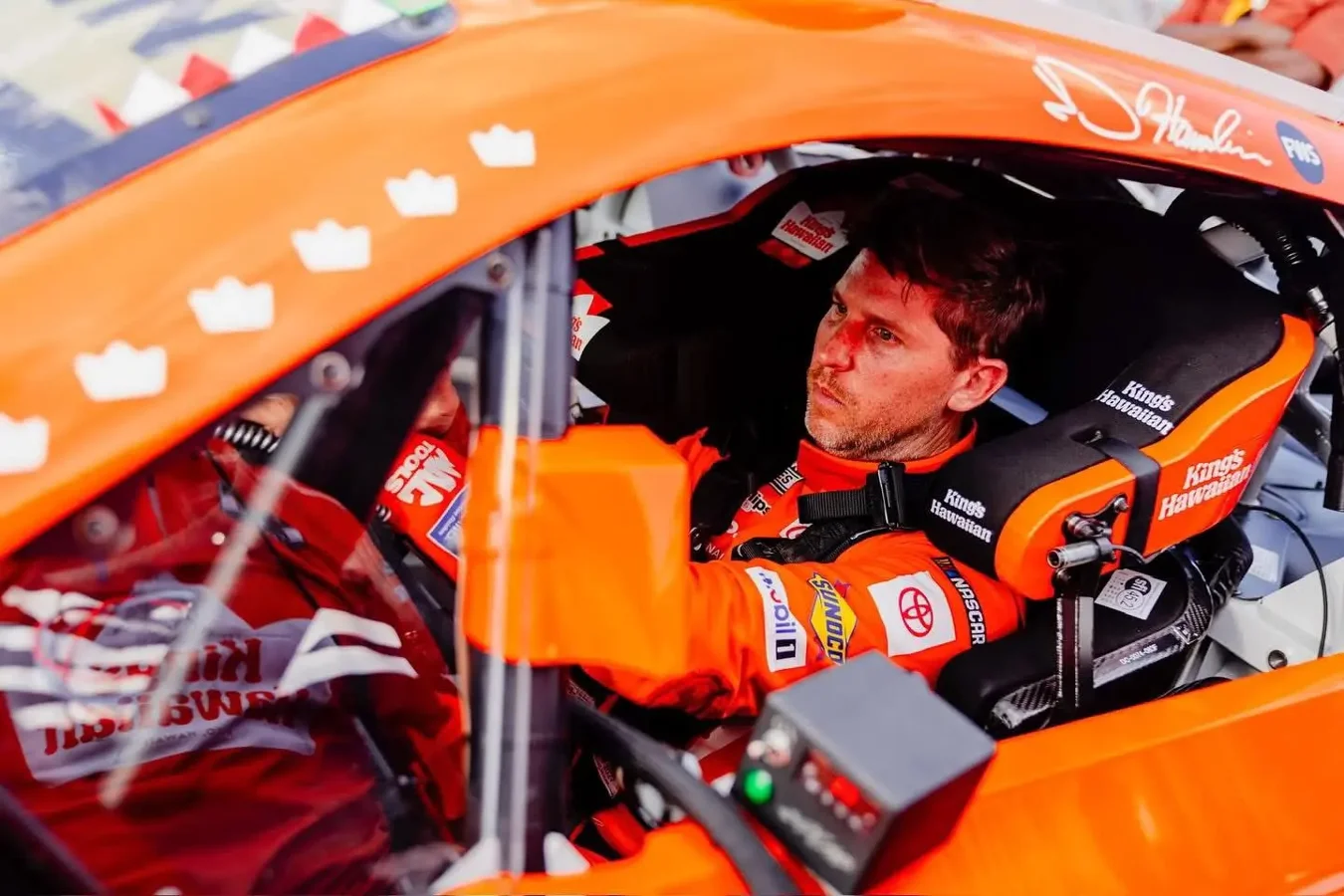
He argued that with fewer race weekends, each event would carry greater importance, forcing drivers to take bigger risks. This, in turn, would enhance the competition and heighten fan engagement. Hamlin also mentioned the financial trade-offs, recognizing that reducing the number of races might temporarily lower TV and sponsorship revenue, but he believed the long-term benefits of a stronger fan base and more exciting racing would outweigh those losses.
Hamlin’s Intense Rivalry and a Controversial Phoenix Incident
Years after his proposal, in 2023, Hamlin’s aggressive racing style was displayed during a heated incident with Ross Chastain at Phoenix Raceway. On his Actions Detrimental podcast, Hamlin openly admitted his deliberate approach when attempting to defend his track position against Chastain, stating that he intentionally made a risky move rather than it being an accident.
“[I said,] ‘You’re coming with me, buddy.’ I did… no, it wasn’t a mistake. I unleashed. I let the wheel go,” he said.[1:31 onwards]
This candid admission heightened the controversy around the incident. NASCAR officials responded swiftly by levying a $50,000 fine and deducting 25 driver points from Hamlin, citing violations related to actions detrimental to stock car racing under the NASCAR rulebook.
The tension between Hamlin and Chastain had been building since 2022, with multiple clashes escalating their rivalry. The Phoenix event marked a breaking point, prompting NASCAR to treat Hamlin’s confession seriously as both a racing infringement and a challenge to the standards of sportsmanship. Hamlin appealed the penalty, asserting on social media that despite the hard racing, he had not manipulated the race or acted detrimentally to the sport.
“There was also no manipulation of the race nor actions detrimental to the sport,” he argued.
Implications of Hamlin’s Proposal and Recent Racing Conduct
Denny Hamlin’s call to reduce the NASCAR season still resonates in discussions about the sport’s future. His 2010 analysis highlighted how a shorter calendar could bring more intensity and value to each race, potentially revitalizing fan interest and driver strategy. Meanwhile, his 2023 Phoenix incident shows the fine line drivers walk between aggressive competition and crossing regulatory boundaries, especially in an era where transparency and media scrutiny are greater than ever.
The sport’s response to the Phoenix clash and Hamlin’s holding firm in his appeal signals evolving attitudes toward driver conduct and openness. As NASCAR continues to balance tradition with modern pressures, proposals like Hamlin’s serve as reminders that changes might be necessary to sustain excitement and maintain respect within the sport for years to come.
