
Denny Hamlin has voiced significant concerns about NASCAR’s intentions to extend spec car use to the Xfinity and Craftsman Truck Series, warning this shift could jeopardize the future of these developmental tiers. The financial strain on teams in these series, already heavy, may become unsustainable if mandated spec vehicles arrive by 2028.
Hamlin, a seasoned driver with Joe Gibbs Racing, highlighted these issues during a recent podcast, revealing industry rumors about NASCAR’s push to implement spec trucks and cars beyond the Cup Series. His warning has caused considerable unease among fans and insiders alike.
How the Introduction of Spec Cars Could Intensify Financial Hardship
The Cup Series currently employs Next–Gen spec cars sourced entirely from approved suppliers, ensuring a level playing field. However, Hamlin explained that replicating this model in the Xfinity and Truck Series could devastate team budgets. Historically, Cup teams sold their used cars to lower-series teams, allowing those organizations to compete affordably with proven machinery.
The business model is going to continue to get harder and harder,
Hamlin said.
And from what I’m hearing in the Truck Series, is that NASCAR is telling them is what I’ve been told, this is a rumor. I don’t know that this is factual, but it’s a rumor that, you know, they need them to go to spec trucks by 2028. How in the world are they going to be able to afford that?
—Denny Hamlin, Joe Gibbs Racing Driver
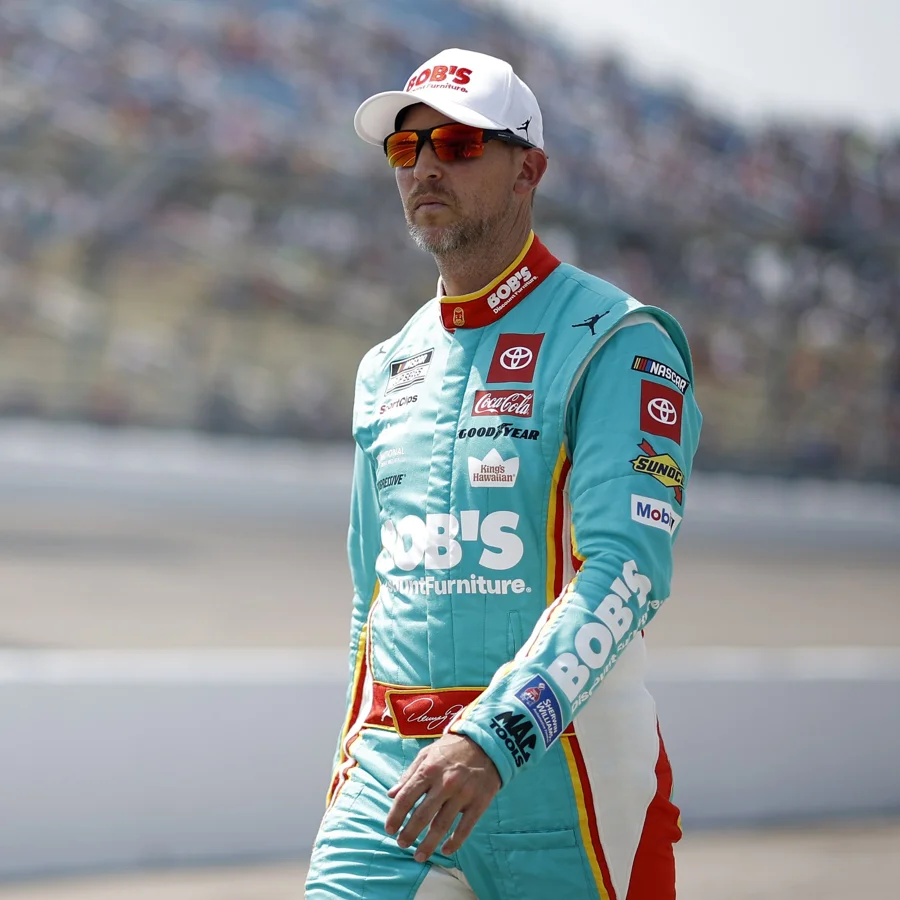
He pointed out that older Cup cars, often two to five years old, served as the foundation for many Xfinity teams, allowing them to save on expensive new builds. Eliminating this workaround forces teams to invest in costly new spec cars, driving expenses to levels many cannot meet.
Everyone’s going to scrap all their stuff, and it’s going to happen in the Xfinity Series as well,
Hamlin explained.
I mean, those guys are running on cars that are old, old, old, old, old. And it used to be passed down from the Cup Series, so the Cup teams could recoup a little bit of money from their investment.
—Denny Hamlin, Joe Gibbs Racing Driver
Xfinity would be racing two, three, five-year-old Cup cars. Now, they are all having to keep building new stuff, right? And so that really takes its toll on the teams. It drives up their cost.
—Denny Hamlin, Joe Gibbs Racing Driver
Reaction from NASCAR Fans Highlights Widespread Concern
The prospect of mandatory spec vehicles in lower NASCAR series sparked immediate backlash from the fan base, many of whom voiced fears that the changes could lead to the decline or disappearance of Xfinity and Truck racing. Social media and online forums flooded with comments criticizing the proposal and expressing readiness to follow alternative racing leagues instead.
One fan remarked,
So they’re going to ruin the two best series they have? Sounds like I’ll be watching CARS Tour and IndyCar full time by then,
capturing a growing sentiment of disillusionment among enthusiasts.
Financial struggles were a recurring theme in fan reactions, given the already modest prize money and purse sizes in the lower tiers.
If that does, with the paltry purses and payouts the Trucks and Xfinity have, then just shut out the lights on NASCAR entirely,
commented another supporter.
Questions about NASCAR’s long-term strategy were also raised.
So they really want to just kill this sport? Why?
expressed a fan perplexed by the decision’s potential consequences.
Understanding the Broader Impact on NASCAR’s Developmental Series
While adopting spec cars can improve competition balance and reduce technical disparities, NASCAR’s experience with the Next–Gen car demonstrates that such changes are not without difficulties. Teams in the Xfinity and Truck Series already operate under tight financial conditions; demanding a switch to all-new spec vehicles would impose tremendous additional costs.
Should NASCAR proceed with these requirements, many current teams may struggle to survive, potentially leading to fewer participants and diminished competition in the sport’s crucial developmental levels. This could reduce the pipeline of emerging talent and detract from fan engagement across multiple racing tiers.
Denny Hamlin’s warnings underscore a pivotal moment for NASCAR’s approach to consistency and cost control, highlighting a growing tension between innovation and sustainability in motorsports.
