
Since the rollout of the Next–Gen car, criticism surrounding its performance and racing quality has grown steadily among drivers and fans, prompting strong reactions from <a href="https://www.big14news.com/nascar/”>NASCAR insiders. On the latest podcast, Denny Hamlin, veteran driver and co-owner of 23XI Racing, expressed deep frustration over the escalating negative sentiment toward the car, directly comparing it to the contentious Car of Tomorrow era. His remarks highlight persistent issues with the vehicle’s design and NASCAR’s response, underscoring the urgency for meaningful change.
Denny Hamlin Highlights Widespread Issues with the Next-Gen Car
The Next–Gen car aimed to modernize NASCAR by improving competition and bringing innovation to the sport, but its reception has been fraught with criticism, particularly concerning its aerodynamic setup and limited overtaking opportunities on short tracks. Hamlin has consistently voiced dissatisfaction, pointing out that many drivers share concerns about race quality and car performance. Despite these widespread problems, NASCAR has only made incremental updates rather than addressing fundamental flaws.
Hamlin specifically warned that the level of disdain for the Next–Gen car is approaching the notorious rejection experienced during the Car of Tomorrow (COT) period. The COT era was marked by controversy over its altered design and reduced horsepower, leading to unexciting races and widespread unhappiness within the sport. Hamlin believes the backlash from fans and drivers now nearly mirrors what was seen during that difficult phase.
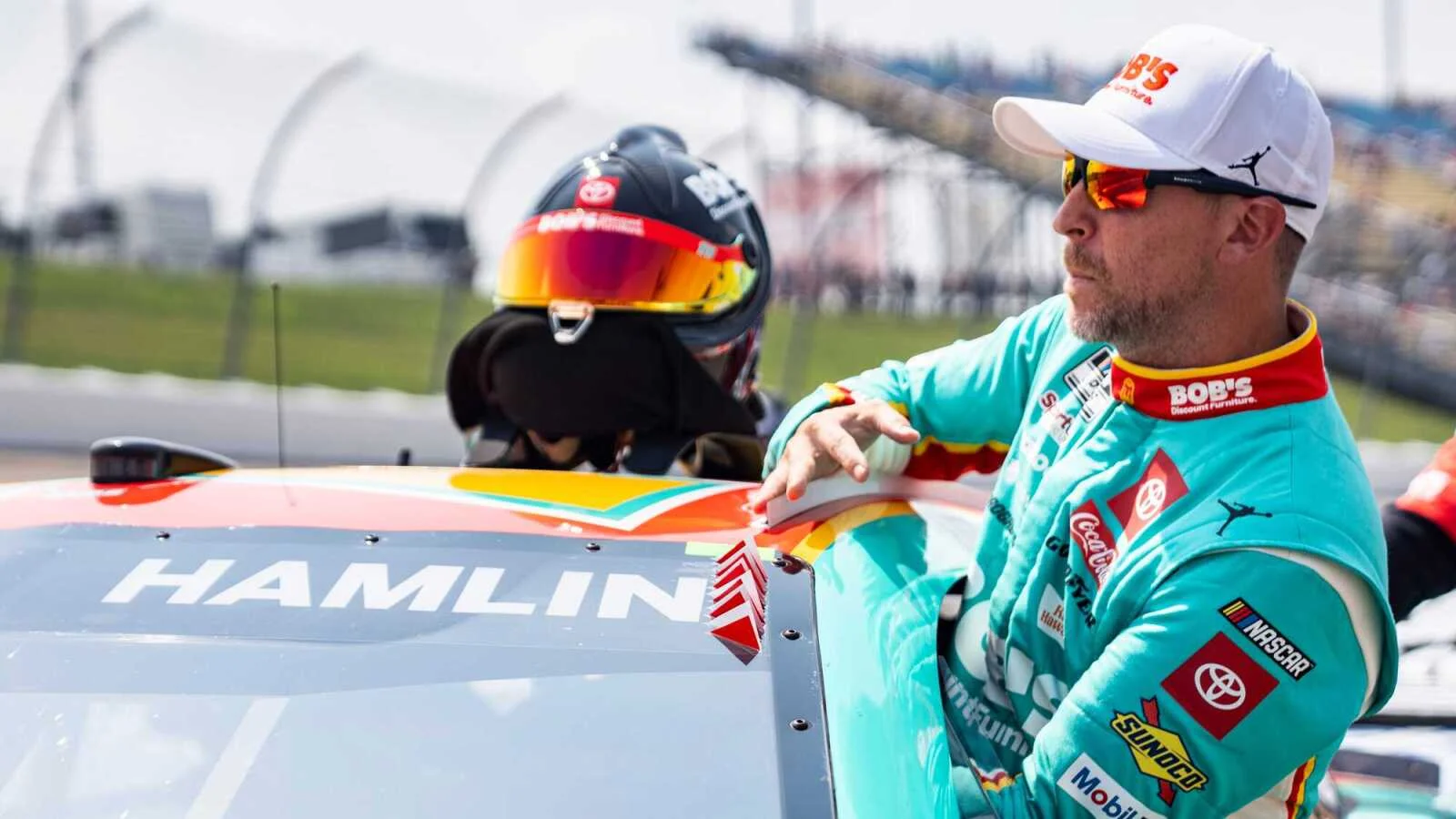
“I think that we have a fundamental car problem. It is no doubt a problem. Everyone that has ever driven it has said it’s a problem. I believe that the Next Gen car is reaching hate levels of the COT (Car of Tomorrow) with the wing. From fans — I think they’re starting to dislike this car as much as the drivers that have to drive it.” —Denny Hamlin, Actions Detrimental podcast
Hamlin’s critique centers on how the current car’s design limits exciting, competitive racing, a key part of NASCAR’s appeal. He has been vocal about the negative impact caused by decreasing horsepower, a move NASCAR has steadily implemented with each new vehicle generation. This reduction in power has become a sticking point for many drivers, yet their concerns seem to go largely ignored by the governing body.
“We’ve just steadily progressed our way back and back and back and back and taken horsepower away more and more and more. These are 10th floor decisions and let’s just say us drivers are on the third floor.” —Denny Hamlin
Hamlin Criticizes NASCAR’s Leadership for Poor Strategic Choices
Beyond technical flaws, Hamlin did not hold back when addressing NASCAR’s leadership on its decision-making processes. He accused the organization of making “horrible decisions” that threaten the long-term health of the sport, emphasizing that no business is immune to the consequences of poor judgment. Hamlin warned that NASCAR’s insistence on pushing forward with its current direction without adequately addressing core problems will ultimately backfire.
“No business is immune to bad decisions. I think that the NASCAR business has made some horrible decisions over the last given amount of time and eventually, it catches up.” —Denny Hamlin
Hamlin elaborated on how leadership’s stubborn adherence to certain strategies lacks justification and that there will inevitably be accountability for these choices in the future.
“You can’t just say, ‘This is the direction I want to go. Well, why? Well, it’s just the direction I want to go,’ and not eventually have to pay for that. You’re going to have to pay for your bad decision at some point, and this could be said for lots of things that has happened in those offices.” —Denny Hamlin
His remarks suggest a growing divide between the drivers’ grassroots experience and the decisions made at the executive level, which may cause lasting damage if left unresolved.
The Broader Implications and Calls for Change in NASCAR
While some critics view Hamlin’s outspoken stance as influenced by his recent disputes within the sport, his concerns echo among many drivers and fans who believe the Next–Gen car requires substantial improvements, starting with reversing the horsepower decline. The dissatisfaction with the current state of stock car racing emphasizes the need for NASCAR to re-evaluate its approach to car design and competitive regulations to restore excitement and fairness.
Hamlin’s comparison of the Next–Gen car backlash to the Car of Tomorrow’s ignominious reputation underscores the importance of learning from past mistakes. The current issues threaten to undermine fan engagement and driver morale, both vital to NASCAR’s future. Adjustments addressing power output and aerodynamic challenges could be pivotal in improving race quality and rebuilding trust.
As the 2024 season progresses, attention will be on how NASCAR responds to these rising concerns voiced by a respected veteran like Denny Hamlin. The sport stands at a crossroads where decisive action or further inaction could significantly impact its trajectory in the years ahead.
