
Speed is one of the most thrilling aspects of Formula 1, delivering excitement to fans worldwide. In 2025, F1 remains the pinnacle of motorsport, with cars engineered to reach extraordinary velocities during official Grand Prix races. This article explores the top five fastest speeds ever recorded in an F1 Grand Prix, highlighting the moments when drivers pushed the limits to incredible extremes.
Remarkable Top Speeds Achieved in F1 Grand Prix History
Formula 1 cars typically travel at speeds exceeding 300 km/h, but the fastest moments in the sport have surpassed the 350 km/h barrier. These record-breaking speeds mostly occurred on tracks known for their high-altitude locations and low downforce setups, allowing cars to maximize velocity on long straights.
During the 2015 Mexican Grand Prix, which returned to the calendar after a 23-year absence, Ferrari‘s Sebastian Vettel reached an impressive speed of 366 km/h. Despite this, he was not the fastest driver that day. Pastor Maldonado, driving for Lotus, edged past Vettel with a top speed of 366.4 km/h, narrowly claiming the quickest speed at the event.
Earlier, in 2004, Ricardo Zonta’s replacement at BMW-Williams, Antônio Pizzonia, pushed the limits at the Italian Grand Prix by clocking a top speed of 369.9 km/h. This was the fastest speed recorded in Formula 1 at that time, demonstrating how Monza’s famous nickname, “The Temple of Speed,” truly reflects its fast track character.
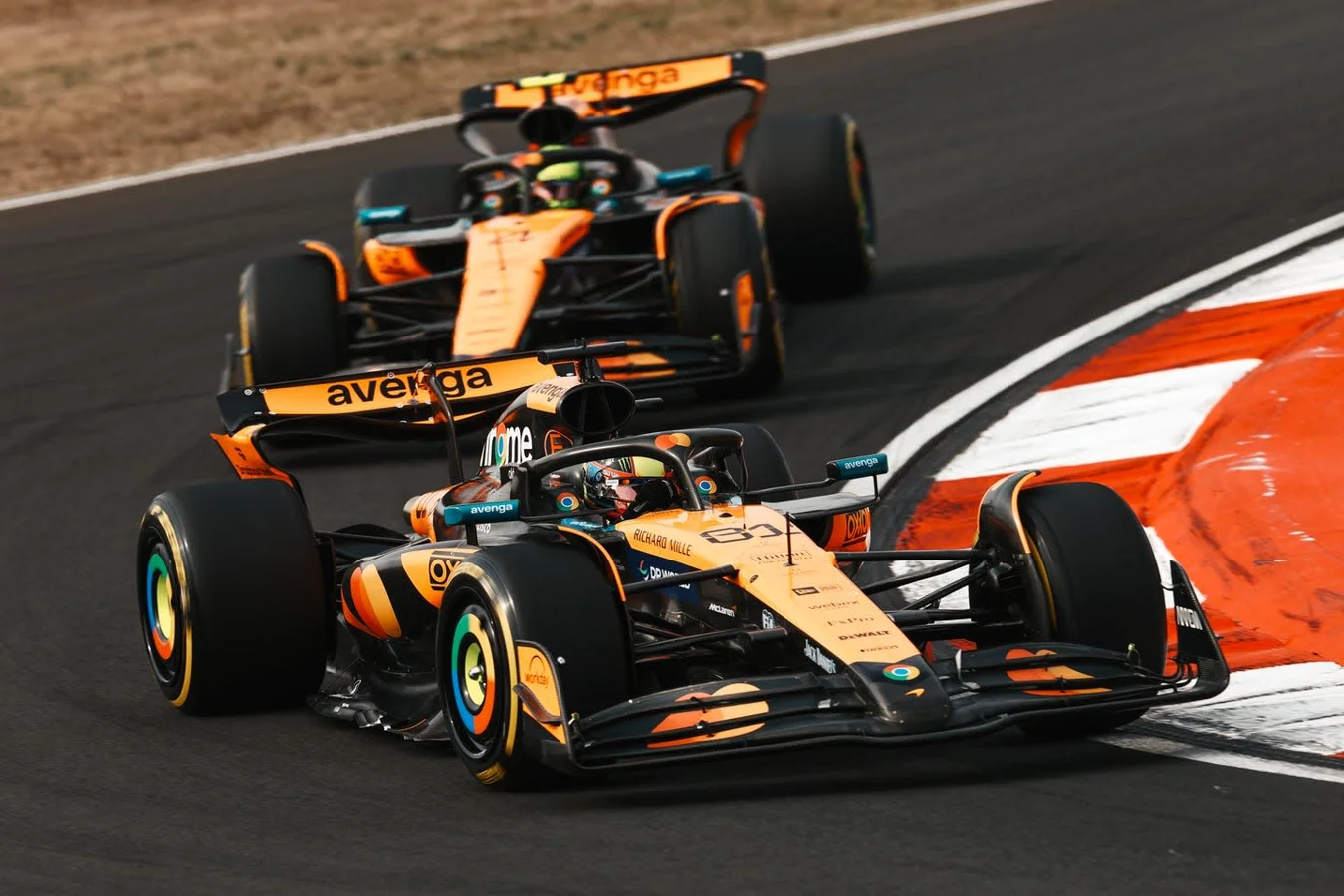
Just one year later, Finnish driver Kimi Räikkönen shattered Pizzonia‘s record at the same Italian venue with a speed of 370.1 km/h in his McLaren MP4-20. His record remained unbeaten for more than ten years, underscoring the significance of that moment in F1 speed milestones.
Finally, Valtteri Bottas set the current record for the fastest top speed during a Grand Prix by reaching 372.5 km/h in the Mercedes-powered Williams FW38 at the 2016 Mexican Grand Prix. Bottas—and the Williams team—capitalized on the high altitude of the Autodromo Hermanos Rodriguez and the track’s low downforce requirements to surpass all previous speeds.
Why Mexico and Monza Have Been Central to Speed Records
The reintroduction of the Mexican Grand Prix in 2015 greatly influenced F1’s top speed records. The Autodromo Hermanos Rodriguez is situated at high altitude, reducing air density and aerodynamic drag, while its long main straight encourages teams to use low downforce setups that prioritize top speed over cornering grip. This unique combination has made Mexico a hotspot for record-breaking moments.
Monza, sitting at a lower altitude compared to Mexico, has been renowned as a speed sanctuary for years. The track’s layout is focused on fast straights and sweeping corners, which allowed records set there in the early 2000s to stand out, especially considering the different technological limitations of that era.
Fastest Speeds Beyond Race Day: Bottas’ Qualifying Record
Valtteri Bottas not only holds the record for the fastest speed in a Grand Prix but also for the highest speed ever recorded in any official F1 session. During qualifying for the inaugural race in Baku—the 2016 European Grand Prix—telemetry data confirmed Bottas reached an astonishing 378 km/h. This demonstrates the incredible capabilities of modern F1 cars when drivers have clear track and prioritize maximum velocity.
The achievement underscores both Bottas’ skill and how advancements in engineering and track characteristics over the years have enabled faster, more aerodynamically refined cars to push the boundaries of speed further than ever before.
The Legacy and Future of Speed in Formula 1
The ongoing battle to set faster top speeds at Grand Prix events reflects the relentless pursuit of performance in Formula 1. Tracks like Mexico and Monza will continue to be focal points for speed attempts due to their favorable conditions. Meanwhile, drivers like Bottas, Räikkönen, and Maldonado have etched their names into history with record-breaking performances that thrill fans and raise the sport’s competitive bar.
As technology evolves and teams seek innovative ways to enhance their cars’ performance, the record for the F1 fastest speeds in Grand Prix events could well be challenged again in the near future, giving fans more spectacular moments of high-speed excitement to look forward to.
