
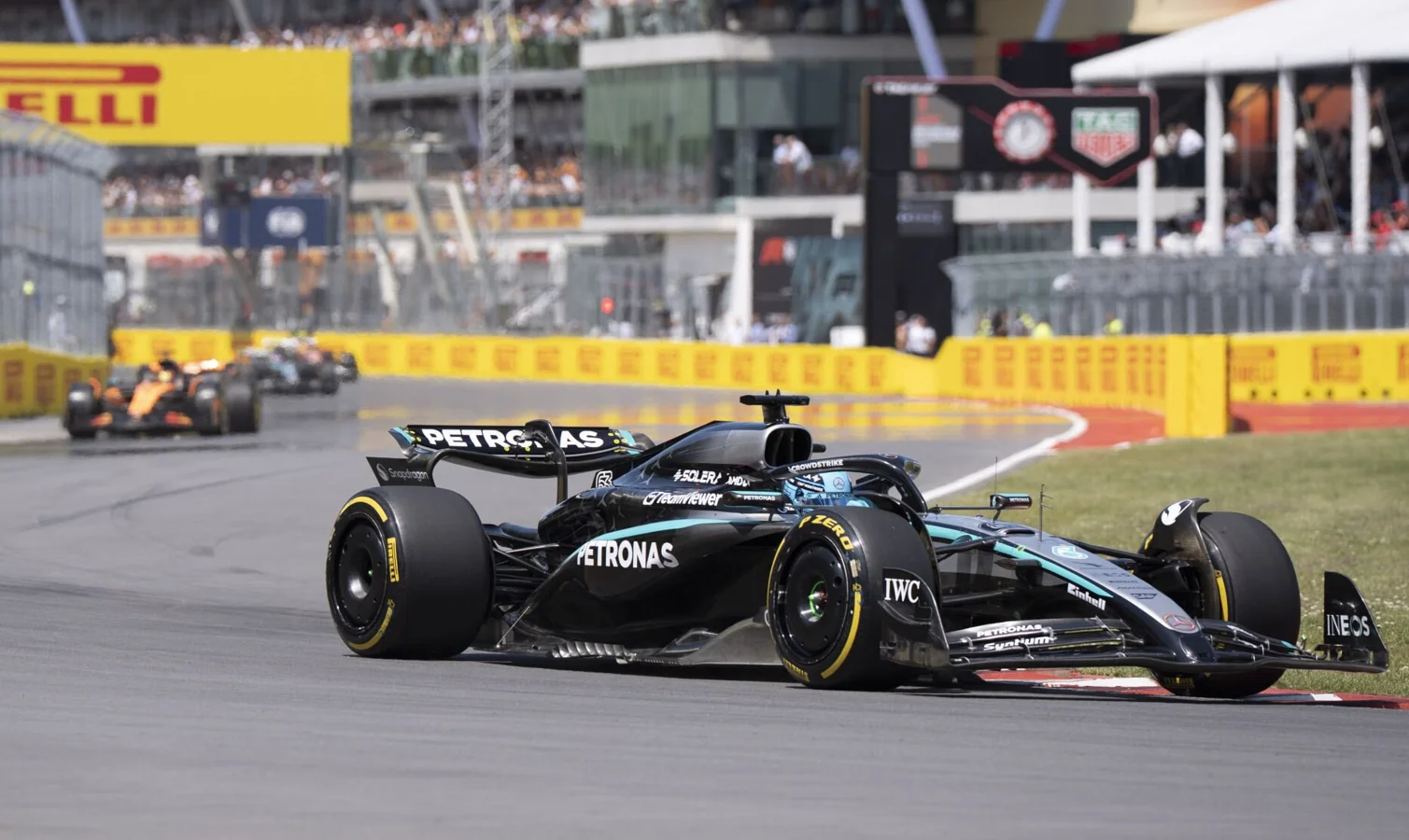
In a sport where winners are often decided by fractions of a second, it took an astonishing five hours and thirty minutes to officially confirm George Russell‘s win at the Formula 1 Canadian Grand Prix. Despite the cutting-edge technology deployed—ranging from high-definition cameras built into car components to real-time sensors, GPS tracking, AI systems, and the FIA’s Remote Operations Centre (ROC) in Geneva—the final confirmation was significantly delayed.
By the time the FIA released the verdict, the motorhome at the circuit was empty, and staff had already left, leaving no one to address any outstanding queries after Red Bull Racing’s protest was rejected. This extensive wait for confirmation underlines a troubling disconnect between the sport’s technological capabilities and operational efficiency.
Process Complications Amidst Red Bull’s Protest
The delay arose primarily from Red Bull launching a protest, alleging that Russell drove erratically behind the safety car. The protest hearing itself was relatively brief, lasting only 45 minutes, with representatives from both Red Bull and Mercedes presenting their arguments. Despite the short hearing duration, the subsequent timeline for delivering the ruling was disproportionately long given the clarity of the issue.
Stewards, tasked with investigating incidents, concluded that Russell
did not drive erratically by braking where he did or to the extent he did
and found no evidence of unsportsmanlike conduct in his report concerning Max Verstappen’s claimed overtaking under safety car conditions. However, the process suffered because incidents were examined based on their order of report rather than their significance, stalling the release of the result most critical to the race outcome.
Technology vs. Bureaucracy: A Missed Opportunity for Speed
Given the sophisticated technological checks available—including extensive telemetry and multiple camera angles—the ruling seemed straightforward enough to resolve swiftly. This contrast between available resources and actual decision-making speed was glaring, especially as fans had already left the venue, broadcasts had ended, and many viewers, especially new ones, were left uncertain about the official race winner for hours.
While the FIA has made notable progress in transparency and communication practices, the lag in confirming what should have been a simple adjudication raises concerns about the governance efficiency within Formula 1. The sport prides itself on precision and speed, yet key regulatory decisions continue to experience frustrating delays.
Implications for Formula 1’s Global Expansion Efforts
This episode is particularly unfortunate as Formula 1 aggressively aims to expand its fanbase, notably in North America, where events like the Canadian Grand Prix should serve as showcases of the sport’s excitement and professionalism. The delay undercuts these efforts, potentially diminishing confidence among audiences who expect quick and definitive outcomes aligned with the high-octane nature of the championship.
With George Russell officially declared the winner only after such an extended gap, Formula 1 faces pressure to streamline its protest and decision-making procedures in order to better match the technological sophistication at its disposal with prompt and transparent governance.
