
George Russell, a key figure in Formula 1, has recommitted to Mercedes just as sweeping technical regulations are set to transform the sport in 2026. Despite Mercedes’ historic dominance, Russell remains cautious about predicting a repeat of past successes, as the entire field prepares for significant changes in chassis and engine design within the George Russell F1 2026 landscape.
Major Overhaul: F1 2026 Brings New Opportunities and Uncertainty
The 2026 Formula 1 season will see the introduction of smaller, lighter cars featuring advanced active aerodynamics on both front and rear wings. Alongside these aerodynamic developments, power units will undergo substantial changes, moving to a 50/50 balance of electrical and biofuel-based propulsion. This marks one of the most substantial year-to-year resets in Formula 1’s recent history, creating an environment of both opportunity and unpredictability for teams like Mercedes, Ferrari, Red Bull-Ford, Honda, and Audi.
Russell, after an impressive 2025 campaign, looks poised to challenge for his maiden Drivers’ Championship. Nevertheless, he remains measured in his optimism as the new regulations conjure memories of Mercedes’ earlier supremacy. As he explained,
next year’s aerodynamic rules are closer to what we had in the era before, when Mercedes dominated the field
— George Russell, Driver.
Mercedes’ Legacy Offers Hope, But Guarantees Are Elusive
Mercedes’ power unit is widely regarded as a potential strength for the upcoming regulatory cycle, but history alone does not guarantee future performance. When Formula 1 embraced hybrid technology in 2014, Mercedes began a period of dominance, winning eight Constructors’ Championships and securing seven Drivers’ titles between 2014 and 2021. Russell acknowledged this, noting,
Mercedes has been the benchmark in this area for many years,
— George Russell, Driver.
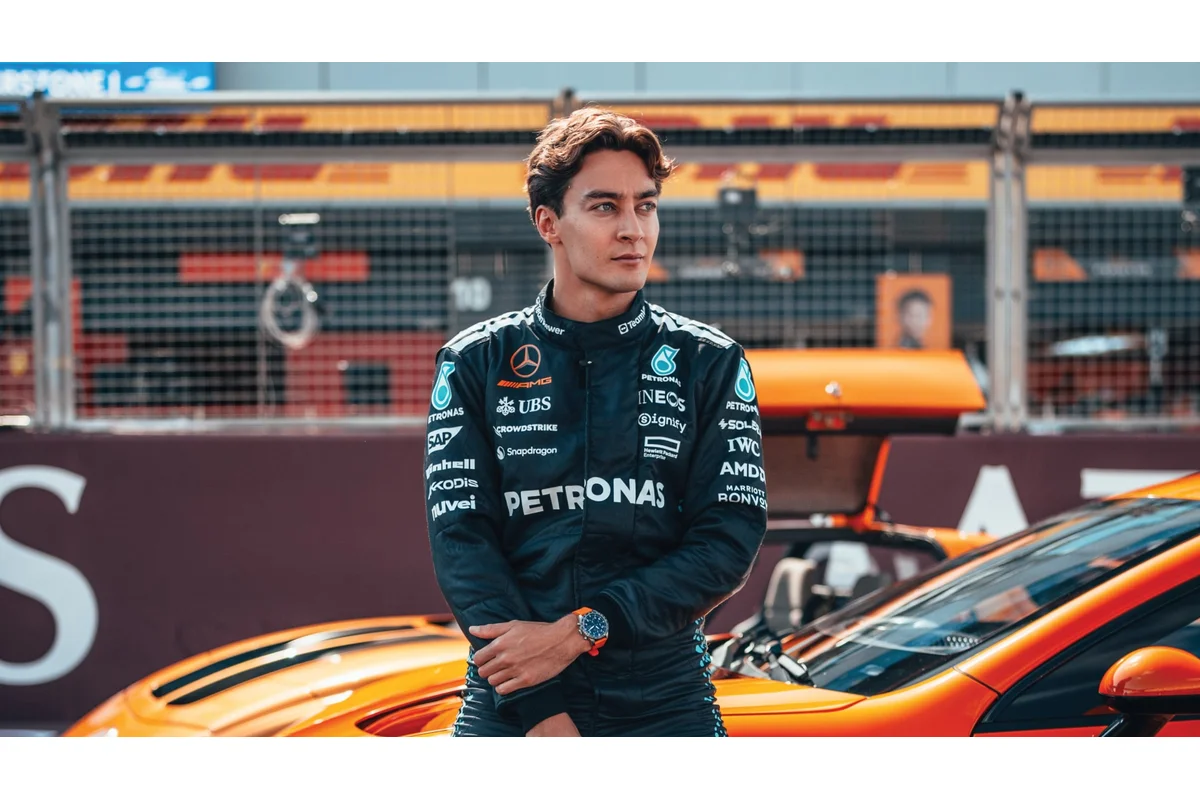
Yet, despite the optimism surrounding established manufacturers, the unprecedented scope of the 2026 reset levels the playing field. With every team concealing the finer details of their development programs, no one can predict how rivals like Ferrari, Red Bull-Ford, Honda, or new entrant Audi will fare until cars finally hit the track. Russell’s pragmatism stands out in this environment, as he cautioned:
I would be a fool to say that I would bet all my money on Mercedes.
— George Russell, Driver.
Leadership Echoes Driver’s Caution Amidst Much Anticipation
Toto Wolff, Mercedes’ team principal, shares Russell’s measured outlook regarding their prospects for 2026. He referenced the team’s world-beating run during the first hybrid era but stopped short of bold predictions, reflecting on how past advantages may not easily be replicated. Wolff said,
It’s super difficult to predict, because we set ourselves targets that we are on track to meet, but whether those targets were set ambitious enough, and whether those targets have been set in the right place in terms of priorities, the future will show.
— Toto Wolff, Team Principal.
Looking back on their early success in 2014, Wolff described the feeling of being ahead of the competition:
I kind of had the feeling already in the winter where we were the first one running a full car dyno,
— Toto Wolff, Team Principal. The reliability and readiness of the Mercedes engine played a crucial role, setting them apart during initial testing. However, Wolff emphasized that conditions have changed:
So, it’s not comparable, I would say. It’s also that the grid is just much more competitive than it was in previous years.
— Toto Wolff, Team Principal.
Competitive Landscape: New Challenges and a Growing Grid
For 2026, the engine supplier roster will include Mercedes, Ferrari, Red Bull-Ford, Honda, and Audi, reflecting an exceptionally competitive field. Additionally, the grid is set to expand to 11 teams with the arrival of Cadillac, pushing the level of competition higher than in previous years. This influx of manufacturers and an expanded team count is sure to make the outcome of the George Russell F1 2026 season less predictable than ever.
With more drivers, teams, and engine suppliers all vying for early dominance in a redefined championship landscape, only time will tell who will unlock the most potential from the fresh regulatory environment. For George Russell and Mercedes, the prospect of reclaiming the top spot is laden with both hope and realism, as team and driver alike recognize that success in 2026 will depend on a combination of diligent preparation and adaptability to Formula 1’s next chapter.
