
Lewis Hamilton’s prospects at Ferrari for 2026 could be set for a turnaround as upcoming Formula 1 rule changes may help level the playing field, offering the seven-time champion new opportunities. As teams prepare for significant shifts in car design and technology, Hamilton could find the new environment more favorable after a challenging adaptation period with the Italian squad.
Hamilton Faces Fine Margins in a Competitive Field
Fred Vasseur, Ferrari’s team principal, has repeatedly pointed out that even slight missteps can have outsized effects given how close F1’s competition has become. Hamilton’s move to Ferrari was initially seen as a promising step, but the intense competitiveness of the field left little room for error. As a result, any minor deficit—such as being just a few tenths slower than his teammate Charles Leclerc—often translated into several lost grid positions.
Vasseur commented on these narrow margins, emphasizing the importance of maximizing every detail:
“It means that as soon as you are missing something, if you let one tenth of a second on the table because you are not in control of everything, today one tenth of a second is [the equivalent of] five-tenths [in terms of] position.” – Fred Vasseur, Team Principal
This reality often placed Hamilton under significant pressure from teams like Williams and Racing Bulls, as even small lapses could drop him well down the order, sometimes far behind Leclerc despite similar pace.
Major Technical Overhauls Set for 2026
Looking toward 2026, Formula 1 will introduce sweeping changes that could influence team dynamics and individual prospects. This new era will see cars become nearly half-electric, with a battery component increasing threefold and sustainable fuels becoming standard. A standout feature of the new regulations is active aerodynamics, enabling both front and rear wings to adjust on straights for greater speed.
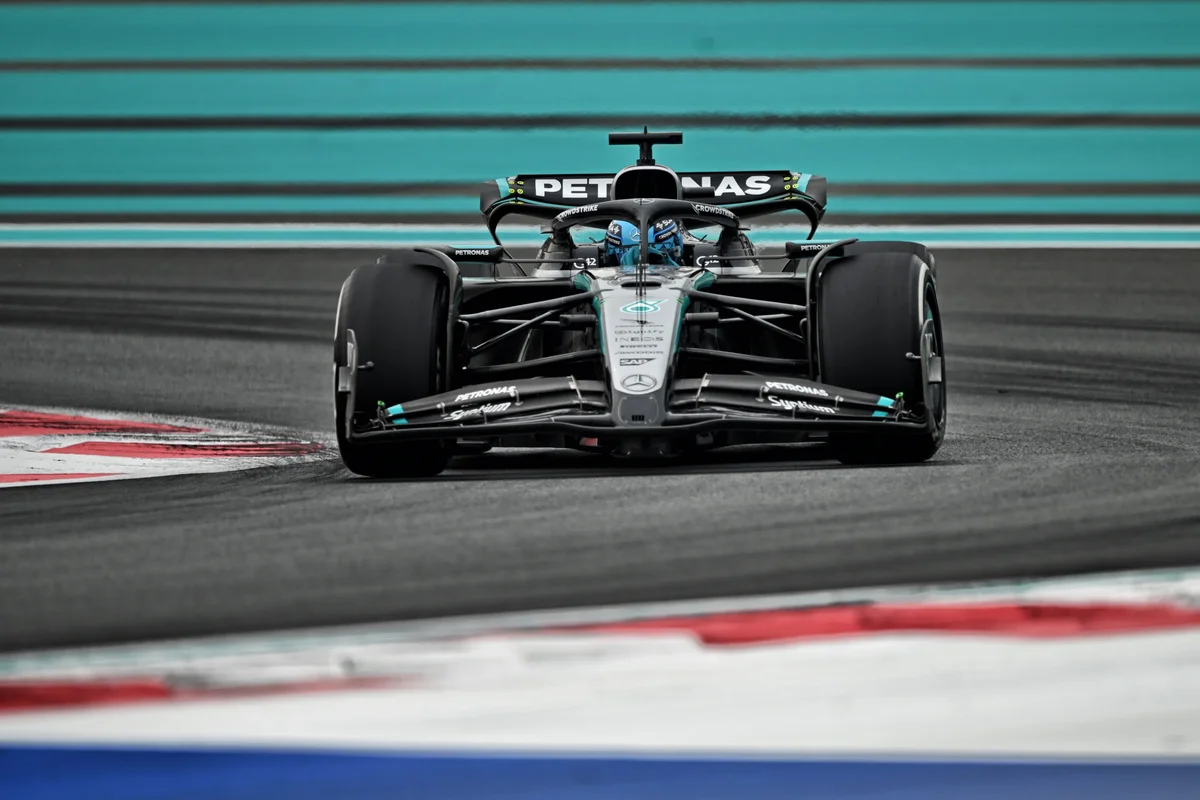
Adrian Newey, a leading designer in F1, shared his perspective on the scale and risks of the upcoming changes:
“Just as everything’s starting to converge, and fans are starting to get what they want, we have got an even bigger change – because it’s the first time I can remember we’ve got a new PU and chassis happening at the same time.” – Adrian Newey, F1 Designer
“The chances of that blowing the grid apart have to be pretty significant.” – Adrian Newey, F1 Designer
While some fans may miss the close qualifying battles of past seasons, greater separation among teams could actually benefit drivers like Hamilton. If the field spreads out, finishing slightly behind teammates like Leclerc might be less costly in terms of final position, reducing the penalty for minor pace differences.
Ferrari’s Progress and High Expectations for 2026
Ferrari’s leadership is acutely aware of the pressure to deliver results before the end of 2026. Chairman John Elkann has previously pledged that the team would secure a championship by then, aiming to avoid an extended title drought. The development of the 2026 car is being led by Loic Serra, a notable hire from Mercedes, who is said to be pursuing an aggressive and innovative path for both chassis and performance.
However, success will require not only a well-designed car but also a competitive engine. With strong rivals such as Mercedes and McLaren in the mix, both Hamilton and Leclerc depend on the power unit to maintain a challenge at the front. Early reports suggest Ferrari’s new engine has performed well in preliminary testing, but its true capabilities will only be revealed during official sessions on track in Barcelona later this month.
Given the scope of upcoming changes, Hamilton’s experience and adaptability could play a pivotal role in helping Ferrari maximize its opportunities. As Formula 1 prepares for one of its most transformative seasons, Lewis Hamilton’s 2026 Ferrari prospects appear poised for a positive shift, provided the team delivers on its ambitious technical promises.
