
The dynamic between Lewis Hamilton and Nico Rosberg became one of Formula 1’s most compelling storylines before Rosberg’s retirement following his championship win in 2016, and many have wondered just how different Formula 1—and the legacy of Lewis Hamilton’s F1 championships—might look if Rosberg had stayed in the sport. As Hamilton recently celebrated his 41st birthday, questions about missed rivalries and alternative histories in the sport have come to the forefront once more.
Nico Rosberg, who will turn 41 in June, has now been absent from the grid for a decade after his stunning exit from Formula 1 the same year he secured his championship title. Rosberg’s retirement left Mercedes searching for a replacement just months before the 2017 campaign, ultimately leading to Valtteri Bottas filling the position alongside Hamilton. Despite Bottas achieving several podium finishes, he never truly threatened Hamilton’s dominance during the four consecutive championship-winning years that followed.
The Impact of Rosberg’s Departure on Team Dynamics
Hamilton and Rosberg started as teammates at Mercedes in 2013, bringing a longstanding friendship from their days racing together in junior categories. At the time, Rosberg had established himself with the team alongside Michael Schumacher, while Hamilton was the fresh addition. Their partnership coincided with Mercedes’ rise as a formidable force in Formula 1, highlighted by both drivers collecting race victories and pushing the team forward.
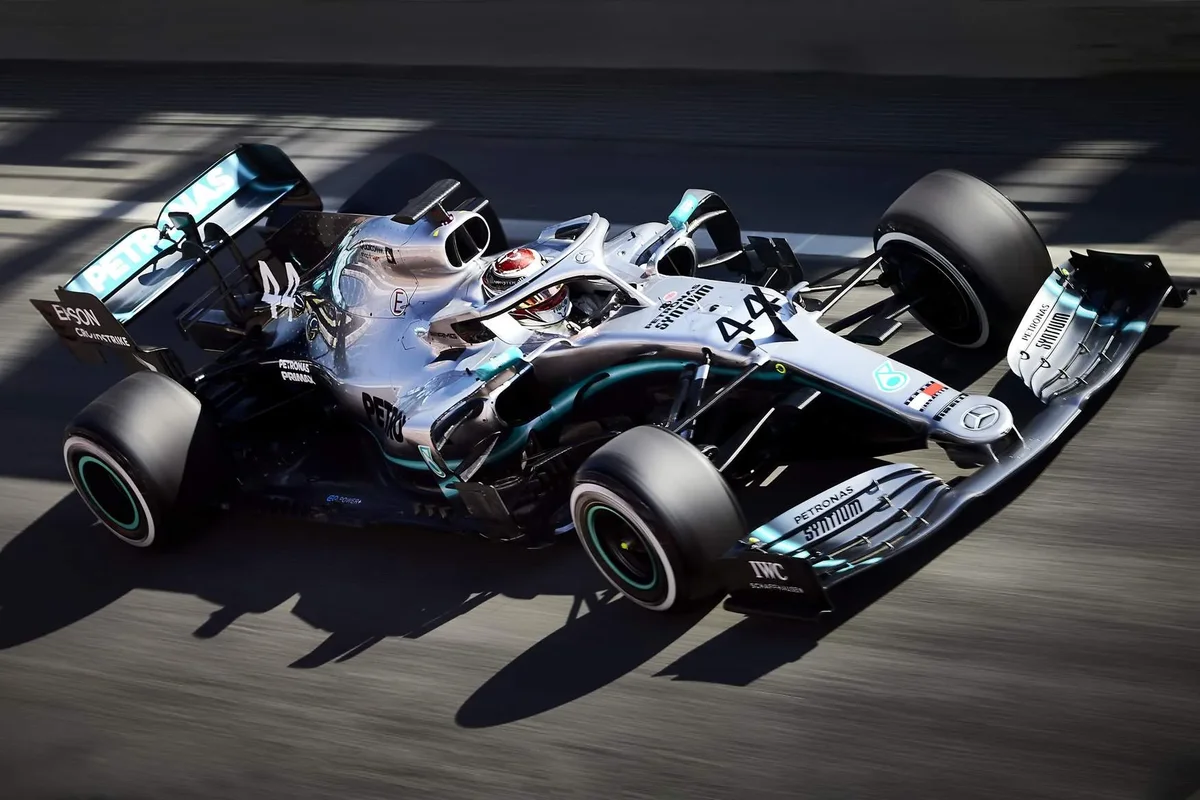
The introduction of new regulations in 2014 saw Mercedes ascend even higher, transforming the Hamilton-Rosberg relationship into a fierce rivalry at the very top of the sport. Hamilton captured the world championship in both 2014 and 2015, but it was the tension-laden 2016 season that took their competitive relationship to the breaking point. Notably, the infamous collision in Spain and Hamilton’s divisive tactics during the Abu Dhabi Grand Prix that year exposed deep fractures within the team.
Rosberg’s sudden retirement forced Mercedes into an unexpected transition, with Valtteri Bottas stepping in as Hamilton’s new teammate. This pairing offered Mercedes greater harmony—Bottas was consistent and able to deliver podiums, but did not typically challenge for the number one position, allowing Hamilton a clearer path to multiple titles.
Speculation persists over how long Mercedes might have tolerated the intense rivalry if Rosberg had stayed. With the performance gap between teams beginning to close—as seen with Ferrari’s increased competitiveness in 2017 and 2018—Mercedes needed strategic unity to maintain their dominance in the Constructors’ Championship. A prolonged Hamilton-Rosberg partnership could have led to either driver seeking new opportunities or further disruption within the team.
It is not out of the realm of possibility that Rosberg, possibly frustrated by a lack of clear number one status despite his world champion credentials, could have emulated Daniel Ricciardo and sought leadership at another top team, perhaps pursuing new challenges at Red Bull or Ferrari.
Rosberg’s Potential for Additional Championships
Contemplating the tally of world championships Rosberg might have achieved is ultimately speculative. Rosberg’s triumph in 2016 came after a season where Hamilton endured significant misfortune—including a costly engine failure in Malaysia that swung the balance of the title. Rosberg’s performance that year, consisting of nine race wins, demonstrated his capability at the very highest level when circumstances aligned in his favor.
After the 2016 Abu Dhabi GP, when asked if the better driver had won, Hamilton’s response was, “I wouldn’t say that,”—Lewis Hamilton, World Champion—indicating a firm belief that he could have, and perhaps should have, secured the title himself.
Had Rosberg continued, the following years could have featured a gripping three-way contest between Rosberg, Hamilton, and Sebastian Vettel, particularly given Ferrari’s resurgence in 2017 and 2018. It is conceivable, however, that Rosberg might have come up short in those battles, possibly finishing behind Hamilton and Vettel.
Should Rosberg have decided he could not overcome Hamilton at Mercedes, a move to Red Bull post-2018—after Daniel Ricciardo’s departure—could have been on the cards. Although competing against rising talent like Max Verstappen would have presented a formidable challenge, Rosberg may have found renewed opportunities as Red Bull began to dominate from the 2021 season onward.
Would Hamilton’s Championship Streak Have Been Interrupted?
Regardless of potential alternative scenarios, it appears likely that Lewis Hamilton’s F1 championships from 2017 through 2020 would have remained secure. During these years, Hamilton demonstrated both consistency and a competitive edge that raised him head and shoulders above his rivals. With his eye on record-breaking achievements, Hamilton seemed unstoppable during Mercedes’ period of supremacy.
Rosberg’s hypothetical presence might have resulted in more race victories for the German, potentially challenging Bottas’ actual tallies in those seasons. However, the main narrative suggests Rosberg would not have been able to dethrone Hamilton a second time, as the Briton was invigorated by his previous defeat and motivated to maximize the dominant phase of his career.
As Formula 1 continues to evolve—with figures like Max Verstappen rising to challenge Mercedes and Red Bull asserting dominance in later seasons—the historic period shaped by the Hamilton-Rosberg rivalry remains a defining chapter. The decisions made, rivalries formed, and near-misses experienced by both drivers underscore how even minor changes could have led to a dramatically different legacy for Lewis Hamilton and for Formula 1 as a whole.
The question of what might have been if Rosberg had lined up against Hamilton for more seasons remains an intriguing one for fans, highlighting both the unpredictable nature of sports and the razor-thin margins that separate legends from mere champions.
