
Jack Miller has highlighted the impact of Michelin’s rear tyre development as the crucial factor in shaping current MotoGP engine decisions, specifically driving manufacturers toward V4 powertrains. The MotoGP rider’s observations offer vital insight into why major teams such as Yamaha are set to move from their traditional Inline-four M1 engine to a V4 configuration in 2026, transforming the competitive landscape of the sport.
Yamaha’s Shift in Engine Architecture for 2026
For over a decade, Yamaha remained committed to its Inline M1 engine, securing eight riders’ titles, most recently with Fabio Quartararo in 2021. In a break from this legacy, Yamaha announced its plan to adopt a V4 engine, aligning with key rivals beginning in the 2026 MotoGP season. Miller, with a history of success on Honda and Ducati and now racing with Pramac, pinpointed the revised Michelin rear tyre as the catalyst behind this strategic move.
Changes in Michelin Tyre Performance Reshaped MotoGP Balance
According to Miller, the introduction and ongoing improvement of the Michelin rear tyre over the last few years have greatly altered how bikes must be ridden for optimal performance. He explained the tyre’s capabilities and limitations, noting the fine margins required to extract its full performance:
“If you can extract the full potential out of it, it makes a massive difference.”
– Jack Miller, Pramac MotoGP Rider
Miller detailed how the tyre demands a specific and narrow setup window, where it is essential to utilize the rear tyre for braking, cornering, and acceleration, but without exceeding its limits. When the conditions are right, the tyre delivers exceptional grip and performance; however, these conditions can be elusive, and form can fluctuate significantly from one race to another as a result.
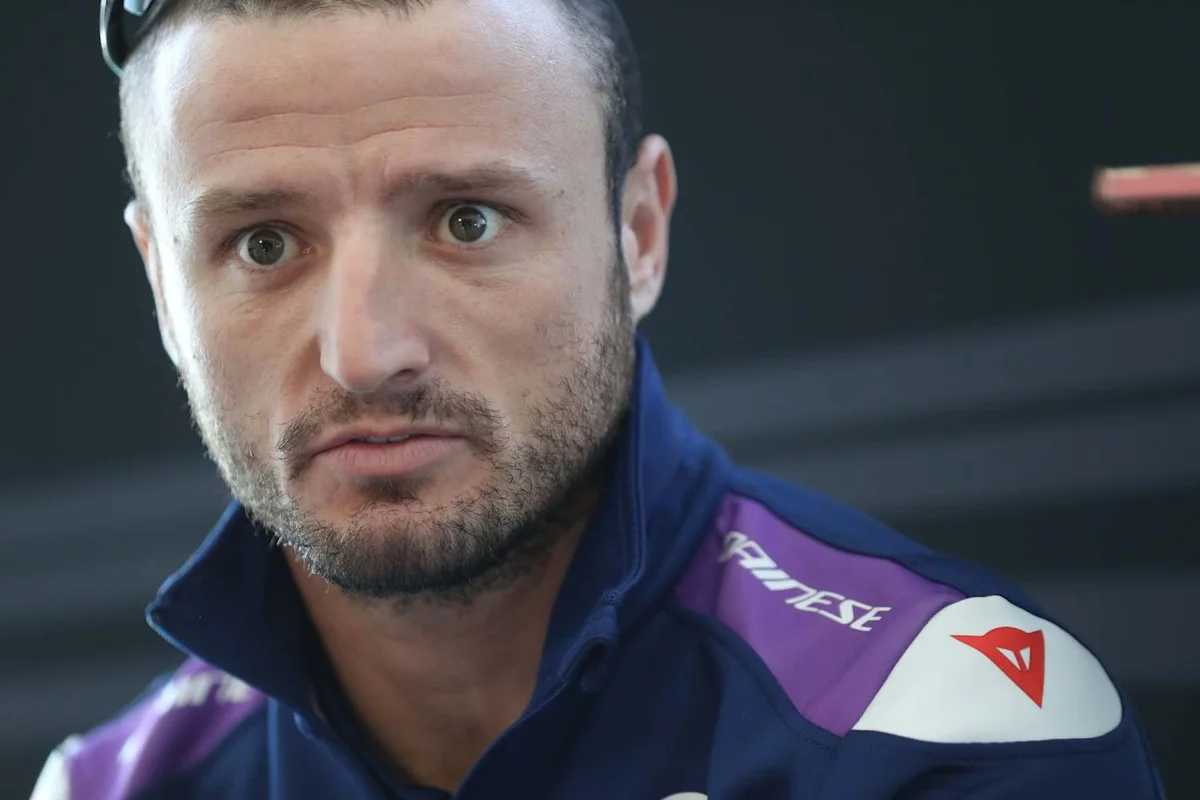
“If you can get it in that working window, it’s phenomenal,”
Miller emphasised.
He cited Yamaha’s varying performance at circuits with lower grip or when competitors are unable to exploit the soft rear tyre, suggesting that Yamaha’s traditional strengths aligned with these scenarios. Conversely, he observed that other teams saw dramatic swings in form depending largely on how effectively they could harness the tyre’s potential.
Tyre Limitations Shift Competitive Dynamics for Teams
Not all manufacturers benefit equally from Michelin’s soft rear solutions. Miller described how failing to use the soft tyre effectively can significantly compromise a bike’s ability to decelerate and control corner entry:
“When you don’t use the soft, you almost feel like somebody’s letting the brakes off on you. Because you’re not able to use that rear end to stop the bike as much.”
– Jack Miller, Pramac MotoGP Rider
This effect places added pressure on teams to develop machinery that can maximize the new tyre’s attributes. Yamaha’s move to a V4 engine is seen as a strategic response, aiming to regain competitiveness against teams with a longer history of racing with this configuration.
Yamaha Faces Steep Challenge in V4 Transition
Switching engine architectures is a significant technical endeavor. Yamaha now confronts the challenge of matching performance levels of rivals with far more experience developing V4 engines. Miller, however, voiced confidence in the Iwata manufacturer’s commitment to this ambitious shift:
“Absolutely. And I mean, they’ve gone all-in on this new project,”
he said.
Looking forward, Yamaha and all MotoGP manufacturers must adapt not only for 2026 but also for new technical regulations coming in 2027, which will require the development of an 850cc machine with Pirelli tyres. Miller recognized Yamaha’s proactive stance, noting the effort and preparation being invested:
“Obviously, the bikes are changing in 2027… but they had to do something. This is [Yamaha] proactively doing something to stay competitive,”
Miller said of the V4 move.
He added that continuous learning and data collection will be central to their efforts, reflecting the demanding pace of MotoGP technical development.
“But that’s the way it goes in this game. It’s all a learning process for what’s to come in the not-so-distant future.”
– Jack Miller, Pramac MotoGP Rider
Outlook as MotoGP Enters a Period of Rapid Change
The transition to a V4 engine for Yamaha underscores the evolving demands of MotoGP, especially as tyre and technical regulations shift. With Alex Rins and Suzuki’s 2022 Valencia win now marking the last Inline-victory in the sport, focus moves to the start of a new era, beginning with 2026 pre-season tests at Sepang Shakedown. As teams push to interpret and master these changes, Jack Miller’s MotoGP tyre insights will remain central to understanding the strategies shaping the next generation of MotoGP competition.
