
In early 2025, Jimmie Johnson took a significant step in his career by becoming the majority owner of Legacy Motor Club, a decision backed by Knighthead Capital Management. This move marked a sharp transition from his celebrated days behind the wheel to taking full ownership responsibilities within NASCAR, aiming to expand the team’s presence from two full-time entries to three. Johnson’s legacy ownership now places him at the center of complex operational and financial challenges, highlighting a new chapter in his involvement with the sport.
Legacy Motor Club is located in Daytona Beach, Florida, home to the iconic Daytona International Speedway, where Johnson made many memorable appearances as a driver. His growing role with the team reflects both his ambition and the harsh realities of managing a competitive operation in modern NASCAR.
The Immense Pressure and Financial Strain of Ownership
Ownership has introduced Johnson to a level of pressure and responsibility far removed from racing. He openly described his mindset as dominated by “fear,” especially around the financial risks inherent in his plans to acquire a third charter for the team. This pursuit comes with significant costs, with charter values estimated around $45 million, and ongoing litigation further complicating the situation.
Legacy Motor Club is currently engaged in a legal dispute against Rick Ware Racing involving a charter purchase agreement. The club alleges that Ware’s sale of a charter to another party, despite prior agreements, constitutes tortious interference, amplifying tensions and financial strain. This lawsuit underscores the complex legal and business environment surrounding NASCAR’s team ownership.
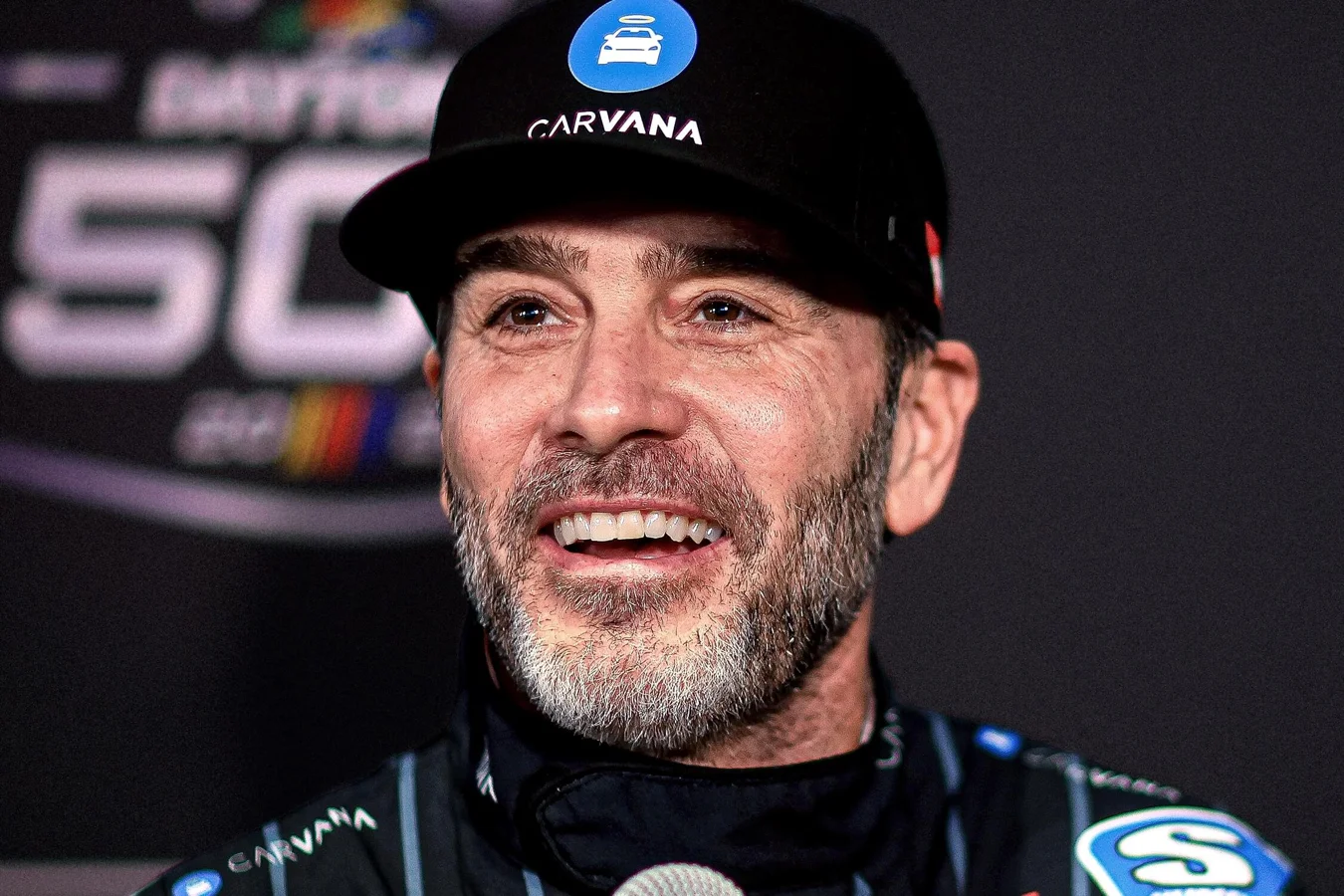
Jimmie Johnson acknowledged the heavy demands ownership imposes, saying,
“Right now, it’s fear. Fear of survival. This isn’t cheap. Today’s racing has more of a business plan than ever, but we’re eager to buy a third charter.”
Johnson’s comments reveal the anxiety tied to sustaining and growing the team amid fierce competition and financial demands.
He further explained how this pressure pushes him daily:
“That’s going to put debt on the business. That fear is a motivator to bring my best work every day.”
Transitioning from the clear-cut stakes of a driver to the multifaceted risks of ownership means every decision Johnson now makes has profound consequences across the entire organization.
From Driver Discipline to Business Challenges
Johnson’s experience as a driver was shaped by figures like crew chief Chad Knaus, who enforced rigour and focus during his championship runs. However, stepping into an ownership role required a steep learning curve in business matters. Johnson admitted,
“I don’t know what half the acronyms mean when I sit in a meeting,”
underscoring the complexity of managing everything from human resources and sponsorships to team strategy.
This immersion in business has meant a daily reckoning with accountability and operational excellence, areas where mistakes can carry heavy repercussions. Johnson approaches this with drive and determination, understanding the sport demands excellence both on and off the track. His firsthand knowledge as a driver provides a foundation for fostering a strong team culture focused on communication and shared goals.
Jimmie Johnson’s Changing Relationship with Racing
While ownership dominates much of Johnson’s current focus, he continues to participate part-time as a driver, but with a changed perspective. Having won seven Cup Series championships, his competitive nature remains, but enjoyment and team support now outweigh the relentless pursuit of victory.
Johnson described his current mindset plainly:
“It’s really about having fun now.”
This shift reflects a more balanced approach to racing after years of intense competition.
The introduction of NASCAR’s Next Gen car has also influenced Johnson’s reduced part-time schedule. He acknowledged the challenges such technology poses for drivers who do not race full-time. Commenting on his chances, he said,
“The more time I spend around the Cup Series with this generation of car, the more I realize my chances of having a real shot to win. Unless it’s at Daytona or Talladega, (chances) are slim.”
This candid insight sheds light on the difficulties faced by drivers balancing limited racing time with fierce competition.
Continued Commitment to Select Races and Team Growth
Despite the hurdles, Johnson remains dedicated to racing in key events, including the upcoming Daytona 500 and the Coca-Cola 600. His third-place finish in the 2025 Daytona 500 demonstrated that his skill and passion on the track persist even as his focus broadens.
These appearances benefit both Johnson and the Legacy Motor Club by maintaining his visibility and connection to the sport. His involvement offers personal fulfillment and supports the team’s ongoing development, providing them with experience and leadership during competitive events.
What Lies Ahead for Jimmie Johnson and Legacy Motor Club
Looking forward, Johnson’s role will continue to balance ownership responsibilities with selective driving engagements. The challenges ahead involve navigating financial pressures, resolving ongoing legal disputes, and successfully expanding the team’s operations.
Johnson’s journey exemplifies a transition from a driven athlete to a determined business leader, bearing the weight of survival and growth on his shoulders. His candid admissions of fear and accountability reveal the exacting nature of NASCAR ownership today. Through his perseverance and evolving role, Johnson remains a pivotal figure in the sport, committed to solidifying the Legacy Motor Club’s future presence on the NASCAR circuit.
The GOAT @JimmieJohnson turns 50 today. In this Q&A, he reflects on the milestone birthday and shares his outlook on being a team owner and what keeps him motivated.https://t.co/bHxL4A6nNu
— Jeff Gluck (@jeff_gluck) September 17, 2025
