
Jimmie Johnson NASCAR charter dispute escalated in June 2025 as tensions flared between Legacy Motor Club, co-owned by Jimmie Johnson, and Rick Ware Racing (RWR) following a legal ruling in Texas. The dispute centers around the ownership and leasing rights of RWR’s second NASCAR charter, with Legacy Motor Club claiming prior rights to the charter while a judge upheld its existing lease to RFK Racing for the 2026 season. This confrontation unfolds amid a significant ownership transition at Rick Ware Racing, where new co-owner T.J. Puchyr aims to expand the team’s presence in the NASCAR Cup Series.
T.J. Puchyr’s Leadership and RWR’s Future Ambitions
T.J. Puchyr, who recently reached an agreement to acquire Rick Ware Racing, is determined to grow the team into a strong competitor within the next few years. The acquisition retains Rick Ware as a partner and keeps driver Cody Ware in the #51 Ford vehicle, alongside the existing employee base. Puchyr, known for revitalizing the NASCAR charter market through his previous purchase of a dormant charter from Furniture Row Racing in 2018, plans to transform RWR into a three-car Cup Series organization by 2027 with a focus on competitiveness and team value enhancement.
Legal Dispute Over Charter Ownership Intensifies
The controversy emerged after Legacy Motor Club claimed to hold an agreement granting them rights to purchase RWR’s second charter. However, the lease of this charter to RFK Racing for the 2026 season was confirmed by a judicial ruling, which dismissed Legacy’s claim. This decision has prevented Legacy from leasing or buying the charter for that year. In response, Rick Ware Racing has filed a countersuit against Legacy Motor Club, further complicating the dispute. Puchyr criticized Legacy’s decision to pursue legal action instead of seeking direct negotiations.
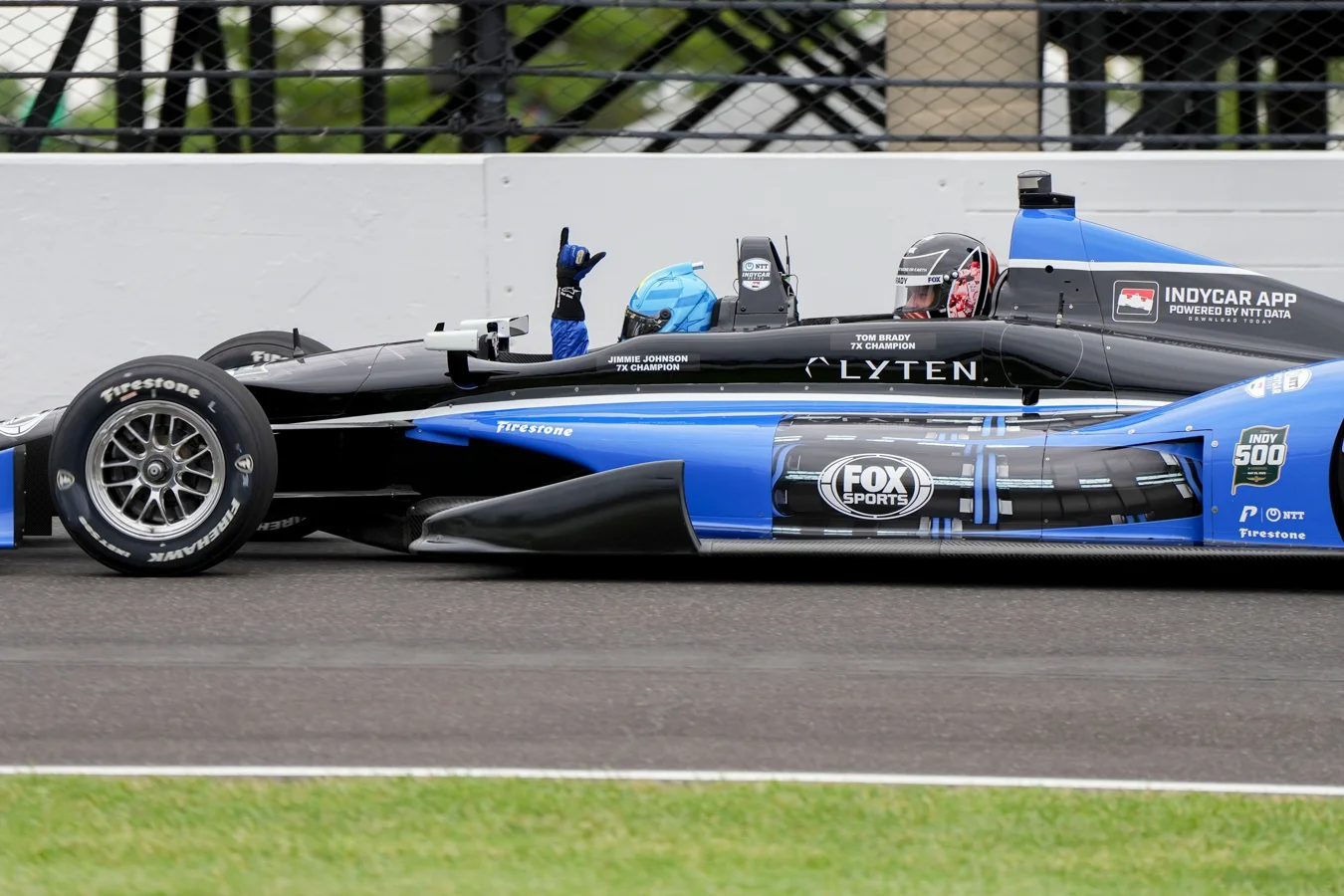
“If anybody deserves a pass it is Jimmie and if he wants to sit down and talk about it like men, I’d entertain the conversation,” —T.J. Puchyr, Co-owner of Rick Ware Racing
“I don’t think Jimmie has all the facts, doesn’t understand the deal we had, and they tried to humiliate Rick publicly. We don’t do business that way.” —T.J. Puchyr, Co-owner of Rick Ware Racing
Background on NASCAR Charter System and Market Dynamics
The NASCAR charter system grants teams guaranteed entry into races, making the ownership and leasing of charters highly valuable and often contentious. T.J. Puchyr is credited with helping sustain and reactivate this market by acquiring unused or dormant charters and putting them into active competition. The disagreement over RWR’s second charter highlights the complexities of contract interpretation and the high stakes involved in charter transactions, which are critical to team operations and sponsorships in NASCAR’s Cup Series.
Implications for Jimmie Johnson and the NASCAR Community
This legal and business battle places Jimmie Johnson and Legacy Motor Club under significant pressure, raising questions about negotiation tactics and the handling of charter agreements within NASCAR. The dispute reflects the fierce competition behind the scenes as teams jockey for advantageous positions in the sport’s evolving landscape. With RWR focusing on long-term growth and confirmed charter rights, the outcome has the potential to influence charter management strategies and ownership disputes in NASCAR moving forward.
Looking Ahead: Growth Goals and Potential Resolutions
Despite ongoing legal challenges, the new leadership at Rick Ware Racing under Puchyr is intent on expanding their competitive edge and increasing the value of their charters. The organization’s objectives include building a capable three-car Cup Series team by 2027 that can contend for race wins consistently. Meanwhile, the resolution of the lawsuit and charter dispute will likely set precedents for how similar conflicts are handled in the sport, emphasizing the importance of clear contracts and cooperative negotiation among NASCAR teams.
