
Joey Logano has publicly called for NASCAR to implement a substantial increase in horsepower to restore more control and excitement for drivers. As dissatisfaction grows among drivers and fans alike regarding the current Next Gen Car, which, despite its new manufacturing approach and streamlined design, does not deliver the power many want, Logano stresses the need for a major change.
NASCAR officials have acknowledged the possibility of increasing horsepower, responding to the widespread demand from top competitors. Logano insists this adjustment cannot be minor but must be a considerable boost to make a real difference on the track.
Drivers Express Frustration Over Power and Control in the Next Gen Car
The Next Gen Car was designed to open manufacturing opportunities and modernize the sport, yet many drivers feel it restricts their ability to influence races with driving skill. Logano, who races for Team Penske in the NASCAR Cup Series, has been vocal about his desire for a horsepower increase that would put more emphasis back on driver performance rather than high-tech setups or minimal speed differentials.
I don’t think it’s going to be game changing, but I do think it’s the right way. … If we’re adding back to 950 hp, I’m going to answer different. If we’re talking about adding 60-70 hp… ehh,
Logano said.
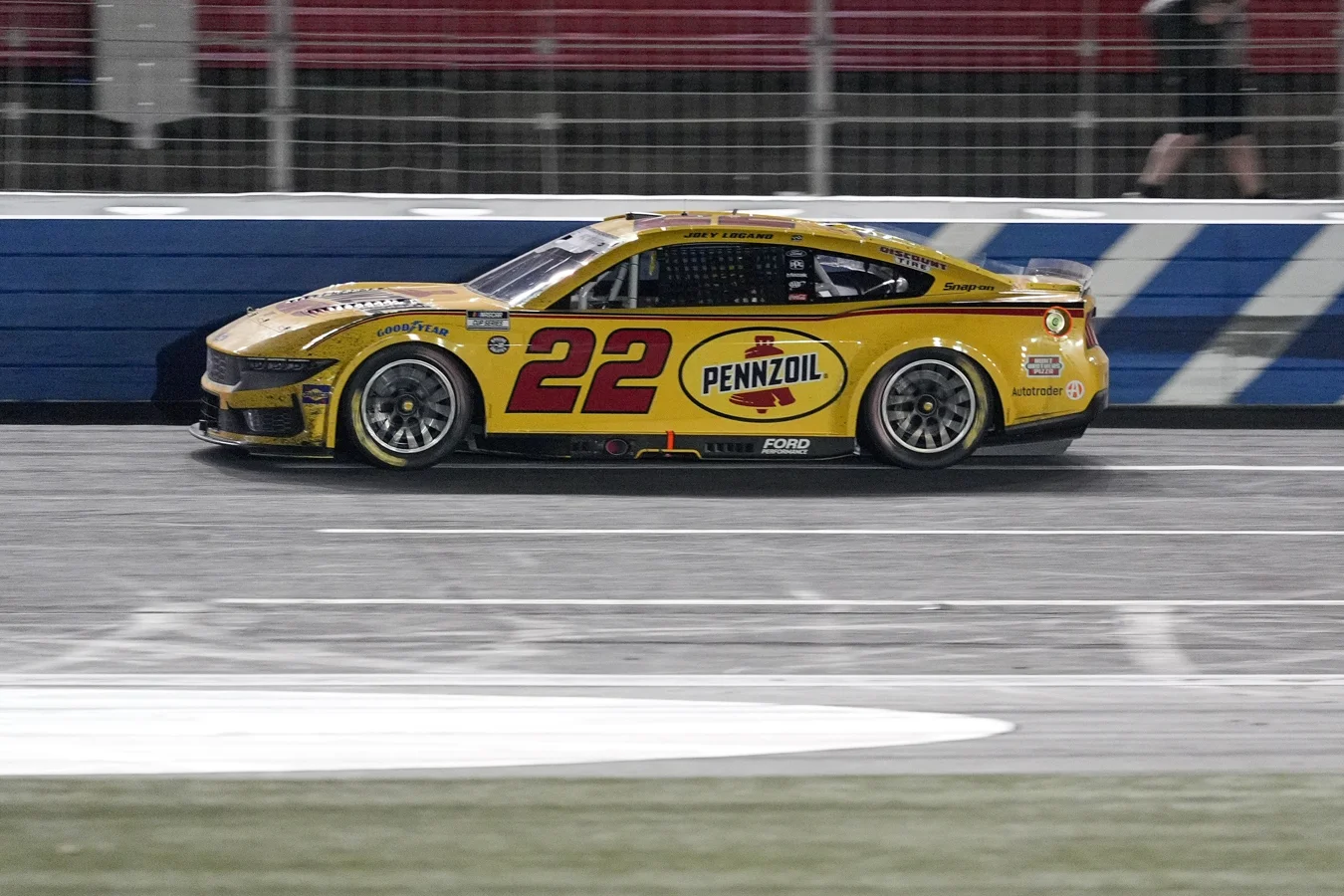
His comments reflect a belief that only a large horsepower increase would change the competitive dynamics effectively. A small increment, by contrast, would not sufficiently revive the old-school racing style many long for.
Bubba Wallace Supports Major Power Increase to Revive Driver Skill
Bubba Wallace, another leading NASCAR driver, shares Logano’s views and argues that restoring horsepower would return more control to drivers, making racing more authentic and exciting. Wallace points out how the current car’s features, like shifting mechanics, limit passing opportunities and close the gap between teams too much, which can reduce on-track drama.
I think that would, you know, put it back in the driver’s hands a lot,
Wallace said.
That’s what we want. These cars are so close now. Some of these tracks that we go to, the shifting, you know, just deletes the option of passing. … It’s why teams are getting so much more competitive. Then the gap is decreasing, you know? I think horsepower brings you back to the old school feel. Just puts it back in the drivers’ hands. That’s what we want.
Wallace argues that the current 670 horsepower is insufficient and cautions against small, incremental increases, calling them akin to “sticking a Band-Aid on something.”
I mean, we’re 670 now, right?
he asked.
I think if you go in small increments, it’s just like sticking a Band-Aid on something. I’m not asking for [900] but 750 at least, or higher, just to see if it’s as easy and somewhat cost-efficient as they’re saying, and I think I’m reading the comments right, then why not?
Calls for Testing Larger Horsepower Boosts at Upcoming Races
Wallace further suggested that instead of prolonged tests, NASCAR should simply implement a horsepower boost at the next short track event to gauge the impact directly. He believes this real-world trial would show whether the changes enhance racing quality or produce other unforeseen issues.
Have a test, no, not even a test. Why don’t we all just show up somewhere, wherever our next short track is, and give it more horsepower? If it’s a shitshow, then go from there. But you’re going to get a 720 package, and one driver is going to be like, ‘Oh, I thought it was pretty good! We’re done! Good job!’ No, that’s not the case. So, we need big moves here. What are we scared of?
These strong views from Wallce and Logano highlight growing impatience among drivers eager for NASCAR to take bold steps that could make races more thrilling by emphasizing driver skill over technology and team strategies.
Implications for NASCAR’s Future and Fan Experience
The push for a significant horsepower increase reflects broader concerns about maintaining NASCAR’s competitive integrity and fan engagement amid evolving car designs. If NASCAR responds decisively by boosting horsepower to around 750 or more, it could revitalize the racing experience, attracting more fans and satisfying drivers seeking greater control.
NASCAR’s willingness to test higher horsepower packages at upcoming short-track events will be crucial to determining whether such a change is feasible and beneficial. The sport stands at a crossroads where adapting the Next Gen Car could define the future balance between innovation and traditional racing excitement.
Logano and Wallace’s demands underscore a critical debate about NASCAR’s direction and the importance of preserving the driver’s role in producing on-track drama and competitive racing.
