
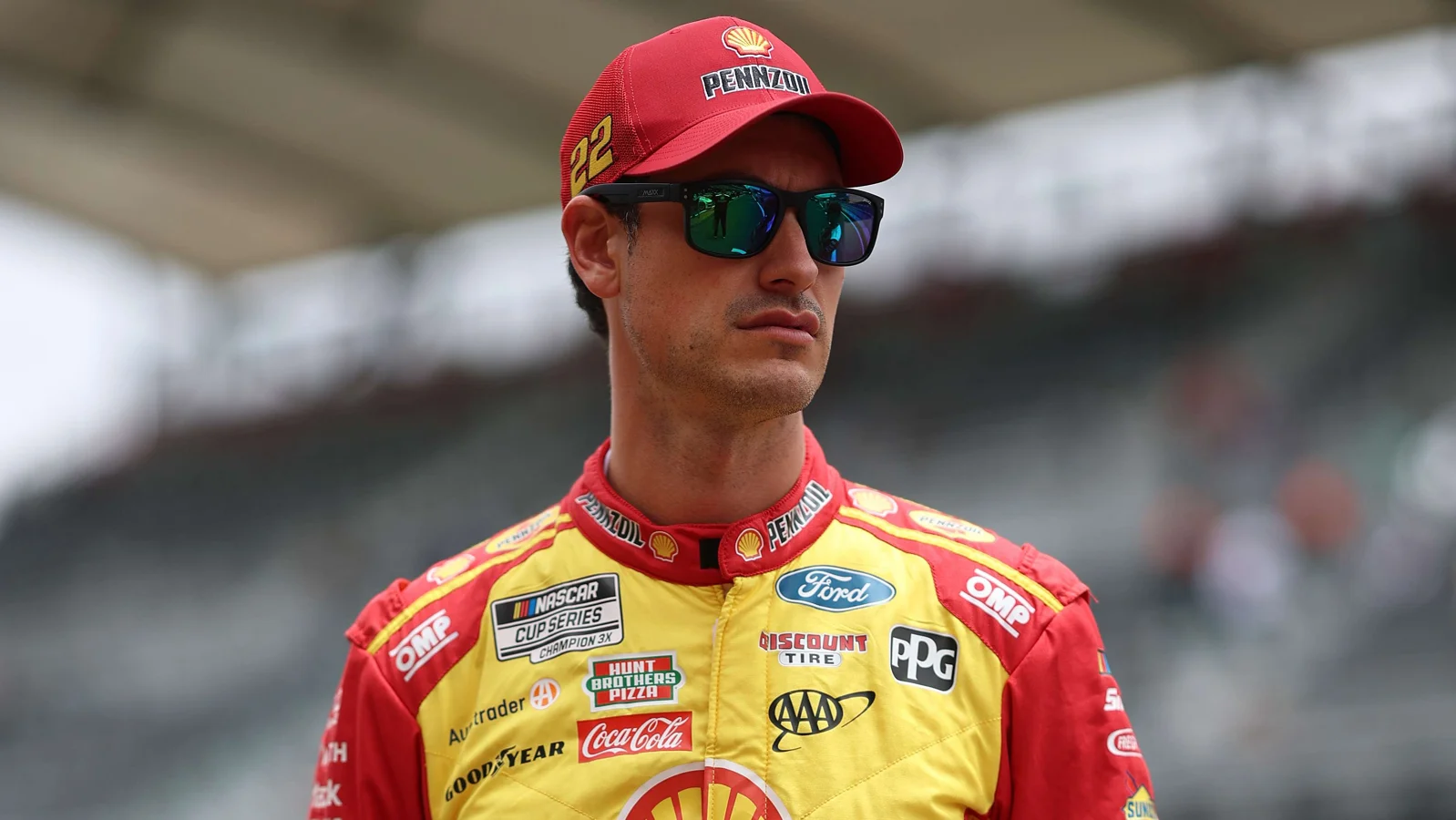
Tom Brady continues to impress fans and athletes alike with his remarkable fitness, even after retiring from professional football. Recently, Brady shared an image on Instagram showcasing his workout routine as part of a campaign for No Bull Project, revealing his exceptional physique at nearly 50 years old. This display of discipline left many amazed, including three-time NASCAR Cup Series Champion Joey Logano, who credits Brady’s commitment to fitness as a source of inspiration for his own pursuit of a fourth championship this year.
At 35, Logano admires the way Brady maintains his physical condition despite having the freedom to relax after an illustrious NFL career. Brady’s toned body and enduring stamina have reshaped the expectations around athletic longevity, and Logano recognizes this as a shift in how sports professionals approach long-term performance.
When you step back and look, it’s probably easy to look the most at someone like Tom Brady because he has done it for so long at such a high level, and the sport obviously changed over time, and his body changed a lot too. You cannot do the same things you’re able to do when you’re 25 or 30, when you’re 40-plus. So you’ve got to find your new way to stay on top for that long. I don’t see how that cannot catch your attention.
Logano said during his recent appearance on ESPN’s First Take.
Comparing Brady’s Athletic Prime to His Age-Defying Form Today
Brady’s transformation is striking when contrasting his infamous NFL Combine photo from his younger days with his current, near-perfect shape at age 47. The stark difference highlights how he has effectively reversed the aging process through focused discipline, earning unanimous admiration from fans. While some cosmetic enhancements may have contributed to his appearance, Brady’s rigorous training and lifestyle choices remain the primary drivers behind his physical condition.
The Foundation of Brady’s Fitness: Discipline and Lifestyle Choices
Tom Brady’s fitness regimen extends beyond exercise to include strict dietary habits and sleep routines. He carefully avoids non-organic and non-grass-fed dairy, sugar, alcohol, caffeine, and refined carbs, opting instead for clean, nutrient-dense foods in small portions that provide sustained energy. His diet emphasizes plant-based options such as fruits, vegetables, legumes, nuts, and seeds.
Brady also prioritizes rest, ensuring he sleeps by 9 p.m. and wakes early at 5:30 a.m., a routine that supports recovery and peak performance. This holistic approach, often referred to as the TB12 method, promotes consistent health and stamina even as the body ages, demonstrating a new model for maintaining athletic excellence.
Joey Logano Adapting His Training as He Ages
Inspired by Brady’s longevity, Logano recognizes the importance of adjusting fitness strategies over time. As athletes move into their 30s and beyond, their focus shifts from sheer volume to efficient training that maximizes results while minimizing injury risk. Rather than relying on long, punishing gym sessions, Logano and others seek targeted workouts that sustain high-level performance without burnout.
Logano’s own career parallels Brady’s in terms of defying age norms, competing alongside peers who are also older yet remain highly competitive. Drivers like Brad Keselowski (41), Michael McDowell (40), AJ Allmendinger (43), and Denny Hamlin (44) prove that age no longer dictates competitive viability in NASCAR, reinforcing the mindset that strategic discipline can prolong athletic success.
Broader Influence of Brady’s Fitness on Other Athletes
Tom Brady’s dedication to health and fitness has reverberated beyond football, influencing younger players in the NFL and across sports. For example, Caleb Williams has adopted a similar diet and wellness regimen, highlighting how Brady’s practices are gradually becoming a standard for longevity in athletic careers. This cultural shift underscores the growing recognition that sustainable health habits are essential for extending peak performance.
With Logan drawing inspiration from Brady, he is poised to apply these insights in his quest for another NASCAR title, embracing an evolved approach to athletic preparation that acknowledges changing physical needs over time.
Significance of Brady’s Fitness Legacy for Future Competitors
Tom Brady’s ability to play at an elite level until age 45 sets a precedent that challenges traditional limitations associated with athlete aging. His example encourages competitors like Joey Logano to rethink long-term training strategies and emphasizes the importance of adaptability, nutrition, and recovery.
This influence is critical in sports where physical demands are high and careers traditionally shorten with age. Brady’s example offers a new blueprint that athletes today are motivated to follow, potentially reshaping how future generations maintain competitiveness well into what was once considered the twilight years of their sporting lives.
