
Joey Logano, a three-time NASCAR champion, has long been a divisive figure within the sport, dividing opinions among fellow drivers, teams, and fans alike. Speaking alongside former NASCAR driver Carl Edwards on Prime Video’s pre-race broadcast, Logano shed light on the complexity behind the “misunderstood NASCAR rivalry conversation” involving himself and Edwards, revealing how their fierce competitiveness on the track contrasts sharply with their off-track personalities.
Relating to Carl Edwards’ Dual Nature on the Track
Carl Edwards was widely known for his aggressive driving style that unsettled competitors, earning him a reputation as a “two-faced” racer—someone whose demeanor on the track was starkly different from his behavior off it. Similarly, Logano admitted that he shares this Jekyll-and-Hyde trait. While he may come across as approachable and friendly outside the race environment, on the track he transforms into a relentless opponent, a fact that unsettles many of his competitors.
I feel like we can relate a lot to that. Because I feel like when you were racing, everyone looked at Carl as fake, ‘He’s not authentic, he’s not real,’ right? You went through the same thing. Because you were really nice off the race track, and then you were a pretty fierce competitor. You didn’t want to see Carl in your mirror, you’re like, ‘Oh, here we go.’ Like, it wasn’t an easy car to pass and not supposed to be, right? I thought we were racing.
—Joey Logano
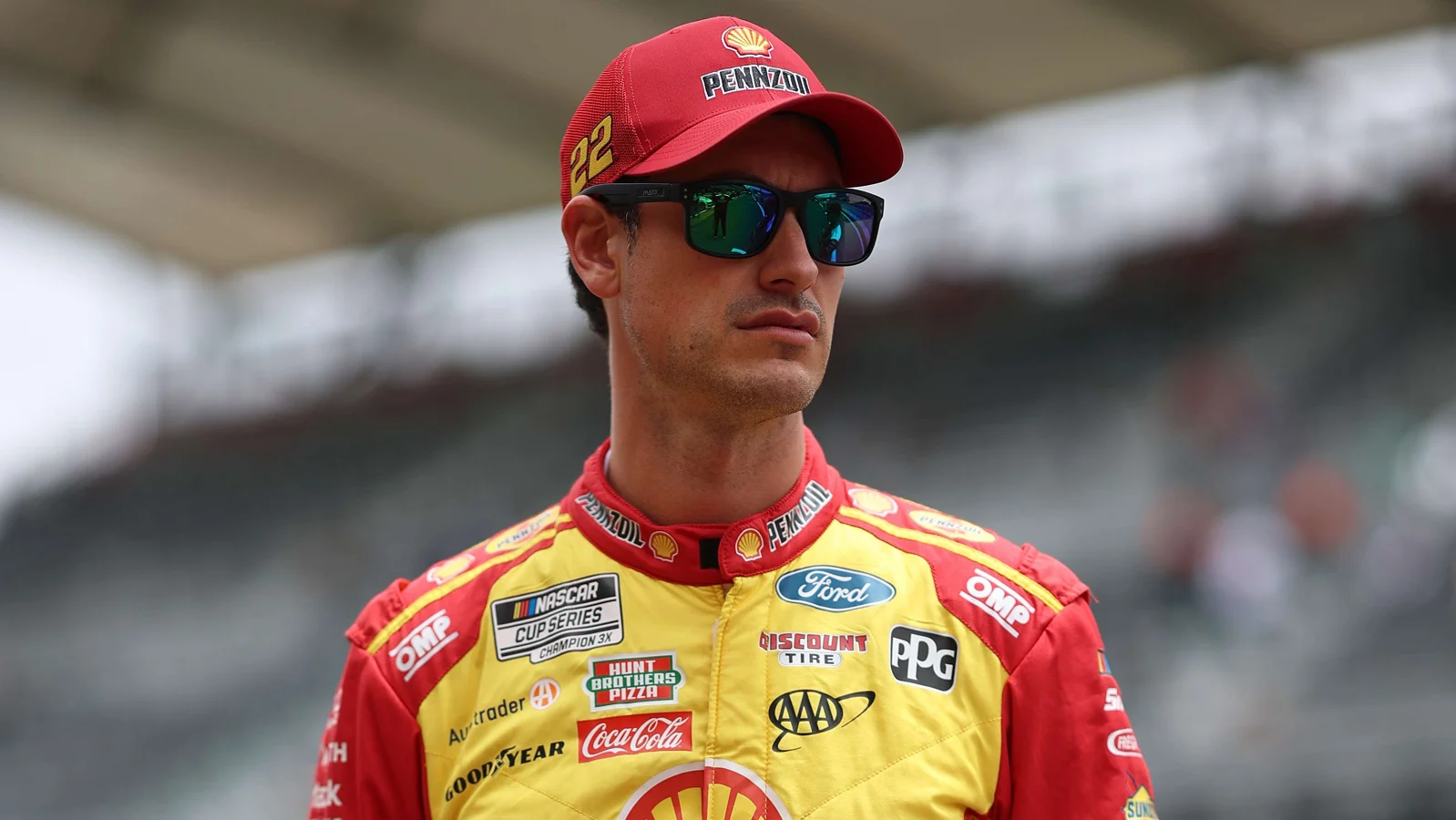
The Balance Between Personality and Competitiveness
Logano elaborated on the challenge of managing such contrasting personas, emphasizing the necessity to find a balance between being tough during the competition and maintaining a decent off-track character. He acknowledged that remaining consistently aggressive every moment, regardless of the environment, would alienate people and damage his reputation beyond repair.
It makes sense to be that way, it’s just hard for people to understand that, I think, right? Not just fans to understand, I think it’s hard for competitors to understand, there can be a switch that you turn on and off. And it’s really healthy to have that because if not, if you were the type of person you were on track, off the track, you’d be a real jerk. You know what I mean? It’s not good. So, you’ve gotta find that balance, that balance is really important for me to be able to do that. Yeah, the expectation is always to go out there and win, right? Your competitors are very competitive people within this garage area, it’s what you want to do.
—Joey Logano
Current Season Performance and Ongoing Challenges
Logano’s 2024 season began with inconsistency, struggling to maintain top finishes, but his win at Texas has sparked an upswing as he remains within the top 10 in points standings. Despite continuing criticism and polarization among fans and peers, Logano remains undeterred, focusing on his strengths: provoking tough competition while producing victories and championship-caliber performances.
His persistence and record of three championships speak to his proven skill, demonstrating that regardless of the playoff or points systems in place, Logano competes at an elite level that few can match. The polarized views about him seem unlikely to fully soften, yet his racing results continue to command respect in the NASCAR community.
Why This Rivalry and Persona Matter to NASCAR’s Future
The candid insights Logano revealed alongside Edwards help explain why such rivalries drive the sport’s drama and excitement. Their dynamic—as fierce track adversaries yet approachable individuals beyond racing—adds layers to the storytelling that fans and competitors engage with intensely. Understanding this contrast clarifies why NASCAR rivalries often endure misunderstandings yet fuel passion among all involved. As the season unfolds, how Logano balances his on-track intensity with off-track respect could influence both his legacy and NASCAR’s broader culture going forward.
