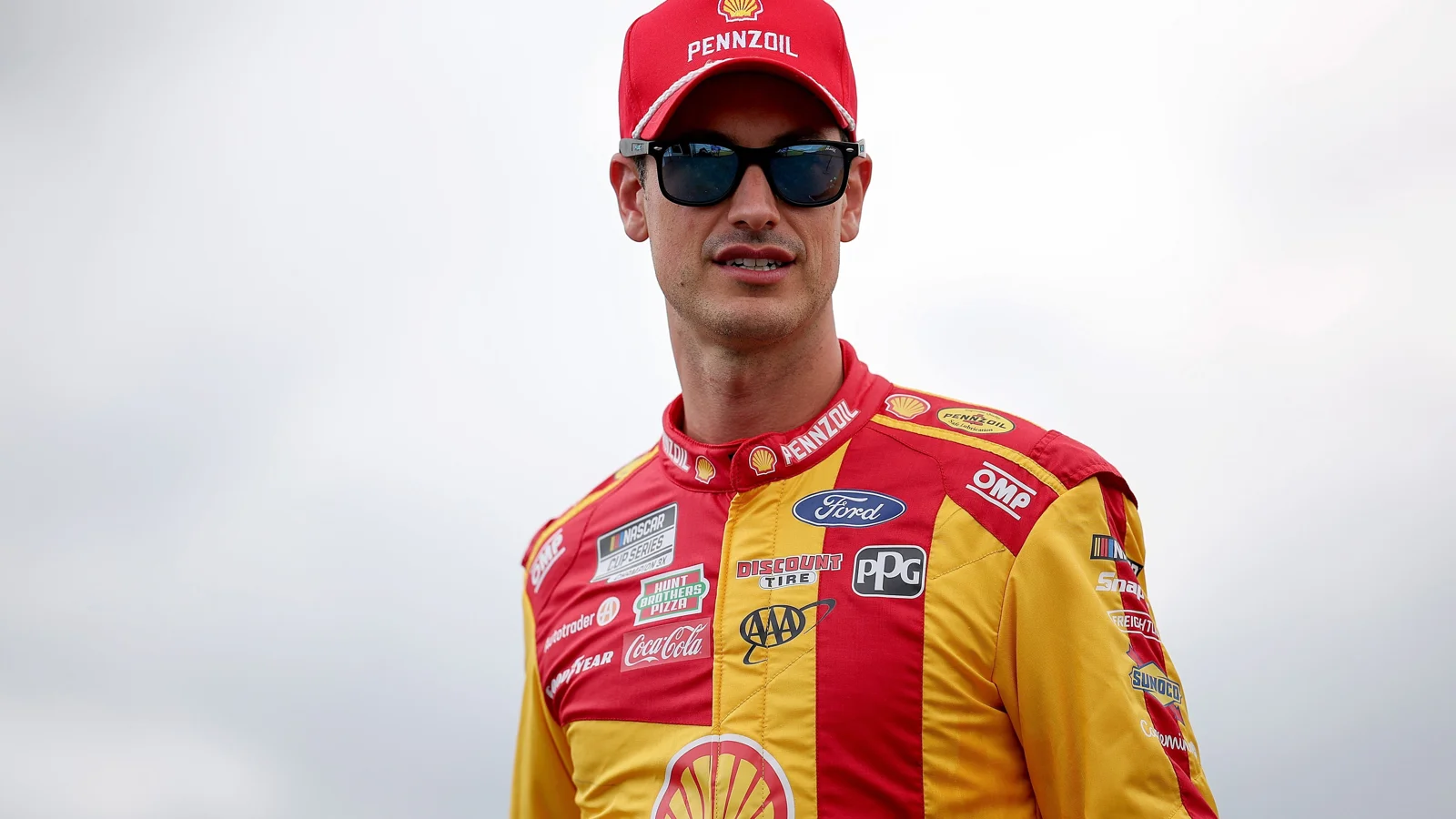
Joey Logano has openly criticized NASCAR’s restricted practice sessions, expressing concerns over how limited track time hampers drivers’ ability to prepare adequately ahead of races. As preparations begin for the upcoming Viva Mexico 250, Logano and other drivers face significant challenges in adjusting to the demanding new circuit with insufficient practice opportunities.
Evolution of NASCAR Practice Sessions and Their Impact on Drivers
NASCAR has seen major transformations in recent years, including changes in racing style, vehicle design, and data usage to improve race strategies. However, one of the most contentious issues among drivers is the severe reduction in practice time. Since 2020, practice sessions have been drastically cut from the traditional 50-minute durations to much shorter runs, with further reductions during the pandemic when practice and qualifying were suspended entirely. This shift has left teams and drivers scrambling to adapt to limited preparation time.
In 2022, practice sessions were further shortened to just 20 minutes to manage rising costs and accommodate a streamlined TV broadcast schedule. While some exceptions have been made for street and newly introduced tracks, the limited practice time remains a source of frustration for many competitors, including Logano.
RFK Racing co-owner and driver Brad Keselowski remarked on the value of having practice time, stating,
Image of: Joey Logano
“There is a value to having some practice,”
illustrating the shared sentiment among drivers on the importance of on-track preparation.
For the upcoming Viva Mexico 250, NASCAR has allotted 75 minutes of combined practice, a significant increase compared to recent seasons but still viewed as inadequate by Logano. He detailed his struggles with this limited opportunity on SiriusXM NASCAR Radio:
“It’s funny how we’ve changed so much and gotten so used to the lack of practice. That when we get 75 minutes in total, we’re like ‘Whoa! Look at all the time we got!’ On a big road course, you’re getting three runs probably, getting two runs in the first practice, and really only have one in the second practice. You don’t have much time to come back in and change anything, and you got to learn the race track as a driver. So not only you want to adjust the car, but you got to figure out, ‘Where do I hit the brakes? How hard can I go? where’s the tire fall-off going? Where’s the little tricks to the corners that I can cut a little speed here and there? There’s just a lot to try to take in, in a short amount of time, to try to figure all this stuff out,”
he explained.
Challenges Presented by the New Viva Mexico 250 Circuit
The Viva Mexico 250 presents an especially tough obstacle given its 14-turn, 242.9-mile layout, which surpasses the typical length of an F1 race by 29 laps. The race is segmented into three stages, adding another layer of strategic complexity. For many drivers aside from veterans like Kyle Busch and Daniel Suarez, navigating this novel, challenging track will be a first-time experience.
Consequently, even with the extended 75-minute practice window, drivers remain at a disadvantage in fully understanding the circuit’s nuances and optimizing their car setups. Logano’s concerns highlight the gap between available track time and the demands of mastering a difficult road course, where understanding braking points, tire degradation, and cornering intricacies is crucial.
NASCAR’s Enforcement of Track Limits at Viva Mexico 250
Adding to the challenge, NASCAR has announced the enforcement of strict track limits throughout the event. Drivers are required to keep all four tires within the red and white rumble strips around the track. To ensure adherence, NASCAR has installed cameras and physical barriers at strategic points. Drivers met such barriers before this season at COTA, though they drew criticism from racers and were eventually removed.
Penalties for exceeding track limits could be severe: a stop-and-go penalty during the race, or after-race penalties involving time added to finishing positions. Last year’s Cup race witnessed a similar situation when SVG was demoted to 20th place despite crossing the line second due to rule violations. This strict policing is intended to maintain fair racing but introduces uncertainty about driver strategies.
Chase Elliott voiced his perspective on the forthcoming challenges during a press conference, sharing his approach:
“I think everyone’s going to be super aggressive with every advantage that you can take and probably stepping over that line. And if you get caught, you’ll get caught and you’ll learn what you can do and can’t. So my intention is to go and push the limits as far as I can push them. I’ll probably step over them at different points in time. And I want to be sure, what’s going to be called and what wasn’t,”
Elliott said, revealing the tension between aggression and caution drivers must balance.
Uncertainties Ahead of the Race Weekend
With new track parameters, limited practice time, and strict enforcement of track boundaries, drivers face a complex and pressure-filled environment for the Viva Mexico 250. The blend of insufficient preparation and tight rule enforcement may shape different race day tactics, influencing the overall outcome significantly.
As drivers like Joey Logano vocalize their frustrations with NASCAR’s current format of limited practice sessions, it remains to be seen whether these constraints will spark changes to race preparations in the future or if drivers must continue adapting to increasingly compressed schedules.