
On a July evening in 1958, NASCAR’s Grand National Series ventured beyond American borders for the Jim Mideon 500 at Toronto’s Exhibition Stadium, marking an early yet rare international appearance. Over 10,000 spectators witnessed Lee Petty’s win and the debut of Richard Petty, a foundational moment in stock car racing history. Nearly seven decades later, NASCAR took a decisive step toward global growth with the 2025 Viva Mexico 250 held at Autódromo Hermanos Rodríguez. This event was more than a nostalgic tribute; it represented a strategic push to expand the sport’s reach internationally. Defending series champion Joey Logano emphasized the importance of this endeavor, recognizing the challenges while underscoring its value for NASCAR’s future.
Joey Logano Highlights Significance and Challenges of NASCAR Mexico Event
Joey Logano, a prominent voice in NASCAR, compared NASCAR’s international expansion to major leagues such as the NFL, NBA, and Major League Baseball, which regularly stage games abroad to broaden their audiences. Speaking on ESPN’s First Take, Logano said,
I think all sports have some kind of national appeal, and you see this in other sports too, as they start to go abroad a little bit and just do a game or two in different countries.
He acknowledged the unique logistical difficulties NASCAR faces because it transports entire cars and equipment overseas, noting,
What I’m saying, logistically, it’s a little harder for us because we’re not just taking the team, we’ve got to take the car and all the parts and the pieces, and it’s just a lot. We were able to accomplish that, and you got to step out of your comfort zone.
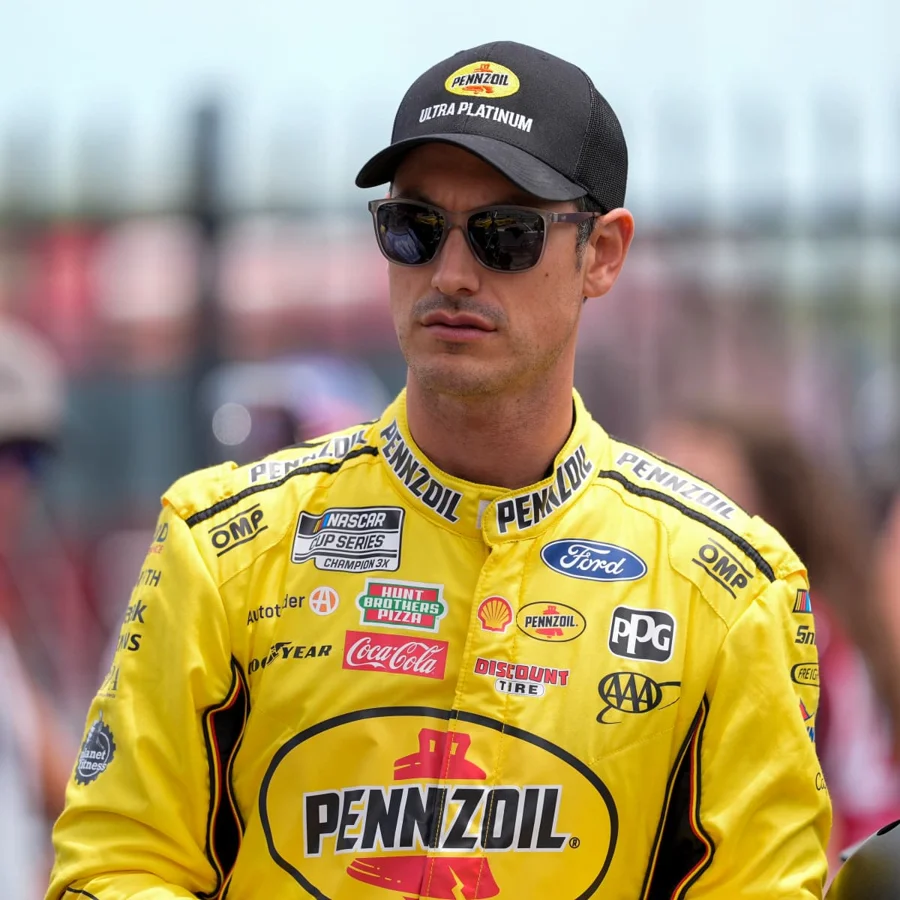
Several teams encountered travel delays when two planes carrying crucial staff were grounded, impacting crew and driver arrivals for at least five teams and forcing schedule adjustments for practice sessions. Despite these setbacks, Logano praised the overall execution, calling the track “great” and the organization “ready” for this new chapter. The vibrant atmosphere at Autódromo Hermanos Rodríguez energized fans and competitors alike, turning the weekend into a celebration of NASCAR’s aspiration to grow internationally.
Passion of Mexican Fans and Strong Performances Highlight Event
The enthusiasm of the Mexican crowd was unmistakable during the Xfinity Series race, where hometown favorite Daniel Suarez earned an emotional win, igniting the stadium. Suarez, a seasoned driver with two decades of experience, remarked that the energy there was unlike anything he had witnessed before. Logano echoed this sentiment, saying in an interview with Sirius XM NASCAR,
These people are passionate. They are die-hard NASCAR fans.
In the Cup Series race, Shane van Gisbergen registered a dominant victory by 16 seconds — the largest winning margin in over ten years. The weekend proved historically significant for NASCAR, reaffirming that Mexico was an astute choice for this international expansion effort. The country’s proximity to the U.S., existing motorsport infrastructure, and enthusiastic fanbase provided an ideal environment to test and refine NASCAR’s global ambitions.
Insights on NASCAR’s Strategy and Future International Plans
NASCAR’s decision to focus on Mexico for its major international event comes after previous experiences with the Xfinity Series in the 2000s, allowing the league to leverage local expertise. This strategic step enables NASCAR to address logistical hurdles and gain operational confidence before considering more distant locations such as Europe or the Middle East. The move reflects a cautious yet bold approach to expanding the sport’s global footprint while maintaining ties to its traditional markets.
San Diego Street Race Proposal Aims to Build on Mexico Success
Following the Mexico City race, NASCAR is looking toward further expansion into urban markets with plans underway for a 2026 street race in downtown San Diego. The proposed event along the Pacific Coast would mark NASCAR’s return to Southern California, replacing the discontinued Auto Club Speedway in Fontana. To accommodate this addition within an already packed 38-race schedule, the Chicago Street Race, set to conclude after 2025, is likely to be removed. NASCAR insiders report high enthusiasm for San Diego, a city that offers a dynamic combination of media presence, tourism appeal, and Southern California culture.
Diversification of Race Venues Sparks Mixed Reactions
While some fans express concern that the shift toward city-based street circuits signals a departure from NASCAR’s traditional oval tracks, others appreciate the diversification. Dale Earnhardt Jr. shared his changing perspective, stating,
I used to not love road course races, you know, I used to not want them added to the schedule, but I’m sort of understanding at this point in my life,
acknowledging that evolving race formats can enrich the sport’s appeal. Should the San Diego race be confirmed, the 2026 NASCAR calendar would reflect a blend of heritage and innovation, as the Mexico City event might be retained while Chicago steps aside.
Balancing Innovation with Tradition in NASCAR’s Global Ambitions
NASCAR’s expansion into markets like Mexico City and potentially San Diego signals determination to grow its fanbase beyond traditional boundaries without alienating loyal followers. The sport faces the challenge of maintaining its core identity while reaching new audiences through international events and urban street races. How this balance plays out will be a critical factor in NASCAR’s trajectory, with next year’s race schedule serving as an early indicator of the league’s commitment to both innovation and tradition.
